This is part of the Salud America! The State of Latinos and Housing, Transportation, and Green Space: A Research Review » Summary
Two forms of intervention could improve the current state of housing instability in Latino communities. First, devoting more resources toward keeping renting families in their homes, and second, increasing the number of affordable housing initiatives with the ultimate goal of increasing the stock of affordable housing in Latino communities.
Keep Renters in Their Homes
Toward the first goal, development of a program that could provide aid to renters who experience drastic, but temporary, loss of income due to job loss, medical emergency, or other unexpected financial burden could prevent many forced displacements. In 2009, Milwaukee tenants facing ...
This is part of the Salud America! The State of Latinos and Housing, Transportation, and Green Space: A Research Review » Summary
Latino communities lack green spaces that are safe, accessible, functional, and culturally relevant.
What Are Green Spaces?
Within urban, suburban, and rural communities, green space can be natural or maintained outdoor public space, such as parks, playgrounds, sporting fields, school yards, day care and early care yards, greenways/trails, tree-lined sidewalks, community gardens, nature conservation areas, forests, as well as less conventional urban “green alleyways,” “pocket parks,” and green walls or roofs [52].
Green Space Inequities Exist
Unfortunately, access to and quality of green space is not equitably distributed. Compared with ...
This is part of the Salud America! The State of Latinos and Housing, Transportation, and Green Space: A Research Review » Summary
U.S. Latinos report specific transportation challenges that arise due to the discrepancy between where Latinos live versus where they work. These challenges include transit fare affordability, reliability, and coverage.
Latinos Use Public Transit Frequently
According to the Pew Research Center, Americans who are lower-income, non-White, immigrants, or under 50 are most likely to use public transportation on a regular basis [39]. Among urban residents, 27% of Latinos use public transit daily or weekly, compared to 14% of non-Latino Whites, and foreign-born urban residents are 20% more likely to regularly use public transportation than native-born urban ...
This is part of the Salud America! The State of Latinos and Housing, Transportation, and Green Space: A Research Review » Summary
An increasing number of Latinos are burdened by high housing costs and can even face possible eviction, displacing them from urban centers near public transport to the fringes of urban areas, where transport, services, and employment are more difficult to access.
Housing Affects Health
Currently at 58.6 million, Latinos account for more U.S. population growth than any other demographic [1]. Public policy has led to decades of disinvestment in low-income communities and communities of color in the United States, which has led to worsened physical and mental health in these communities [16, 17]. Health equity refers to the ability of all individuals to ...
This is part of the Salud America! The State of Latinos and Housing, Transportation, and Green Space: A Research Review » Abstract
Across the United States, Latino communities vary in affordable housing, safe and adequate transit, parks and open green space, and other elements that are necessary to fully thrive and achieve health equity. These differences in opportunity result in health disparities between different zip codes or census tracts—with poor health outcomes more prevalent in communities of color and low-income communities. It is perhaps even more critical to address these underlying social, economic, and environmental factors that contribute to health than to address the health disparities directly if we are to hope for long term changes in community health and ...
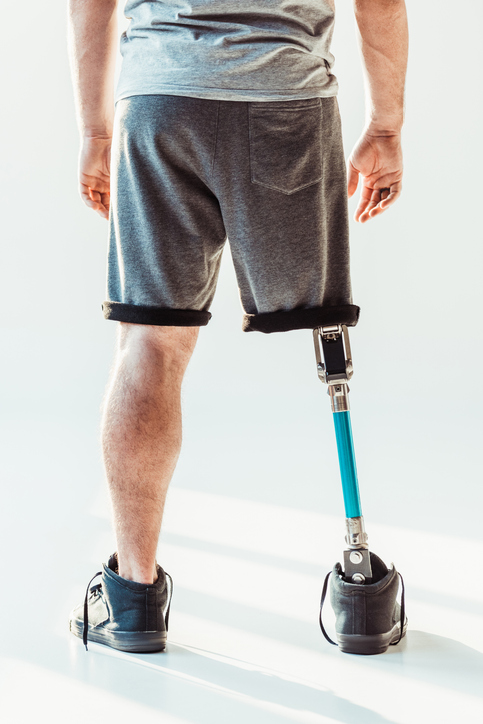
Diabetes development can lead to numerous life-changing complications when the disease spirals out of control, including the amputation of limbs. As the prevalence of the illness continues to rise––30 million Americans are estimated to have diabetes––black and Latino patients are more likely to have an amputation compared to non-Hispanic whites, CNN reports. Diabetic foot complications exact a substantial clinical and economic toll in acute care settings, particularly among the rural and working poor. The Centers for Disease Control reports that in 2014, an estimated 29.1 million adults in the United States, or 9.3% of the adult population, had diabetes. In California (39.1% Latino), minority groups were more than twice as likely as whites to undergo amputations, ...
Colorado (21.5% Latino) students have faced high rates of disciplinary action for years. In 2018, nearly 6,000 preschool through second grade students were suspended or expelled from schools in that state. That’s why state leaders are pushing to make stricter standards for expelling and suspending young students.
Harsh Discipline is Troubling
Ineffective school discipline policies disrupt learning and harm a child’s future, according to EdSource. This kind of correction can also possibly trigger traumatic stress, reinforce unconscious biases, and hinder opportunities to address the causes of challenging behavior. Young students behave in challenging ways. The classroom setting and school schedules can prompt defiant behaviors. Colorado state legislators realize the ...
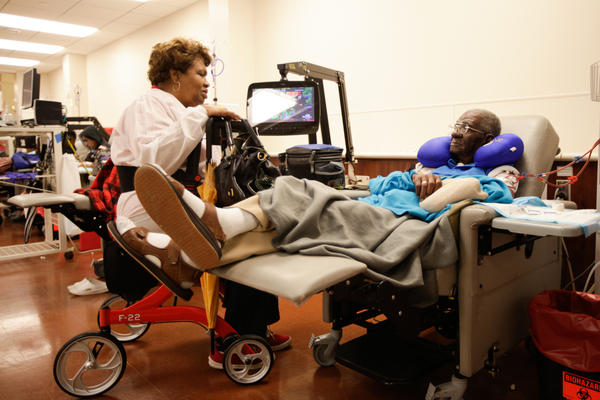
Chronic kidney disease is a crisis in the U.S. — yet, the intersection of transportation and healthcare is failing. Public transportation agencies, healthcare providers, and patients are concerned about the rising demand, cost of providing dialysis trips for patients with the illness. Of the forms of dialysis transportation, ambulance rides only make up 5% of trips in the US. However, they account for half of the $3 billion spent annually on dialysis transportation, according to a 2013 study in the Journal of Health Economics and Outcomes Research. Costs could be reduced by one-third if ambulance use dropped to 1% of trips.
Gathering Needed Data
Before policy could change, all parties involved needed to know the lay of the land. In 2016, researchers with Cooperative ...
Implicit bias, also known as unconscious bias, occurs when stereotypes influence automatic brain processing. We can be susceptible to inherent bias and not even know it. Fortunately, you can find out if you have such leanings.
Implicit Bias Testing
Harvard’s Project Implicit developed The Implicit Association Test (IAT). The test, created 20 years ago, measures social attitudes and beliefs that people may be unwilling or unable to realize. The various implicit bias assessments focus on gender, race, skin color, weight, and more. There is no Hispanic/Latino-focused test, though. Bias tests can expose one's implicit attitudes, of which they are unaware. For example, you may believe women and men should be equally associated with careers in scientific fields. Yet, your ...