In Vhembe-Mutale school district, sugary drinks have been banned since the beginning of the school year. The change has been successful and popular according to Health24, as parents like Tambulani Mbedzi explained that her child was suffering from headaches and found out that it was due to drinking a lot of sugary drinks at school being sold by hawkers. Children would buy two or three bottles of sugary drinks at a lower price from these hawkers that were selling sugary drinks to kids at school. The deputy principal at the school, Rendani Nemufulwi complained that because of these hawkers, that would even try to sell to kids secretly, kids were drinking tons of sugary drinks at the school and were less inclined to eat nutritious foods. Parents are happy about the changes, ...
Latinos and others living in rural areas are more likely to die from heart disease, cancer, respiratory disease, stroke, and unintentional injuries than their urban counterparts. These top-five causes of death account for 62% of all U.S. deaths. Among those living in rural areas, over 70,000 of these deaths were preventable, The Washington Post reports on a CDC study, including 25,000 individuals who died from heart disease and 19,000 who died from cancer. Although just 15% of the U.S. population is considered rural, they tend to be older, in poorer health, have less income and healthcare, and weight more, smoke more, and have higher blood pressure than the urban population, the Post reports. Latinos face even higher risks of heart diseases because of the disparities in ...
People living in rural areas are more likely to die from heart disease, cancer, respiratory disease, stroke, and unintentional injuries than their urban counterparts. The top five causes of death accounted for more than 1.5 million deaths in the United States in 2014. This figure accounts for 62% of all the deaths in the country at that time. Among those living in rural areas, over 70,000 of these deaths were preventable, The Washington Post reports. The Centers for Disease Control and Prevention (CDC) determined that of the preventable deaths, 25,000 individuals died from heart disease and 19,000 died from cancer. Latinos face even higher risks of cardiovascular diseases because of the disparities in high blood pressure, obesity and diabetes compared to whites. Cancer is the ...
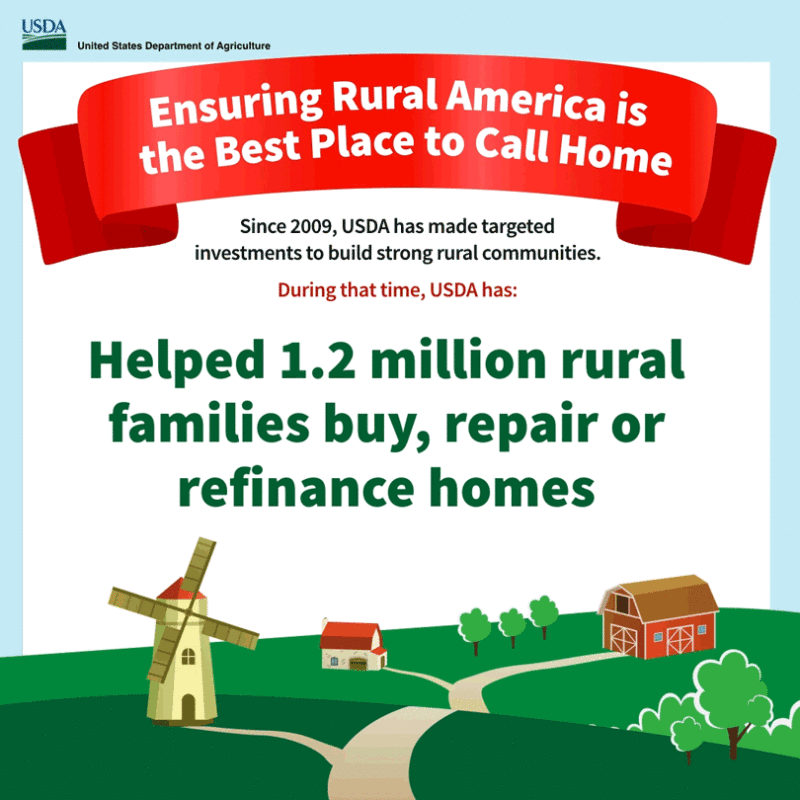
Financial stress has been linked to numerous negative health concerns. The stress felt from financial pressure can affect appetites and sleep patterns and greatly impact overall physical and mental well-being. One of the most pressing financial stressors people deal with stems from paying for housing. IN rural areas, the difficulties of finding affordable housing is often exacerbated. However, the U.S. Department of Agriculture (USDA) recently invested over $74 million to build and preserve affordable rural rental housing for families across the country. In order to reduce health disparities, it is critical to address inequities in programs, practices, and policies. Join our site, connect with others, and get involved. “[The] USDA's multi-family housing program has ...
MHP and Alice Independent School District partnered to create a shared use agreement. This would make school-owned recreational areas—gyms, playgrounds, parks, and walking trails—available to the public after school hours, adding a much-needed physical activity option in an area that faces high rates of obesity and related health complications.
The Need for More Places for Physical Activity
Awareness: Robert De Leon, a former program director at MHP—an organization that has provided leadership in health promotion and program development for farmworkers and their families and other communities since 1983—was increasingly concerned about high obesity rates in South Texas. In 2011, MHP applied for a Texas Health Initiative’s Community Transformation Grant to focus new ...
Last year, the US earned a D+ for preterm birth on the March of Dimes Report Card. The March of Dimes Report Card is an annual report that signifies where states and the rest of the country are in terms of infant and maternal mortality and morbidity. This year, the US is following up its last poor rating with another D+, making it the fourth consecutive year the country has earned the substandard score. Of the births that occurred in the US in 2024, nearly 380,000 babies were born preterm, accounting for every 1 in 10 births, according to the report. Let’s take a closer look at the March of Dimes Report Card and what it means for infant and maternal health in the US.
Preterm Births in the US
March of Dimes, which pushes for better maternal and infant ...
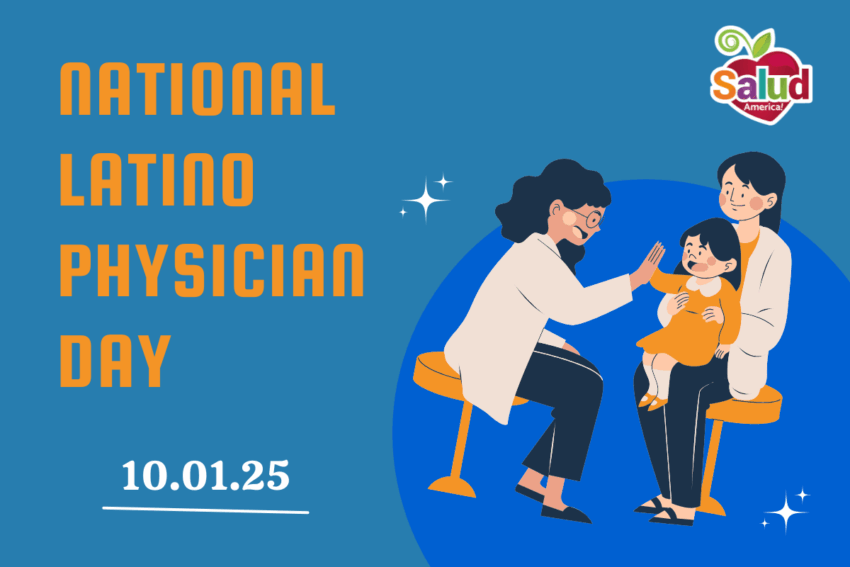
Latinos continue to be a growing population in the US. However, at 19.5% of the population, Latinos only comprise 6% of all physicians, according to the Association of American Medical Colleges (AAMC). Fewer Latino physicians to meet the growing population can lead to worse health outcomes for Latinos, who rely on physicians that look and sound like them to build trusting patient-doctor relationships. To shine a light on this issue, National Latino Physician Day occurs every Oct. 1 during Hispanic Heritage Month to honor Latino physicians and share the need for more. Let’s go over how National Latino Physician Day came to be and why Latino physicians are integral for closing the gap on health differences for Latinos and all people.
How Did National Latino ...
Today, the Mays Cancer Center at The University of Texas San Antonio Health Science Center, along with 61 National Cancer Institute (NCI)-Designated Cancer Centers with leading national organizations and the University of Puerto Rico Comprehensive Cancer Center have endorsed a joint statement urging the nation’s health care systems, physicians and other health care providers and professionals, parents, and caregivers, and the public to promote and choose human papillomavirus (HPV) vaccination for cancer prevention. HPV vaccination is safe and works to prevent six types of cancer (oropharyngeal, cervical, anal, vaginal, vulvar, and penile). Recently released National Immunization Survey (NIS)-Teen data show no gains in HPV vaccination over the last few years indicating urgent ...
In the last 15 years, U.S. mortality rates have leveled off or worsened, according to a new report from the National Institutes of Health. One of the lesser-known reasons for this trend is educational level. “Notably, research has found that mortality is [better] among people with a higher level of education,” according to NIH. Let’s dig deeper into this research and what it means for our communities.
What Research Found on Educational Levels
The NIH cites a recent study, published in JAMA Health Forum and led by Boston University School of Public Health. The study examined U.S. mortality rates by educational attainment before, during, and after the COVID-19 pandemic. Along with data from the CDC’s National Center for Health Statistics and the U.S. Census ...