by
by 
Share On Social!
UT San Antonio is shining a light on Alzheimer’s disease with a new research center to study an aging Latino population, the university announced in UT San Antonio Today.
Funding for the center, called the San Antonio Center for Alzheimer’s Disease and Related Dementias (AD/ADRD) Population Aging and Social Studies (CAPAS), was made available through a grant program from the National Institute on Aging.
CAPAS seeks to bridge the gap in Alzheimer’s research by aligning experts in demography, neuropsychology, biology, economics and public health across UT San Antonio’s campuses, including its Health Science Center.
UT San Antonio experts will be working alongside experts from other institutes, such as the Biggs Institute for Alzheimer’s and Neurodegenerative Diseases, the Barshop Institute for Longevity and Aging Studies, the Brain Health Consortium, and the Salud America! national health communications program.
By researching Alzheimer’s and other dementias through the lens of social sciences, neuropsychology, biology, public health communication and bilingual community outreach, the center aims to reveal how aging and dementia impact communities in South Texas, especially in vulnerable populations that have higher rates of dementia and have gone under-researched.
“By combining our strengths, we can address Alzheimer’s disease from every angle — from molecules and biomarkers to families, neighborhoods and communities,” said Rebecca Wong, who is helping to lead the center and its activities.
CAPAS strives to look at how factors such as an individual’s birthplace, education and work history, occupational and neighborhood exposures, along with other influences affect someone’s health over time, more specifically, the health of the Latino population.
“Much of the science on Alzheimer’s is clinical,” Wong said. “We need to study the life course of the disease to determine how the patient arrived at this point.”
CAPAS and Salud America!
At the core of CAPAS are three principles: development, communication, and dissemination and administration.
To accomplish communications, Salud America! was brought in to help with outreach.
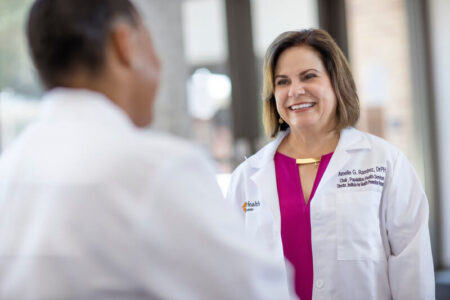
Salud America!, led by Dr. Amelie G. Ramirez, director of the Institute for Health Promotion Research and associate director of cancer outreach and engagement at the Mays Cancer Center at UT Health San Antonio, has been tasked with providing community outreach through educational blog posts about Alzheimer’s, e-mail newsletters, and news updates on the center’s activities in both English and Spanish.
The program has a proven track record of being a trustworthy source of the latest health information affecting Latino and all populations.
With its network of 400,000 healthcare professionals and community and school leaders, Salud America! strives to be a trustworthy place to receive information about the latest in Latino health and inspire community-wide change through action.
Latinos are one of the fastest growing populations in the US.
However, they face many health challenges, such as high risk for obesity, diabetes, heart disease, and certain types of cancer.
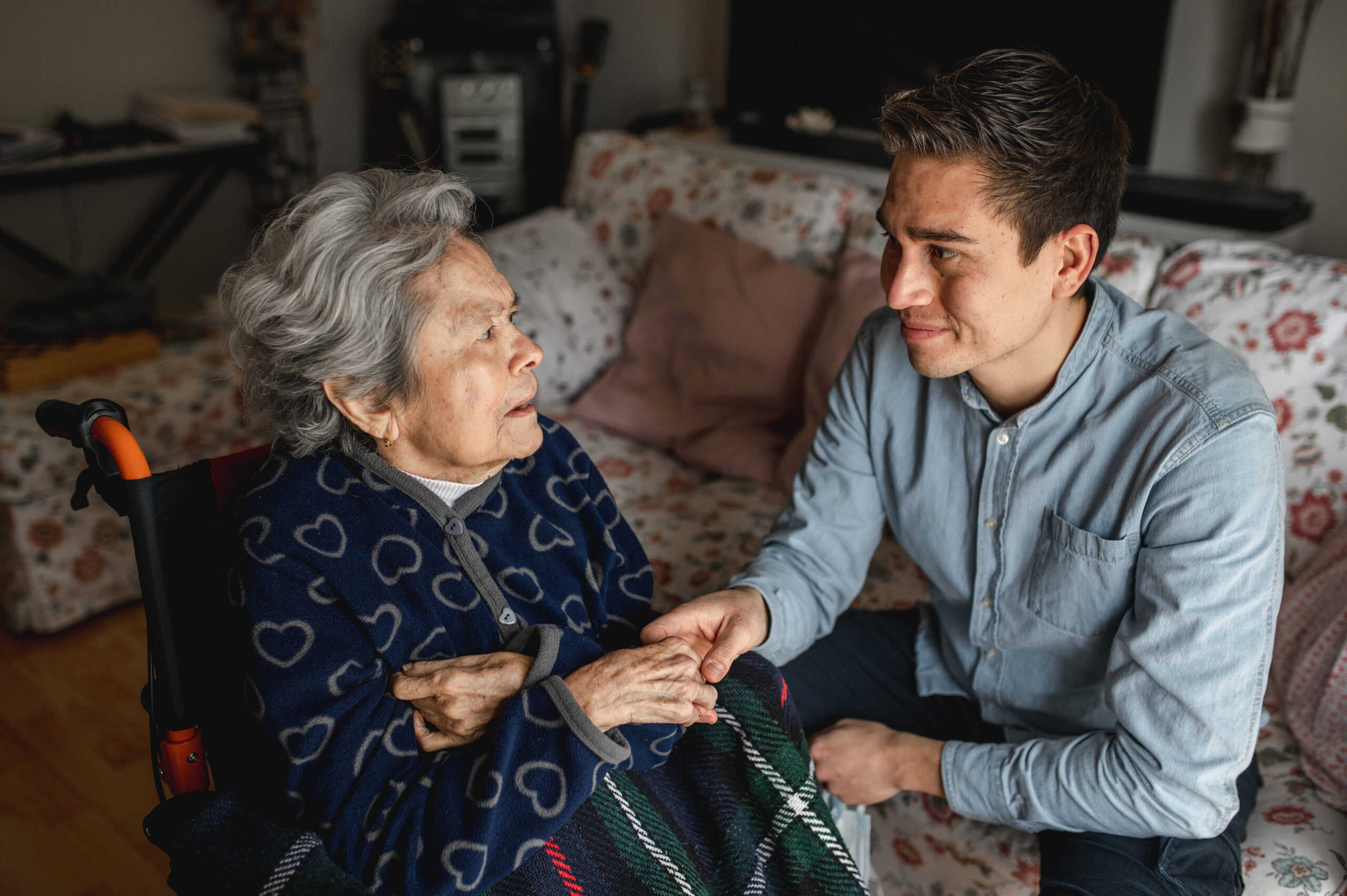
They also are more impacted by Alzheimer’s and related dementias.
“We are well-positioned to lead this research,” said Dr. Fernando Riosmena, CAPAS co-director. “Latinos experience earlier cognitive aging than other populations and earlier development of dementias. San Antonio and South Texas are at the heart of this challenge.”
Latino families are also highly involved in the caregiving process, often taking on the responsibility full time caregivers while maintaining other roles in and outside the household.
What’s more, they aren’t always included in research and clinical trials, which limits our understanding of why this is and gives Latinos fewer interventions to help with a diagnosis.
CAPAS seeks to close some of these gaps.
“Population-level research allows us to prioritize [focus on under researched individuals],” Wong told UT San Antonio Today. “If we find that Alzheimer’s onset occurs earlier in some populations than in others, we can be confident that the finding reflects the larger population, not just a small, select clinical sample.”
The center’s research-driven agenda aligns with many of Salud America!’s platforms, including creating informative content about Alzheimer’s and dementia, advancing health care for Latinos and all people, and increasing participation in clinical trials.
Through the use of bilingual communications, the center hopes to help families understand risk factors associated with Alzheimer’s and dementia, prevention strategies, and caregiving resources while helping shape future research priorities.
“We thought this would be a good opportunity for demography centers to be more involved in community communication,” Riosmena said in the article. “There are amazing studies happening here, but not enough of that knowledge reaches families in ways they can use.”
Volunteer for a Clinical Trial for Your Familia!
Cancer and Alzheimer’s hurt many of our abuelos, moms, dads, and others we love.
Clinical trials help us fight for our familia.
Clinical trials are studies that help researchers learn more to help slow, manage, and treat Alzheimer’s and cancer for current and future family members. But without volunteers for clinical trials, the benefits may miss this group.
Visit our clinical trials page to find a clinical trial, read about hero volunteers, and more!
“Volunteers in clinical trials are not only helping themselves, but they’re also building a future with better treatments that can help their families in the future,” said Dr. Ramirez.
Those looking for opportunities based in San Antonio can search the Mays Cancer Center at UT Health San Antonio’s Find a Clinical Trial database to learn more about available clinical trials and eligibility requirements.
On a national level, visit clinicaltrials.gov to find a clinical trial near you.
LEARN MORE ABOUT CLINICAL TRIALS!
Explore More:
DementiaBy The Numbers
142
Percent
Expected rise in Latino cancer cases in coming years