It’s Hispanic Heritage Month! One of the best ways to honor Hispanic Heritage Month from Sept. 15 to Oct. 15 every year is by honoring yourself – including maintaining your brain health. Follow these nine ways to support brain health for Hispanic Heritage Month.
1. Familiarize Yourself with Cognitive Decline Risk Factors
Several lifestyle and health factors can impact your risk for Alzheimer’s disease and related dementias. It’s important to familiarize yourself with these risk factors so you can make the changes needed to improve your brain health. Here’s how you can lower your risk for cognitive decline: Maintain a healthy body weight Protect your head from traumatic brain injuries by wearing protective gear Support a more ...
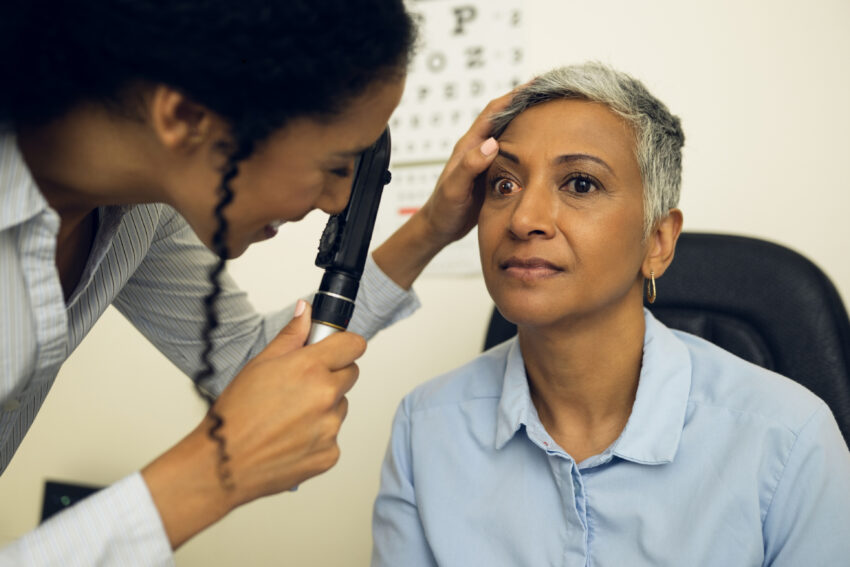
Se sabe que los problemas de visión relacionados con la edad pueden aumentar el riesgo de demencia. Pero ¿qué pasa cuando la visión de una persona queda dañada por un derrame cerebral, causando visión doble, pérdida de campo visual en cada ojo, o problemas en los nervios que controlan el movimiento de los ojos? Según un nuevo resumen de investigación, los sobrevivientes de derrame cerebral que tuvieron problemas de visión mostraron una probabilidad 2.3 veces mayor de tener demencia, en comparación con quienes no tuvieron problemas visuales. Le invitamos a revisar la nueva hoja informativa “Visión Después de un Derrame Cerebral: Lo Que Significa para la Salud de Tu Cerebro”, creada para ayudar a nuestros abuelos, familias y cuidadores a entender cómo ...
We know age-related vision impairment is a risk factor for dementia. But what happens when a person’s vision is damaged by a stroke, resulting in double vision, loss of visual field in each eye, or cranial nerve dysfunction? Stroke survivors who suffered vision impairment showed a 2.3-fold increase in the odds of having dementia than those without vision issues, according to a new research brief. See the new research in our new fact sheet, Vision After Stroke: What It Means for Your Brain Health, to help our abuelos and caregivers understand how vision impairment following stroke can impact their brain health. This fact sheet was created by Dr. Amelie G. Ramirez of Salud America! and UT Health San Antonio based on a research brief from ...
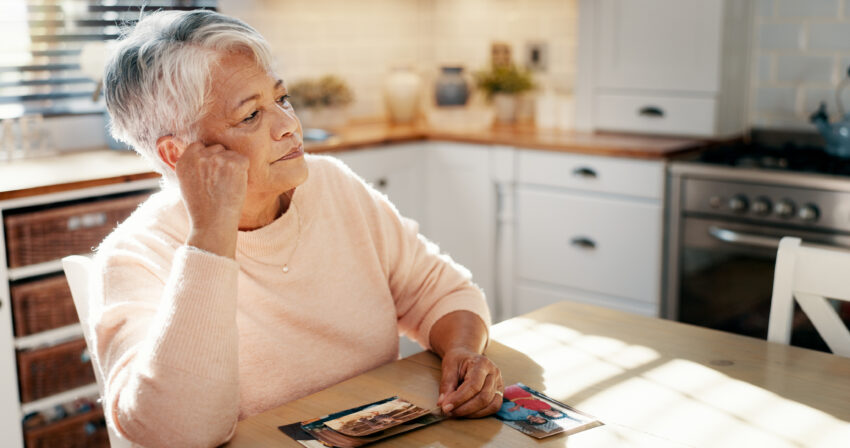
Para vivir una vida saludable, necesitamos convivir y relacionarnos con otros. Sin embargo, muchos adultos mayores enfrentan aislamiento social, o sea, tienen poca interacción con otras personas y casi ningún contacto regular, y también padecen de la soledad, ese sentimiento doloroso de estar solos o alejados de los demás. ¿Cómo podemos evitar el aislamiento social y la soledad al envejecer? Le invitamos a leer nuestra nueva hoja informativa, Guía para Combatir el Aislamiento Social y la Soledad, creada para ayudar a nuestros abuelos, familias y amigos a entender qué son el aislamiento y la soledad, cómo afectan la salud, y qué podemos hacer para prevenirlos y evitar el Alzheimer y otras demencias relacionadas. Esta hoja informativa fue escrita por la ...
People need social interaction to live a healthy life.
Yet many aging adults face social isolation, a lack of social contacts and few people to interact with regularly, and loneliness, the distressing feeling of being alone or separated.
How can we avoid social isolation and loneliness as we age?
Check out our new fact sheet, A Guide to Combating Social Isolation & Loneliness, to help our abuelos, familias, and amigos understand social isolation and loneliness and ways to combat them and avoid Alzheimer’s Disease and related dementias.
This fact sheet was created by Dr. Amelie G. Ramirez of Salud America! and UT Health San Antonio and its partner the San Antonio Center for AD/ADRD Population Aging and Social Studies (San Antonio CAPAS) at UT Health San Antonio.
get THE FACT ...
As the U.S. population continues to age, more Latinos and all people will face memory loss because of Alzheimer’s disease and related dementias. Fortunately, every year, the U.S. Department of Health and Human Services (HHS) updates its National Plan to Address Alzheimer’s Disease to adopt new strategies to support communities impacted by Alzheimer’s and related dementias. This year, HHS is seeking direction from clinicians, researchers, caregivers, and families on what areas to focus on to address dementia through 2035. 170 people submitted a Salud America! model comment to tell HHS to help improve Alzheimer’s health outcomes for Latinos and all populations by supporting clinical trials, programs, and investments that make a ...
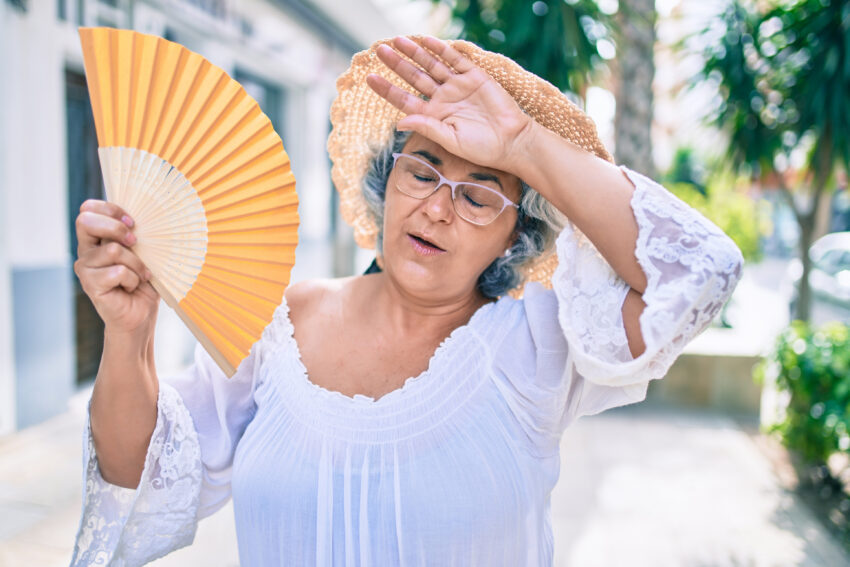
Summer has officially kicked into high gear. With many cities across the U.S. experiencing unprecedented heat, it’s important to know how your age impacts your body’s response to extreme heat conditions. Aging adults are some of the most vulnerable populations to the harmful effects of heat. Seniors, especially those with chronic health conditions, have a harder time cooling their bodies, sweat less, and have dulled sense of thirst. Medications can interfere with their body temperature regulation system. Exposure to extreme heat can also cause long-term adverse health effects like increased risk for cognitive decline for aging adults. Whether attending outdoor family gatherings or splashing in the pool with the grandkids, here is ...
Human beings need social interaction to live a healthy life.
But did you know how much you socialize can have a direct effect on your brain health?
Social isolation is not only linked to negative brain health, but the impacts also can be worse depending on where you live, according to a recent study from UT San Antonio and Princeton University.
Check out our new fact sheet, How Does Social Isolation Impact Brain Health in Aging Adults?, to help our abuelos and abuelas across the globe understand how maintaining an active social life can impact their brain health as they age.
This fact sheet was created by Dr. Amelie G. Ramirez of Salud America! and UT Health San Antonio based on a research brief from the San Antonio Center for AD/ADRD Population Aging and Social Studies (San Antonio ...
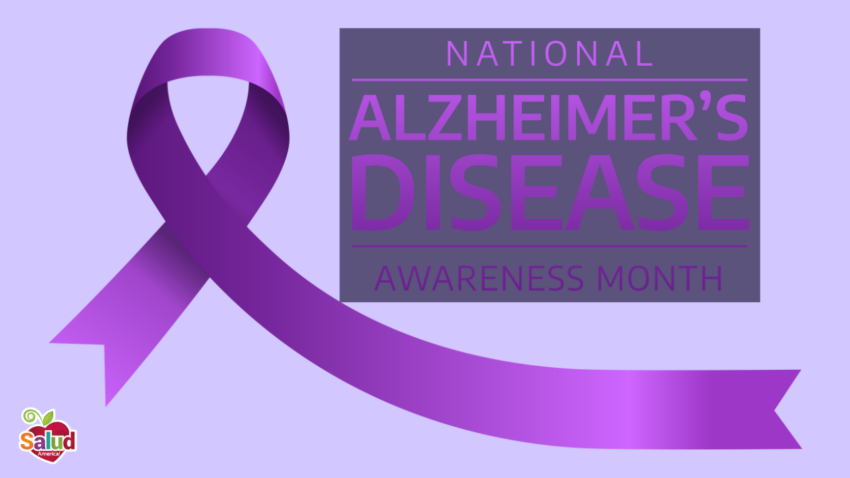
Alzheimer’s and dementia impact the brain, cognitive activity, and memory. As of 2026, 7.4 million Americans 65 and older are living with Alzheimer’s or dementia, according to the Alzheimer’s Association’s Alzheimer’s Disease Facts and Figures report. These numbers are set to increase to 13.8 million by 2060, according to the report. Not only is Alzheimer’s a very prevalent disease, it’s also the 6th leading cause of death for older adults, according to the Alzheimer’s Association. June is Alzheimer’s and Brain Awareness Month. In honor of the month, we are raising awareness by sharing 9 resources to help prevent, navigate, and treat Alzheimer’s and so much more!
1. Make Lifestyle Changes to Decrease Your Alzheimer’s ...