by
by 
Share On Social!
Overweight and obesity continue to be big problems in the US, impacting over 100 million Americans or nearly 40% of the US population as of 2023, according to the CDC.
The obesity epidemic is, in turn, driving up heart disease, diabetes, and cancer.
However, within the last decade, new weight loss injectables have become available to help mitigate obesity and its related risks.
These medications – such as Ozempic, Wegovy, Mounjaro, Zepbound – have grown in popularity for their ability to cut down on potential health risks while helping people get back to a healthier weight.
But there’s still more providers and researchers are learning about these products and their health applications.
Let’s go over 10 things you should know about weight loss injectables, health, and obesity.
1. Amid Weight Loss Injectables, Obesity Rates Have Dropped
In the past three years, the US obesity rate dropped from a record high of 39.9% to 37%.
This means that there are about 7.6 million less adults living with obesity than a few years ago, according to the Gallup National Health and Well-Being Index.
That’s good news.
Weight loss injectables, introduced to healthcare in 2014, present an opportunity to help reduce obesity rates even further.
2. Use of Weight Loss Injectables Has Risen
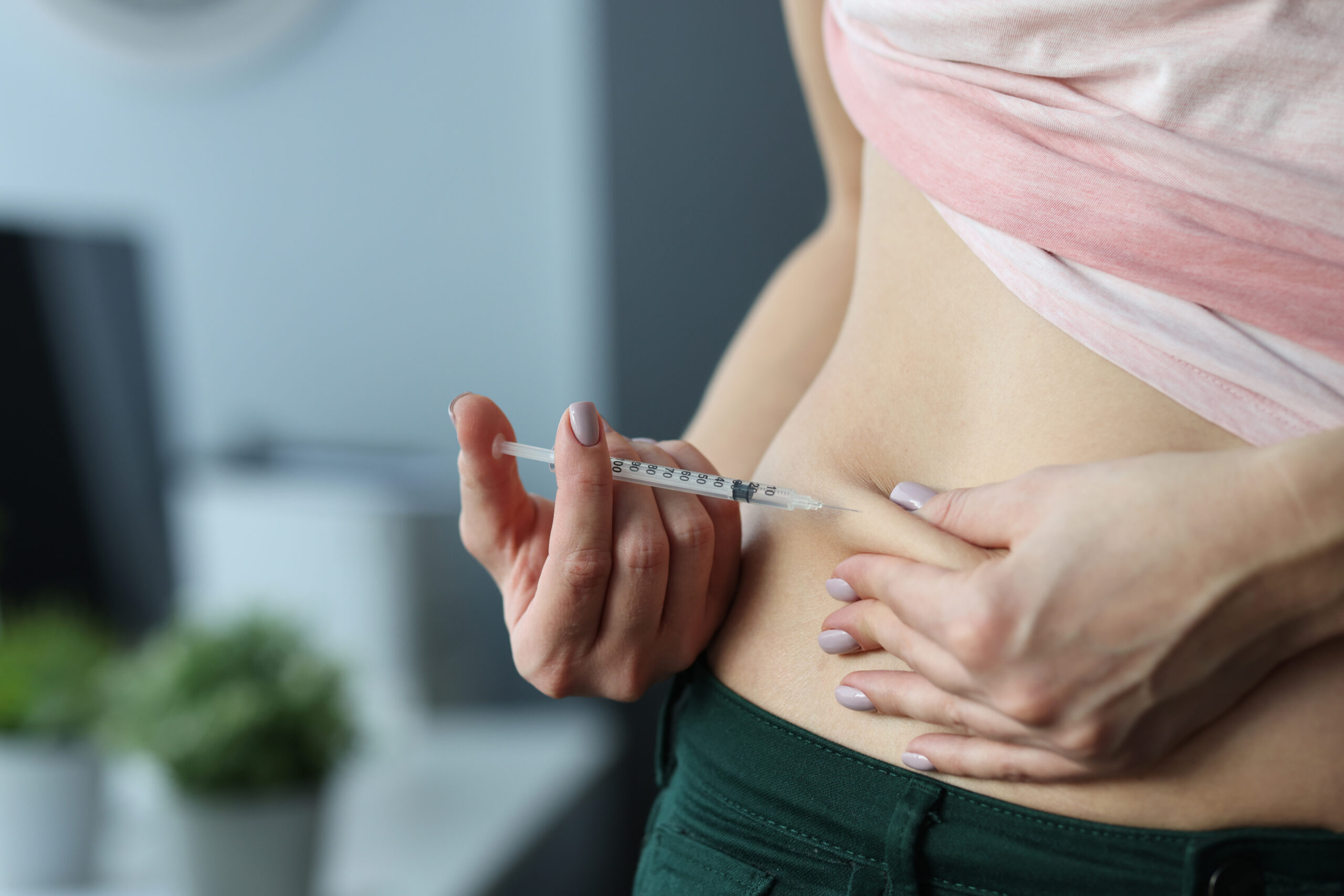
One of the ways adults are managing obesity is through the use of weight loss management injectables. These include semaglutide (Wegovy, Ozempic), liraglutide (Saxenda), and tirzepatide (Mounjaro, Zepbound).
These medications are glucagon-like peptide 1 (GLP-1) receptor agonists.
They work by reducing your appetite, increasing the feeling of fullness. Some improve how the body breaks down sugar and fat.
Since 2024, the percentage of adults taking weight loss injections has increased to 12.4%, compared to February 2024 when that percentage was at 5.8%, according to Gallup.
Furthermore, awareness about these weight loss medications has increased from 80% to 89%, according to Gallup.
3. Use of Weight Loss Injectables among Men and Women
More women than men (15.2% compared to 9.7%) take weight loss injectables.
These findings align with the fact that more women suffer from obesity than men in the US. According to the National Institutes of Health, 40.3% of men and 41.3% of women were classified as obese in 2021-2022.
Despite the higher obesity rate in women, women have actually had a higher drop in obesity than men since 2022.
“The rate among men has dropped 2.3 percentage points to 35.2% in 2025, while women’s rate has dropped 3.5 points to 38.8%,” according to Gallup.
4. Weight Loss Injectable Use Is Highest Amongst People Ages 50 to 64
Many different age groups reported using weight loss injectables.
Of the total number of US adults taking weight loss injectables, 6.7% were in the 18 to 29 age group, according to Gallup.
The next group taking weight loss injectables is 30 to 39 at 9.6% followed by 65 and over at 11.1%.
The two groups that represented the highest weight loss injectable users were in the 40 to 49 and 50 to 64 age range at 16.2% and 17% respectively.
5. Obesity Decline Was Highest in This Age Group Using Weight Loss Injectables
The two age groups with the highest decline in obesity were 50 to 64 and 40 to 49.
In individuals between the ages of 50 and 64, obesity decreased by 5.0 percentage points to 42.8%, according to Gallup.
In the 40 to 49 age group, the obesity rate went down 4.3 percentage points for a rate of 43.3%.
These numbers align with the number of people in these groups using weight loss injectables.
6. Impact on Diabetes of Weight Loss Injectables
Diabetes, which can arise when you’re at an unhealthy weight, has reached an all-time high of 13.8% among the US population.
Of those who have been diagnosed with diabetes, 14.1% use injectables for weight loss purposes — a higher rate than the general adult population, according to Gallup.
“The growing popularity of GLP-1s has led to healthier BMI scores but has not lessened the rate of diabetes diagnoses, which is a lifetime diagnosis. Only if the rate of new diabetes cases starts to decline will the U.S. rate eventually follow,” according to Gallup.
Genetics and lifestyle factors thus remain important.
“In terms of Type 2 diabetes, which accounts for over 90% of adult cases of diabetes, some people are more susceptible due to inherited risk. But healthy habits like eating fruits and vegetables and getting adequate physical activity can enhance the benefits of these medications,” according to Gallup.
“[Data] from 2023 suggest that U.S. adults have worse health habits and outcomes than they did just four years earlier in 2019. Sustained health progress will likely depend not only on medical innovation but also on rebuilding healthier daily routines that complement pharmacological treatments.”
7. Depending on Insurance, Weight Loss Injectables Can Be Pricey
Despite the health benefits of lowering obesity, weight loss injectables can be pricey, especially without insurance.

Without insurance, these injectables can cost anywhere from $1,300 to $1,850 a month, depending on the brand, according to SingleCare.com.
Not only do injectables have a high out of pocket cost; some insurance companies don’t even cover the cost of the medication.
For instance, even though obesity is a national issue, only 13 states fully cover obesity treatments under Medicaid, according to Gallup analysis.
The states that cover the cost of treatment are California, Delaware, Kansas, Massachusetts, Michigan, Minnesota, Mississippi, New Hampshire, Pennsylvania, Rhode Island, South Carolina, Virginia, and Wisconsin.
Some of the states that have made this drug available are located in high obesity areas, according to Trust for America’s Health State of Obesity 2024: Better Policies for a Healthier America report.
For instance, Mississippi had a 40.1% obesity rate in 2023, according to the report.
Considering that obesity is known to be higher in parts of the South and Midwest, it stands to reason that the expansion of Medicaid coverage to include these drugs could lead to a steady decline in obesity rates in the US.
8. There’s Still a Stigma Surrounding the Use of Weight Loss Injectables
According to the Pew Research Center, 53% of US adults claim that weight loss injectables are a good way to manage obesity and other weight-related conditions.
However, weight loss injectables still have a negative stigma.
The increased popularity of the drugs, especially in mainstream Hollywood, has painted a picture of weight loss injectables as a quick fix rather than a long-term health strategy. This can overshadow the fact that these medications treat conditions, such as obesity.
Due to instances like this, 62% of US adults believe that they aren’t a good option for people with weight-related conditions; Gallup cited the Pew Research Center.
9. Considering a Weight Loss Injectable
Consult your healthcare provider when considering weight loss injections.
Determining which weight loss injectable is appropriate for you can depend on a few factors, said Lindsay Cook, a medical board expert with VeryWell Health.
“This includes comorbidities (e.g., diabetes, thyroid disorders), frequency of injection, cost, and/or age,” Cook said. “Desired weight loss can also help narrow down the choice, as some options have a greater success rate than others or may work more quickly.”
10. The Health of Your Community Remains Critical
Do you know where your community stands on issues such as obesity and weight?
The answer may surprise you.
Explore issues such as physical health, weight, and more when you download a free a Salud America! Health Report Card for your town!
Enter your county name and get auto-generated local data with interactive maps and comparative gauges on several health indicators. This can help you visualize and explore local issues and get a bigger picture of the health of your community.
See how your county stacks up compared to the rest of your state and nation.
Then email the Report Card to local leaders to raise awareness, include the data in a presentation or grant proposal, or share it on social media to drive healthy change in your community!
Explore More:
Latino ObesityBy The Numbers
1
out of 10
Pedestrians survive when hit by a car at 40 MPH