 by

Share On Social!
This content is from UT Health San Antonio’s book, “Advancing Cancer Research for Latinos and All Populations: 2026 Conference Proceedings,” which highlights results of the same-named conference in February 2026.
Therapeutic Yoga Improves Quality of Life and Reduces Perceived Stress in Women with Breast Cancer: 6-Month Intervention in South Texas Communities
Dr. Gustavo J. Almeida at UT Health San Antonio
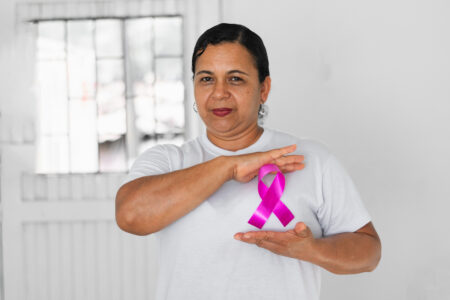
Yoga for breast cancer survivors

Dr. Almeida began the presentation by highlighting the persistent physical, emotional, and psychosocial challenges faced by breast cancer patients. In South Texas, access to supportive, holistic survivorship services is limited, and many women lack resources to manage long-term symptoms and stress. Quality-of-life impairments can persist for years, impacting daily functioning. Because underserved communities face higher symptom burden and fewer programs, there is a need for scalable, accessible mind-body interventions.
In our recent study, a six-month yoga program was offered to adult breast cancer patients in San Antonio and Laredo, Texas. Participants showed significant improvements in several quality-of-life areas such as physical functioning, vitality, mental health, social functioning, bodily pain, and general health. Participants also experienced reductions in perceived stress, suggesting that therapeutic yoga may support emotional regulation among breast cancer survivors. Interestingly, awareness of exercise barriers actually increased. This may indicate an amplified awareness of personal challenges, a possible positive development allowing for better long-term management. Based on these results, therapeutic yoga is a promising, low-cost approach to improving quality of life and easing stress for breast cancer survivors, especially in underserved areas.
Using Virtual Reality to Promote Physical Activity
Dr. Yelba M. Castellon-Lopez at Cedars-Sinai Health Sciences University
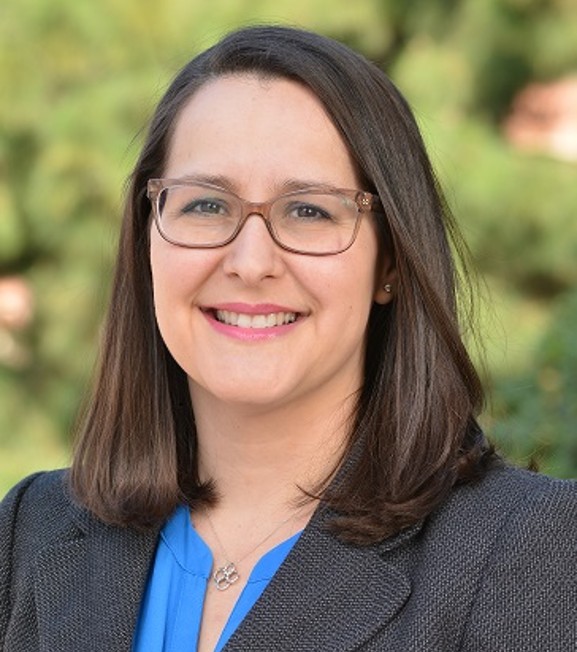
Dr. Castellon-Lopez’s presentation focused on the use of virtual reality (VR) to promote physical activity among Latino adults with cardiometabolic and cancer risk. Physical activity is known to play a crucial role in cancer prevention, treatment, support, and survivorship. However, one third of adults do not meet recommended physical activity guidelines. Latino populations have the highest prevalence of physical inactivity compared with other adult racial and ethnic groups.
Virtual reality is a computer-generated 3-dimensional simulation that creates an immersive and interactive artificial environment through a headset. A study was conducted among adult Latino participants who had cardiometabolic factors using VR to promote physical activity. Participants were invited to complete a 30-minute VR Latin dance-inspired session, followed by focus groups. Overall, participants expressed enthusiasm for the use of VR, citing reasons such as being able to disconnect from their everyday lives and having a personal instructor tailored to their activity level. Participants who reported neighborhood safety concerns and transportation limitations also saw VR as a way to potentially overcome these barriers. Concerns included cost, connectivity issues, and engaging with the equipment. Future work involves lending VR equipment to participants at federally qualified health centers who are participating in lifestyle interventions and testing engagement over time.
How Multimorbidity Patterns Influence Colorectal Cancer Treatment in Puerto Rico
Dr. Maira A. Castañeda-Avila at University of Massachusetts Chan Medical School
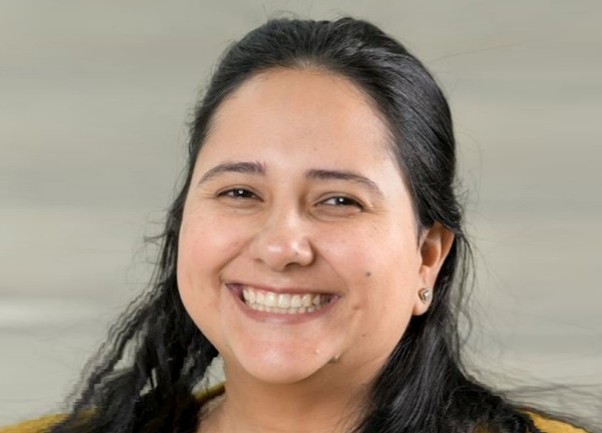
Dr. Castañeda-Avila began by discussing colorectal cancer, which primarily affects older adults. In Puerto Rico, this issue is particularly important due to the rapidly aging population. Furthermore, large-scale migration of younger adults has left many older adults with limited family support and fragmented care.
A study was performed to determine how multimorbidity patterns influence colorectal cancer treatment and survival in older adults in Puerto Rico. Analysis was performed using the Puerto Rico cancer registry linked with health insurance claims data. Adults aged 65 and older who were diagnosed with colorectal cancer between 2012 and 2020 were included. Three clinically meaningful subgroups were identified based on comorbidities: the hypertensive vision group (about 14% of participants), the diabetic renal group (about 12% of participants), and the cardiopulmonary severe group (about 3% of participants).
The diabetic renal group was significantly less likely to receive guideline concordant care compared with patients with 0 or 1 chronic conditions. Unsurprisingly, the cardiopulmonary severe group had the lowest survival. Mediation analysis revealed that about 70% of the survival disadvantage, particularly in the diabetic renal group, was explained by lower treatment received. These results suggest that improving coordination between oncology and chronic disease care could improve outcomes in certain subgroups. However, it is important to tailor colorectal cancer care by multimorbidity profile in an aging population like Puerto Rico.
Large Language Models for Clinical Trial Summaries
Sara Flores at the National Cancer Institute
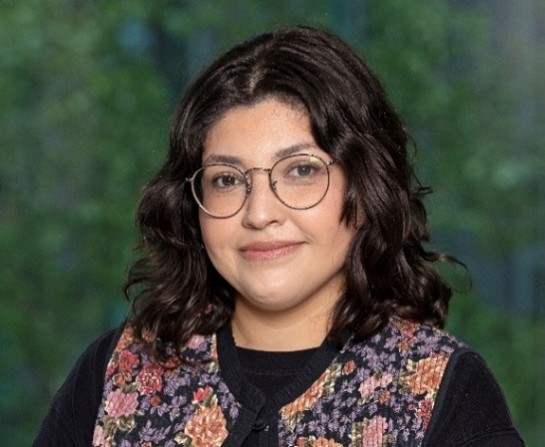
Dr. Flores’s presentation discussed the feasibility and acceptability of using large language models (LLMs) to generate lay clinical trial summaries in English and Spanish for cancer patients. Language barriers contribute to low Latino participation in clinical trials. However, increased use of LLMs in healthcare represents an opportunity for making complex medical content more accessible.
US Food and Drug Administration (FDA) plain language guidelines and input from colleagues were used to develop templates. Using an iterative LLM generation process, key protocol data such as study purpose and risk and benefits were added to these templates. Through close collaboration with clinical experts, English and Spanish versions were developed and submitted to patient advocates for feedback. The English summary was also sent to a certified translator at the National Library of Medicine who produced an independent Spanish translation. Preliminary feedback from English-speaking advocates focused on readability, formatting, and simplifying jargon. Spanish-speaking patient advocates also focused on readability, but emphasized consistency in language and conversational tone. Both feedback streams resulted in revisions to grammatical errors and clearer descriptions of clinical trial procedures.
LLM-generated summaries offer a scalable approach to improve clinical trial communications when paired with human oversight, and integrating patient advocate feedback with certified translations can enhance cultural linguistic appropriateness and aligns with health literacy best practices. Future work includes testing the readability of the certified translation, assessing the summaries through focus groups, developing an integrated protocol, and scaling workflow to additional trials.
Self-collection Screening Among High-risk Groups
Cirila Estela Vasquez Guzman at Oregon Health & Science University
Dr. Guzman began by noting that Latinas are 2 to 3 times more likely to die from cervical cancer than the general population. However, this is largely a preventable disease, resulting from a lack of screening, late screening, inadequate follow-up, or a lack of human papillomavirus (HPV) vaccination. Although a large body of literature on cervical cancer exists, it focuses primarily on younger women of reproductive age. More research is needed on cervical cancer in middle- to older-age women, who are less likely to have received an HPV vaccination, particularly if they are immigrants. Older age is also associated with declining immunity, making these women more susceptible to HPV.
The US Food and Drug Administration has approved self-collection of vaginal samples for cervical cancer screening. To evaluate the usefulness of self-collection in a Latina population, semi-structured interviews were conducted in English and Spanish with 26 participants. Participants reported little to no awareness about self-collection. Although the majority had mixed intentions about participation, 12 refused self-collection, preferring to go to their provider for screening.
Qualitative content analysis revealed 3 themes behind this hesitancy. First, most participants did not feel that they could do the self-collection, indicating a lack of self-confidence and trust in their own abilities. Second, participants expressed distrust with the larger healthcare system and were concerned about lost samples. Finally, participants reported a need for bilingual materials for those with limited English proficiency. Clearly, interventions are needed to improve self-collection participation for all Latina women, particularly populations who may be left behind either due to race, language, age, and/or immigration status.
SEE THE FULL CONFERENCE PROCEEDINGS
By The Numbers
142
Percent
Expected rise in Latino cancer cases in coming years