by
Share On Social!
This content is from UT Health San Antonio’s book, “Advancing Cancer Research for Latinos and All Populations: 2026 Conference Proceedings,” which highlights results of the same-named conference in February 2026.
Advancing Environmental Change and Cancer Research Through Latinx Expertise
Dr. Leticia M. Nogueira is Director of Health Services Research at the American Cancer Society.
Environmental and cancer care

Dr. Nogueira’s presentation focused on the connection between environmental change and cancer, and how expertise from the Latinx population is fundamental for advancing solutions that are relevant to everyone. Environmental change alters the behavior of extreme weather events. Extreme weather events can damage medical infrastructure, break transportation links, disrupt supply chains, and interrupt access to medical care. The changing frequency and behavior of extreme weather events is making it harder to prepare and respond to increasingly unpredictable circumstances, which is especially concerning for medically vulnerable populations who rely on uninterrupted access to care, such as cancer patients.
A study was performed by Dr. Nogueira and colleagues at the American Cancer Society (ACS) using the National Cancer Database, a hospital-based cancer registry co-sponsored by ACS and the American College of Surgeons, combined with Federal Emergency Management Agency (FEMA) data. The study found that mortality was 20% higher among lung cancer patients whose facility was impacted by a hurricane during radiation treatment compared to similar (propensity score matched) patients treated at the same facility when no disasters occurred.
Emergency preparedness
Enhancing emergency preparedness plans are vital to minimizing the impact of disasters on cancer treatment. Preparedness is one step in disaster risk management, a cycle of efforts that include response, recovery, and prevention. Dr. Nogueira found that few National Cancer Institute (NCI)-Designated Cancer Centers’ websites provide information on climate-related disaster preparedness (e.g., hurricanes, wildfires). The information that was provided focused on individual-level actions, such as creating a portable medical card that includes diagnosis and treatment information, pre-registering for a special needs shelter with on-site medical staff, understanding how to request additional medication if evacuation is required, and knowing what to include in an emergency kit.
However, shifting the burden from patients who are already managing the physical, psychological, and socioeconomic consequences of a cancer diagnosis and treatment towards healthcare institutions has greater potential for implementing disaster preparedness strategies. Moreover, the Centers for Medicare and Medicaid Services (CMS) already requires participating providers to maintain emergency preparedness plans. However, CMS does not require that these institutions share plans or lessons learned from disasters, which could allow for the continuous improvement of adaptation efforts. The ACS is launching an asset preparedness collaborative in partnership with the American College of Surgeons in order to create a repository of strategies that already exist, and create training materials to disseminate these findings and foster ongoing learning and implementation of disaster risk management strategies for cancer care.
The environmental change and cancer connection
Polluting activities, such as reliance on fossil fuels, are not only causing environmental change, but also increasing exposure to carcinogens. The extraction, transportation, processing, storage, and waste management of fossil fuels release carcinogens in local communities. Furthermore, as environmental change alters the frequency and behavior of extreme weather events—potentially breaching existing pollution containment infrastructure—communities surrounding these sites may be exposed to even higher levels of carcinogens..
The solution to pollution
Environmental Justice initiatives are vital to address issues at the intersection of environmental change and cancer. Solutions developed through Environmental Justice principles benefit everyone, not only those in areas more directly affected by pollution and environmental change. In fact, populations in areas being impacted first and worst by environmental and environmental hazards have already developed vital expertise and a plethora of relevant solutions. For example, populations that are targeted for marginalization are more likely to be exposed to air pollution from highways. Latinx populations have led initiatives in the San Antonio area to oppose interstate highway expansion, which affects many local Latinx-majority areas. However, all populations in San Antonio will benefit from these initiatives, as air pollution from highways disperses throughout the San Antonio area and affects the entire population.
Individuals and healthcare systems can have an impact on polluting activities driving environmental change and cancer burden. The healthcare system is the second largest energy consumer in the US. Energy consumption from the US healthcare system alone is larger than energy consumption in the entire United Kingdom. Therefore, increasing use of clean energy sources, especially those that are generated on site, could help reduce emissions and increase resilience to power outages, which are becoming more frequent with environmental change. Conscious choices about food procurement and consumption are also important. The industrialized food system is responsible for approximately 30% of greenhouse gas emissions globally, and consumption of ultra-processed foods is also associated with increased cancer risk .
Dr. Nogueira ended the presentation with a call to action. Each person can get more involved with reducing emissions, from places of work to individual activities, and can support policies that reduce emissions. Engaging with environmental adaptation and emergency preparedness efforts is also important. environmental change is here, and the health consequences of environmental change must be documented and studied in order to inform solutions that can be beneficial to all.
Under the Burning Sun: Cancer Risk Among Farmworkers
Dr. Roxana Chicas is an Assistant Professor at Emory University’s Nell Hodgson Woodruff School of Nursing and a Fellow of the American Academy of Nursing.
Farmworkers in the US
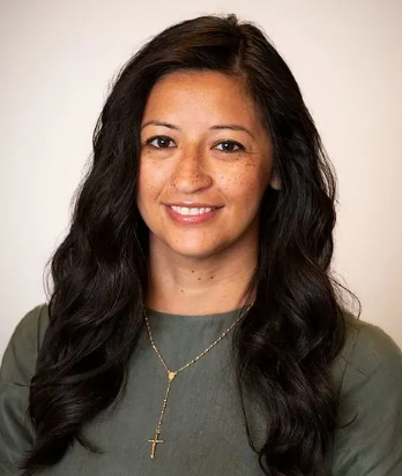
Dr. Chicas’s research focuses on the physiological response to heat exposure among farm workers and mitigations to protect them while they work under the heat. There are about 3 million farmworkers in the United States, and it is estimated that about 50% of them are undocumented workers. Although everyone in the US benefits from the work of undocumented workers, this population faces some of the most serious health risks of any occupational group and garners minimal attention in public health research and the cancer discourse.
Farmworker exposures
Farmworkers are exposed to pesticides, UV radiation, silica dust, diesel exhaust, and contaminated water and soil. These exposures are compounded by other risk factors such as obesity, alcohol use, and tobacco use, resulting in a high cumulative burden.
Farmworkers encounter pesticides in 4 main ways: through direct application and working in the fields, through pesticide drift that leaves the field and goes into their homes, through the clothing in which they work and then return to their homes, and through bioaccumulation from chronic, repeated exposure over time. These carcinogens involve arsenic, lindane, dichlorodiphenyltrichloroethane (DDT), and more, and the risk is compounded by inadequate training and limited access to protective equipment. According to the Environmental Protection Agency (EPA), every farmworker should get pesticide safety training. However, studies have shown that about half of farmworkers report having received no such training.
Another risk is UV radiation from sun exposure. Farmworkers spend the majority of working hours outdoors, often during peak sun hours. This prolonged UV exposure significantly increases melanoma risk. However, sun protection resources such as shade, sunscreen, and protective clothing are often not provided or not prioritized.
Some farmworkers attempt to provide their own protective equipment such as bandanas to protect from breathing in dust, chemicals, and exhaust. Others work with trash bags to protect themselves from chemical exposure. However, many farmworkers have limited health literacy about skin cancer warning signs, making them less likely to catch problems early.
Exposure and cancer
Recent studies have found associations between pesticide exposure and lymphoma, colorectal cancer, and skin cancer. Interestingly, agricultural workers overall have a lower cancer incidence than the general population. However, elevated risk of specific cancers such as prostate, myeloma, and melanoma, are directly linked with specific pesticide exposures.
Climate change directly impacts farmworkers. Rising temperatures are not only a safety hazard to farmworkers, but also amplify pesticide-related risk and accelerate pesticide volatilization, meaning more chemicals are inhaled. Sweating also increases dermal absorption of organophosphates, and dehydration impairs DNA repair capacity. These factors are compounded by the fact that drought conditions will lead farmers to use even more pesticides.
Some pesticides, such as glyphosate, increase the risk of all cancers, including leukemia and pancreatic cancer. Glyphosate is the active ingredient in Roundup, and is at the center of major scientific and legal controversy. While the World Health Organization (WHO) classified glyphosate as probably carcinogenic to humans in 2015, the EPA classified it as not likely to be carcinogen in 2020. Meanwhile, 280 million pounds of glyphosate are applied annually in the United States. Due to legal decisions, Bayer decided to remove glyphosate from residential Roundup in 2023. However, agricultural formulations of glyphosate are still being widely used, directly affecting farmworkers. Furthermore, since farmworkers often live in housing near their work, the groundwater for drinking may be contaminated with agricultural runoff, pesticide residue, and nitrates, and pesticide drift may reach homes and schools, exposing children from birth.
Dr. Chicas’s presentation ended with a discussion of priorities for future research. First, subtype specific analyses of blood cancer are needed, including US based cohorts that are focused specifically on farmworkers. Longitudinal interaction studies are also needed, evaluating how heat stress, pesticides, and carcinogens work together to increase cancer risk. Finally, clinical trials are needed to assess cancer screening interventions in farmworker populations.
Firefighters and Cancer: Extinguishing Cancer
Martin De La Rosa is a San Antonio Firefighter Department firefighter, EMT, and quartermaster. Steven Torres is also a San Antonio Firefighter Department firefighter.
Cancer risk among firefighters
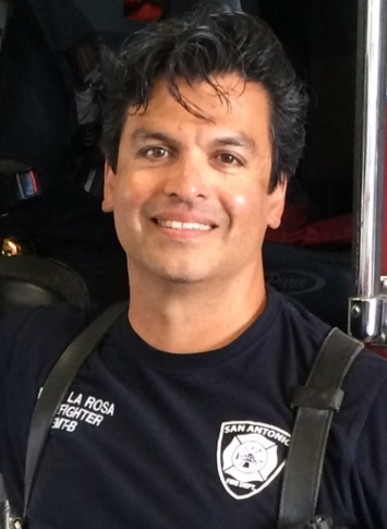
Mr. De La Rosa began the presentation with a discussion of firefighters and cancer. Firefighters are diagnosed with and die from cancer at a higher rate than the general population. In fact, cancer is the leading cause of death among firefighters. The goal of the presentation was to increase awareness of this issue and promote research into cancer prevention among firefighters.
Firefighters respond to fires, traffic accidents, and natural disasters such as fire storms, wildfires, floods, heat waves, and ice storms. In addition to the dangers inherent to the profession, firefighters also face hidden risks from repeated exposure to carcinogens. Historically, kerosene was often used as a cleaning agent for tools and equipment, increasing exposure to hazardous chemicals. Furthermore, many older firefighters performed their jobs for years without self-contained breathing apparatus (SCBA) tanks. Instead, they relied on methods such as covering their faces with their coats, breathing through a rag, or simply holding their breath.
Updated firefighter equipment now includes the use of SCBA tanks and larger suits that fully encapsulate the firefighter for greater protection. These newer suits reduce skin exposure to combustion byproducts and provide improved overall protection. However, until recently, many firefighter suits contained polyfluoroalkyl substances (PFAS). Although these chemicals made the suit lightweight, flexible, and waterproof, they could also leach into the firefighters’ bodies and have been associated with increasing cancer risk.
Firefighters are also exposed to combustion byproducts released from burning insulation, wiring, plastics, and metals. Many of these byproducts are highly carcinogenic, making decontamination essential after responding to a fire. Additionally, when assisting communities after a flood, firefighters are also exposed to toxins in the water.
Because firefighters typically work 24-hour shifts, sleep is disrupted even when no fires are present. Rest obtained during the shift is insufficient due to the constant sense of alertness that firefighters must maintain. This stress and lack of sleep weakens the immune system and makes firefighters susceptible to cancers and infections.
The quartermaster program
A cancer initiative in San Antonio called the quartermaster program is prioritizing gear with no PFAS.
In fact, the San Antonio Fire Department is one of the first fire departments in the world to initiate a quartermaster program. This program is always open, just like the fire division, and involves a group of individuals who are stationed at a warehouse. In any situation in which a firefighter may be contaminated, individuals stationed at the warehouse grab a second set of gear and drive to the location to give it to the firefighters. They then take the dirty gear to a facility to get washed, cleaned, and decontaminated. In this way, firefighters have clean gear for the next run without contaminating themselves. The aim of this program is to lower cancer risk, which is still extremely high for firefighters.
A personal story
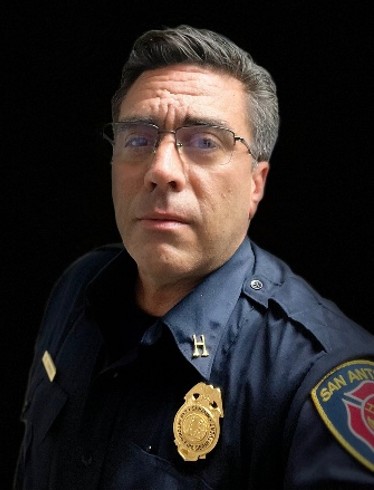
Mr. Torres ended the presentation by relating his story as a firefighter with cancer.
He was diagnosed with duodenal adenocarcinoma in 2009, at age 39, due to occupational exposures. After a Whipple procedure for 13 hours, chemotherapy was initiated, followed by radiation. The cancer returned in 2012 in the colon, resulting in a total colectomy, and returned again in 2014 in the bladder, resulting in a transurethral resection.
Mr. Torres related the emotional and physical pain of going through the cancer journey multiple times, and the hardship endured by his family. His story highlights the importance of cancer prevention for firefighters.
By The Numbers
142
Percent
Expected rise in Latino cancer cases in coming years