by
by 
Share On Social!
This content is from UT Health San Antonio’s book, “Advancing Cancer Research for Latinos and All Populations: 2026 Conference Proceedings,” which highlights results of the same-named conference in February 2026.
Ruben A. Mesa, MD, FACP
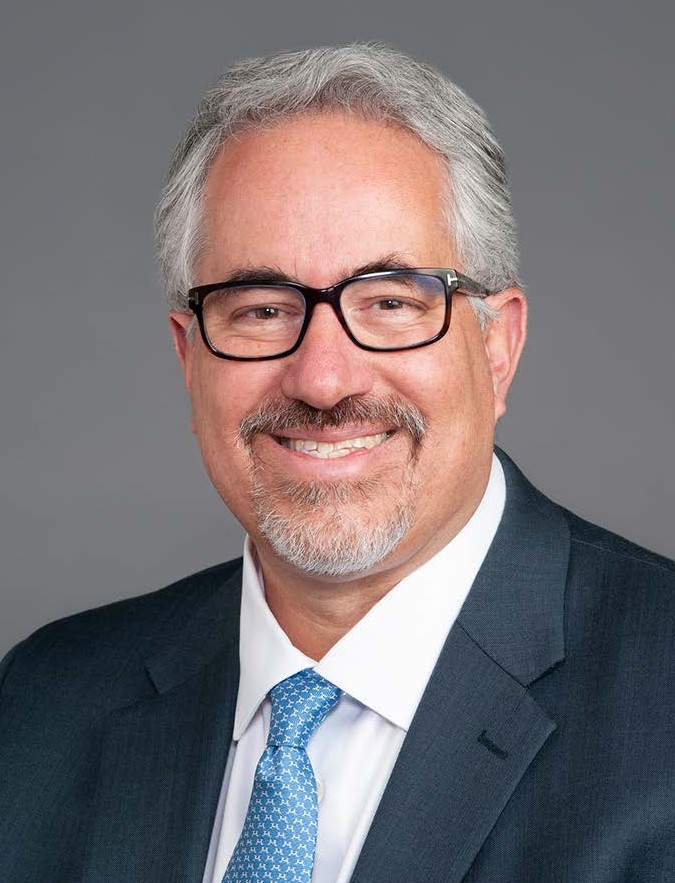
Dr. Ruben Mesa is the Director of the Atrium Health Wake Forest Baptist Comprehensive Cancer Center, which serves 30 counties in Western North Carolina and South Carolina. Dr. Mesa stressed that no matter the headwinds affecting cancer research, leadership must keep focus on the North Star: to make an impact on cancer. This can be achieved through collaboration, and through remembering that the only competition is against cancer, not each other.
Community Outreach and Engagement (COE), along with the local partnerships involved in these efforts, is central to this mission. Bidirectional communication with local partners enables Cancer Centers to combat misinformation among the local population. Providing reliable information with humility helps foster credibility and trust. Meaningful engagement also requires listening. When a Cancer Center seeks to implement an intervention, local partners play a critical role in gathering input and determining the most effective ways to approach individuals in the area. Building trust is essential for successful interventions.
Carlos Arteaga, MD
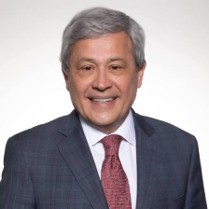
Dr. Carlos Arteaga is the Director of the Harold C. Simmons Comprehensive Cancer Center, which serves the Dallas/Fort Worth area of Texas. Dr. Arteaga stressed 3 important aspects of leadership of a Cancer Center: fairness, decisiveness, and generosity. A Cancer Center must engage in outreach to the catchment area that it serves through Community Outreach and Engagement (COE). Key to that effort is the appointment of an advisory board that is representative of the local area, including local influencers, religious leaders, corporate leaders, and more.
Two initiatives of the Cancer Center that were highlighted by Dr. Arteaga include a breast cancer prevention service and collaboration with regional centers to share clinical trials. Breast cancer prevention services and screenings are offered in 104 counties in Texas, working with hospitals in the region. Collaboration with regional centers means that individuals at those centers have access to the same clinical trials as individuals at the Cancer Center in Dallas.
Robert A. Winn, MD
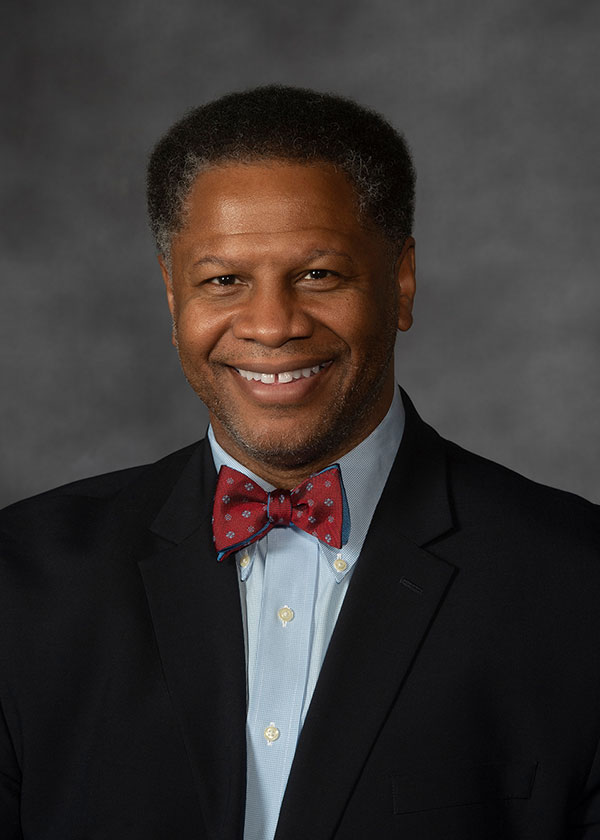
Dr. Robert A. Winn is the Former Director of the Virginia Commonwealth University (VCU) Massey Comprehensive Cancer Center and Current Director of the Fox Chase Cancer Center. Dr. Winn discussed the importance of pragmatism in leadership and the value of maintaining a clear-eyed, focused perspective. Part of that pragmatism is humility, which creates the freedom to ask questions without fear. Asking questions and remaining committed to continuous learning enables good leaders to solve problems and move initiatives forward. These qualities are especially important in the current political climate.
One vital area cancer centers should focus on is sharing stories with the public to promote greater understanding of cancer research and the significant progress that has been made. Because of these advances, approximately 70% of individuals diagnosed with cancer in 2026 are expected to become cancer survivors. This reflects the positive momentum behind cancer research. Cancer centers also provide substantial value to the communities in which they are located by stimulating economic development and creating jobs and opportunities. When the public understands the importance of cancer research and cancer centers, legislators are more likely to recognize and support the value of these efforts as well.
Lei Zheng, MD, PhD
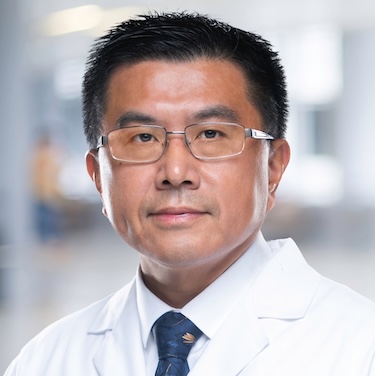
Dr. Lei Zheng is the Director of the Mays Cancer Center at UT Health San Antonio, which serves the South Texas catchment area. Dr. Zheng emphasized that although there have been challenges in healthcare and cancer research, challenges also present opportunities. Loss of federal funding has spurred more collaboration and partnerships with local organizations such as military healthcare institutions and Texas biomedical institutions. This collaboration has enabled the pooling of resources, but it has also enabled a more focused approach to research, with more emphasis on cancers that affect the local population.
Local partnerships also support long term initiatives, such as training oncologists from the South Texas area who will return to serve their communities. There is a significant need for oncologists in this catchment area, especially those who understand the cultural landscape. Short term initiatives are equally important, including cancer screening programs for diseases with a high prevalence in the region, such as liver cancer. These collaborations enable a multidisciplinary, team-based approach to patient care.
By The Numbers
142
Percent
Expected rise in Latino cancer cases in coming years