 by
Share On Social!
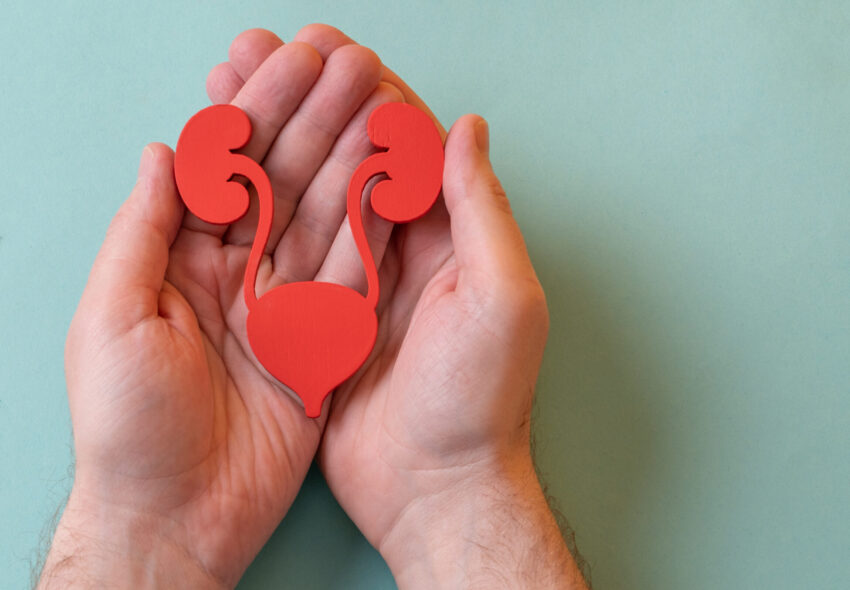
100 million people in the U.S live with a bladder health issue.
Some groups have more problems than others. Women are more likely to have bladder-related health issues, such as urinary tract infections (UTI) and urinary incontinence (UI). Latinos have significantly lower survival rates for bladder cancer.
November is recognized as Bladder Health Month, a time to spread awareness and highlight helpful tools and information on bladder health.
Let’s look at a few organizations with tips, resources, and more.
1. National Association for Continence
The National Association for Continence (NAFC) provides an online library of resources on bladder health and hygiene, men’s conditions, overactive bladder, and more.
NAFC also has a webpage dedicated to bladder health at any age.
Treatment tips, therapies and procedures, and information on where to start when experiencing incontinence are also available through the NAFC website.
There’s also resources for caregivers, including information on reimbursement and insurance, homecare, and safety tips.
“NAFC’s objectives are to take the stigma out of incontinence, to promote prevention, to motivate individuals to seek treatment and to provide collaborative advocacy and service for those who are affected by this problem,” the website states.
For more resources, view the full NAFC website.
2. Urology Care Foundation
The Urology Care Foundation supports urologic research and aims to provide reliable urologic health information and resources.
Through the foundation’s website, patients can access several bladder health resources like fact sheets, patient guides, videos, and other tools.
Patients can also find care blog posts on different bladder health topics.
Resources can also be found in Spanish.
3. National Institute on Aging
The National Institute on Aging (NIA) has a webpage dedicated to bladder health.
Patients and caregivers can find:
- A tip sheet on ways to keep your bladder healthy
- An infographic on keeping your bladder healthy
- Additional information on urinary incontinence
“People rarely talk about bladder health, but everyone is affected by it,” according to the NIA.
4. The Urology Foundation
Patients, families, and caregivers can also navigate through the Urology Foundation’s website for resources.
“Based on research outcomes, we drive real change to improve outcomes for all those affected by urology disease,” the foundation states.
The foundation also has information on different bladder health conditions, including overviews, symptoms, treatment, bladder leakage, and more.
Find more information here.
Improve Health in Your Community
Bladder health contributes to our overall health.
But what about the state of health in their community?
Find out by downloading a Salud America! Health Report Card for your town!
Enter your county name and get auto-generated local data with interactive maps and comparative gauges on several health indicators. This can help you visualize and explore local issues in education, housing, transportation, food, health, and more.
See how your county stacks up compared to the rest of your state and nation.
Then email the Report Card to local leaders to raise awareness, include the data in a presentation or grant proposal, or share it on social media to drive healthy changes in your community!
By The Numbers
142
Percent
Expected rise in Latino cancer cases in coming years