 by
by 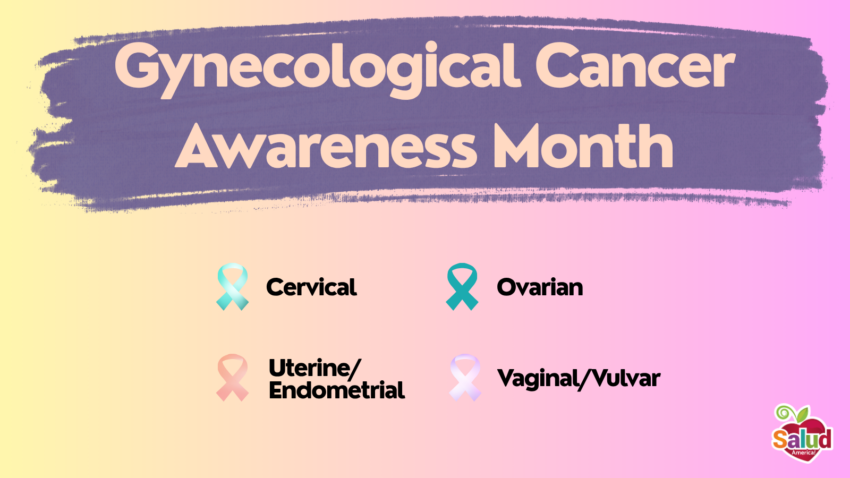
Share On Social!
The human reproductive system is an intricate network of structures, tubes, and organs that are responsible for giving life.
But sometimes, it can also be a source of pain, discomfort, and disease.
This includes gynecological and reproductive cancers, such as cervical cancer.
Due to background-based stigmas, incorrect information, lack of access to reproductive care, and few women doctors, these cancer diagnoses can be difficult to accept and even harder to catch.
For National Gynecological Cancer Awareness Month, we are breaking down the top eight things to know about reproductive cancers.
1. There Are 5 Major Gynecological and Reproductive Cancers
Gynecological cancers consist of 5 major cancer types.
Cervical cancer. This is classified by the presence of cancerous cells that begin in the cervix. One of the biggest factors in developing cervical cancer is having human papillomavirus, or HPV. Certain strains of HPV are preventable through the HPV vaccine and greatly reduce cervical cancer risk, according to Mayo Clinic.
Ovarian cancer. This develops in the ovaries, which is a part of the reproductive system responsible for producing eggs. Ovarian cancer can be harder to detect because the symptoms, which include bloating, fatigue, and stomach distress, often mirror other conditions, according to the Mayo Clinic.
Uterine/endometrial cancer. This group of cancers is defined by cancerous cells present in the uterus. Endometrial cancer develops in the inner lining of the uterus while uterine cancer develops in the muscle wall of the uterus. However, endometrial cancer is more common, making up 95% of all uterine cancers, according to the Cleveland Clinic.
Vaginal cancer. This impacts the reproductive system and can spread to other parts. It’s a fairly rare cancer, but if not caught early, it can be difficult to treat, according to Mayo Clinic.
Vulvar cancer. This begins in the vulva, which is the skin that surrounds the urethra and vagina. One of the most common symptoms of vulvar cancer is a lump or sore on that area. While this type of cancer is more commonly diagnosed in older adults, it can happen at any age, according to Mayo Clinic.
2. Understand Reproductive Cancer Symptoms
While symptoms and severity of symptoms vary by type of reproductive cancer and stage, there are a few warning signs that you should be aware of.
If you notice new, persistent, unusual, or worsening symptoms, such as abnormal bleeding, persistent pelvic or abdominal pain, bloating, changes in urination or bowel habits, and noticeable skin changes like lumps or itching, you should get checked by a doctor.
However, many of these symptoms could be easily mistaken for other medical conditions, and cancer could be misdiagnosed, go untreated, or dismissed entirely.
Delay in care can cause cancer to spread and become more aggressive and more difficult to treat.
It’s important to listen to your body and understand what’s normal to you. If you have a concern, visit to your gynecologist or primary care provider and advocate for your health.
3. Understand Gynecological and Reproductive Cancer Risk Factors
There are several risk factors that could increase your risk of gynecological or reproductive cancer.
Modifiable risk factors such as weight, diet, and smoking can factor into your risk for cancer.
Then there are other factors that can play a role in a cancer diagnosis.
Your age, genetics, and family history can put you at higher risk for getting some of these cancers.
When it comes to cervical cancer, HPV can increase your risk of cancer.
4. Gynecological and Reproductive Cancer Prevention
HPV continues to be a leading risk factor for gynecological cancer, including cervical, vaginal, and vulvar cancers.
Receiving the HPV vaccination between ages 11 and 12 can help prevent certain strains of the HPV virus before exposure and reduces the risk of cancer, according to the CDC.
In fact, a new study out of the UK has discovered that since the introduction of a national program to promote the HPV vaccine, cervical cancer deaths have dropped dramatically.
Undergoing regular screening tests for cervical cancer can help detect cancer at an early stage.
While there is no way to prevent ovarian cancer, researchers have identified tubal removal, use of birth control pills, giving birth, and breastfeeding have been linked to a reduced risk of cancer, according to the Centers for Disease Control and Prevention (CDC).
Other ways to prevent cancer risk is by changing modifiable behaviors, such as weight, diet, and physical activity.
5. Gynecological and Reproductive Cancer Incidence
Gynecological cancers impact 116,000 U.S. women every year, according to the Barbara Ann Karmanos Cancer Institute at Wayne State University.
Most new cases are from endometrial and uterine cancers with an estimated 67,880 new cases in 2024 followed by ovarian at 19,700 and cervical cancer at 13,820.
Vulvar cancer makes up 6% of new gynecological cancer diagnoses, and vaginal cancers make up only 1% to 2%.
When it comes to age, uterine cancer is diagnosed on average at age 60, ovarian cancer between ages 55 and 65, cervical between 35 and 44, along with women who aren’t screened, and vaginal and vulvar cancers between 62 and 70, according to the American Cancer Society (ACS).
When it comes to background, there are higher rates of uterine cancer among Black women, ovarian cancer in white women, and cervical cancer in Latina and Black women, according to the Barbara Ann Karmanos Cancer Institute at Wayne State University.
These differences are linked to access to screenings and other preventable healthcare, such as the HPV vaccine.
6. Find Gynecological and ReproductiveCancer Resources
Depending on the type of cancer and stage, resources are available to help those impacted by reproductive cancers find treatment, support services, and clinical trials.
But it’s important to know where to look.
The National Cancer Institute (NCI) offers counseling, genetic counseling, support groups, and wellness programs for survivors.
To help with prevention and education, the CDC developed a booklet to teach women about their bodies and how they can take steps to improve their health.
Foundation for Women’s Cancer, a nonprofit that raises awareness about gynecologic cancers, provides education, webinars, clinical trial support, and educational courses in multiple languages.
Another organization focused on gynecological cancer is SHARE Cancer Support.
The organization has been serving women for the last 50 years by providing education, support groups, community outreach, and more.
For direct support, you can call their national support helpline at 844-275-7427.
They also offer support in multiple languages, including Spanish.
For cancer-specific resources check out:
Cervical Cancer
Ovarian Cancer
Uterine/Endometrial
HPV Cancers
7. Volunteer for a Cancer Clinical Trial
One way to help women diagnosed with gynecological and reproductive cancer is by finding new ways to treat and prevent cancer.
These strategies are tested in a safe and controlled environment and can help improve cancer symptoms and support better health outcomes.
But more needs to be done to make sure these strategies work for everyone.
Too few Latinos participate in clinical trials, which means there is no data to support the benefits of the intervention for this group.
You can help future generations of cancer survivors by participating in a clinical trial or research study.
“Volunteers in clinical trials are not only helping themselves, but they’re also building a future with potentially better treatments that can help their families in the future,” said Dr. Amelie Ramirez, director of Salud America! and the Institute for Health Promotion Research at UT Health San Antonio.
Visit our clinical trials page to find a clinical trial, read about hero volunteers, and more!
If you live in San Antonio, find clinical trial opportunities at the Mays Cancer Center at UT Health San Antonio’s Find a Clinical Trial database.
On a national level, visit clinicaltrials.gov to find a clinical trial near you.
8. Share Your Gynecological Cancer Survivorship Story
Women, especially Latinas, continue to face shame and stigma around reproductive cancers.
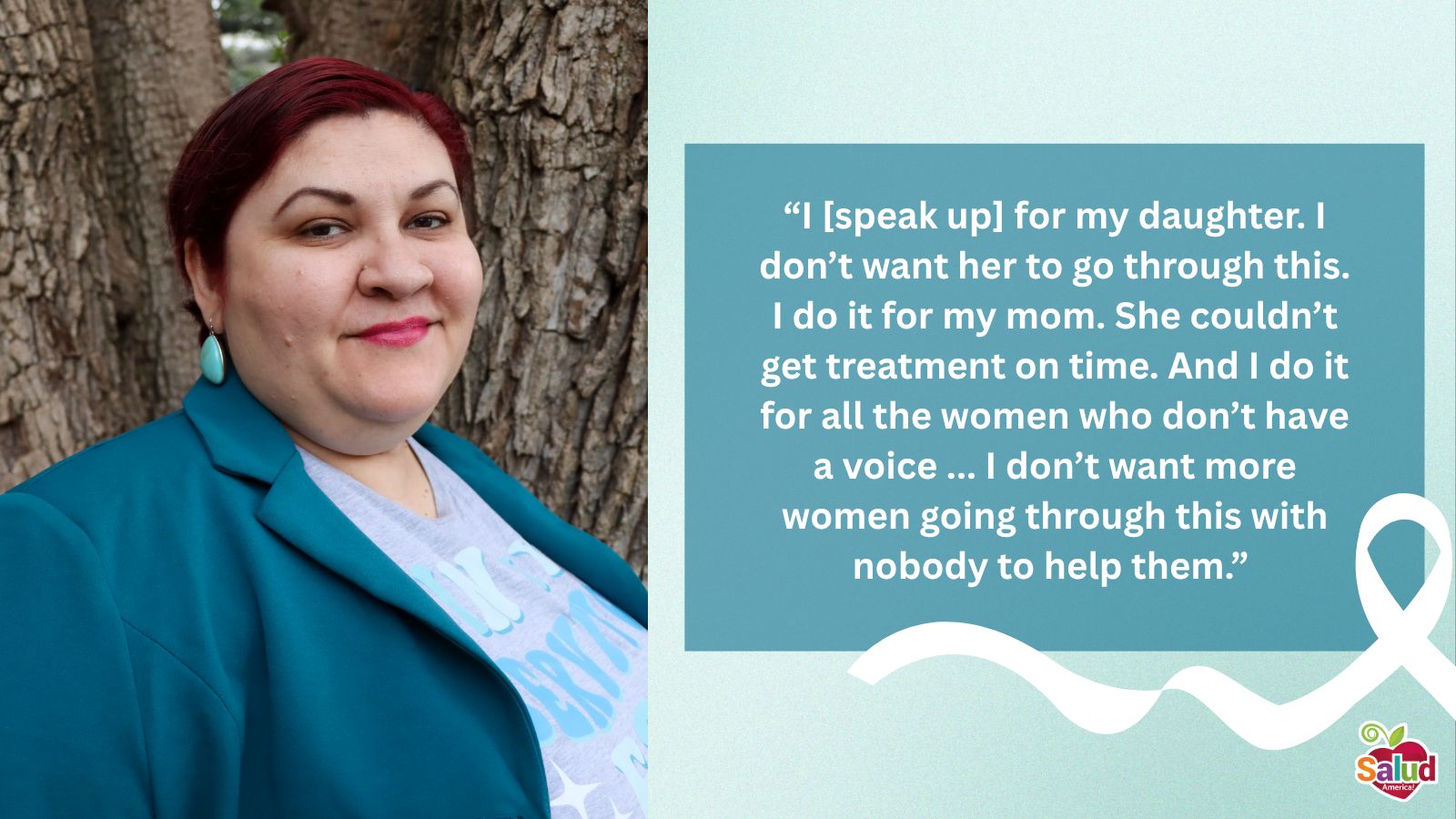
“The reason these types of cancers are rising is because people don’t talk. Women don’t want to talk about it. They feel too much shame,” cervical cancer survivor and Latina patient advocate Claudia Perez-Favela told Salud America!
Come back on Friday, Sept. 18, 2026, to read Claudia’s full survivor and advocacy story.
Talking and being open about reproductive cancers is one way to help future survivors.
Share your cancer experience with the Avanzando Caminos Hispanic/Latino Cancer Survivorship Study at the Institute for Health Promotion Research at UT Health San Antonio.
By gathering the stories of Latino survivors, the study team hopes to learn more the factors that mark the Hispanic/Latino cancer survivorship journey in South Texas.
Under the management of Dr. Derek Rodriguez, the study team is meeting with 1,500 participants in South Texas over the course of seven study visits spread out over five years in hopes that certain patterns may emerge.
By isolating this data, the study team hopes to address inconsistencies in cancer care related to the non-medical drivers of health and come up with interventions that ultimately go toward bettering the lives of future cancer survivors.
“We want to be able to empower others to share their story as well. And we want to be able to better understand, detect, treat, and prevent cancer in the long run for other future survivors,” Dr. Rodriguez said.
To volunteer for Avanzando Caminos or ask questions, contact Dr. Ramirez’s team at the Institute for Health Promotion Research at UT Health San Antonio at 210-562-6514 or caminos@uthscsa.edu.
Alternatively, visit the Avanzando Caminos website in English or Spanish to fill out a quick eligibility survey and a member of the study team will be in touch!
SHARE YOUR STORY WITH AVANZANDO CAMINOS!
Explore More:
CancerBy The Numbers
142
Percent
Expected rise in Latino cancer cases in coming years