by
by 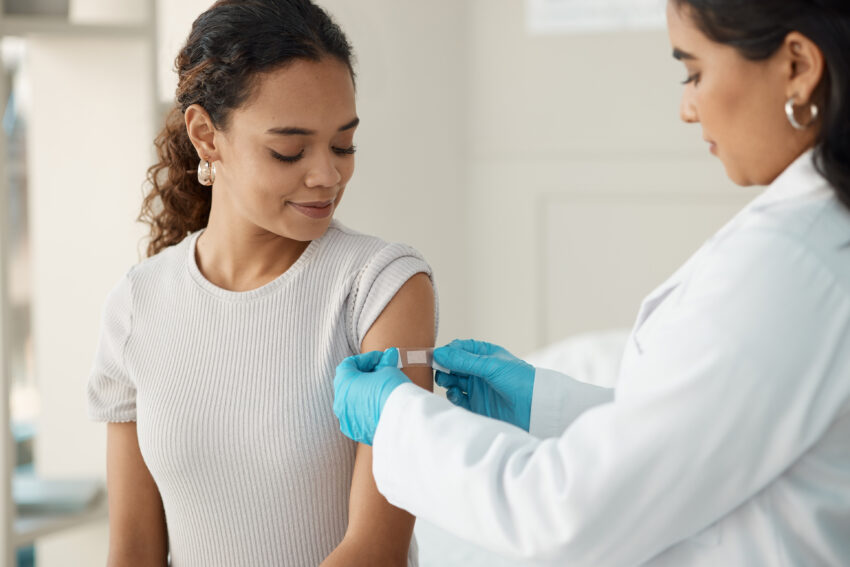
Share On Social!
Cervical cancer continues to harm women across the globe, including Latinas, who are twice as likely to be diagnosed than other women.
The good news is that cervical cancer is highly preventable.
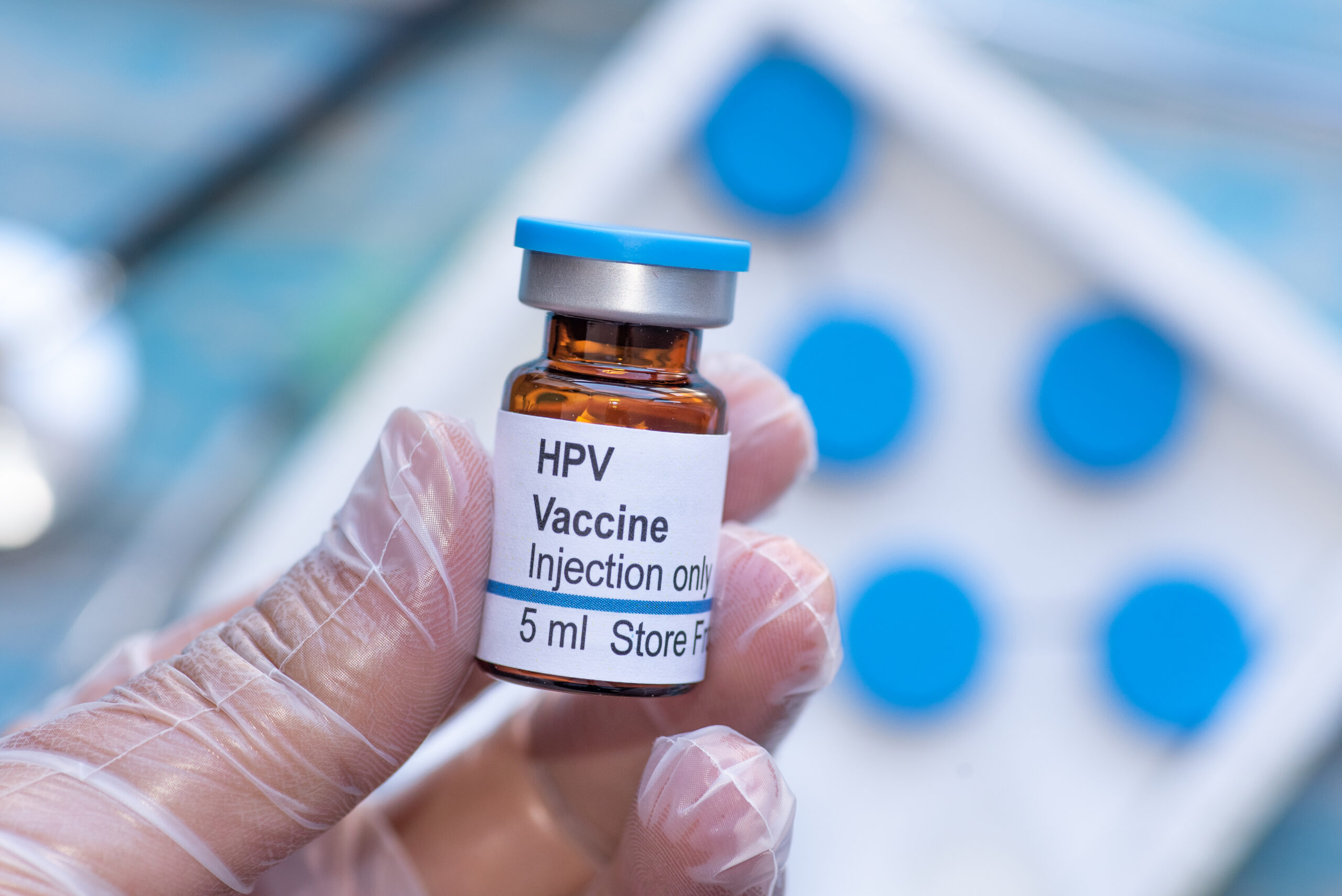
Along with routine screenings, the HPV vaccine can prevent or minimize the risk of getting the virus that causes cervical cancer.
In fact, a new study out of the UK has discovered that since the introduction of a national program to promote the HPV vaccine, cervical cancer deaths have dropped dramatically.
This study highlights the effectiveness of the vaccine when given at the appropriate age.
Let’s dig into the study findings and what they mean for the future of cervical cancer.
Study Findings
In Cervical cancer mortality trends following HPV vaccination in English, 2001-24: an analysis of population-based mortality data, researchers examined cervical cancer health outcomes in girls who received the HPV vaccine.
These statistics were gathered in England following the introduction of a national HPV vaccination program in 2008.
The national vaccination program vaccinated girls 12-13 years old.
That same year, a catch-up program was done to vaccinate girls ages 14-18.
 The program achieved a coverage rate of 80 to 90% before the pandemic.
This data was cross-referenced with cervical cancer mortality data in this group over several years (encompassing women aged 20-24, 25-29, and 30-34).
What they found was that cervical mortality rates in women who received the HPV vaccination through this program were significantly diminished.
Women who received the vaccine between 12 and 13 years old, experienced no deaths from cervical cancer, compared to the 23 expected cervical cancer deaths in the 20-24 age group.
Cervical cancer mortality dropped by 80% in women aged 20-24 in 2015-2019 and 69% in women aged 25-29 in 2020-2024, according to study findings.
Researchers estimate that the vaccine helped avert an estimated 200 cervical cancer deaths, and possibly even more, according to a campanion article about the study in NewScientist.
What’s more, they project that lives saved by the vaccine could rise to 18,000 in the future.
HPV Vaccination Program in England
The dramatic drop in cervical cancer deaths can be attributed to the high HPV vaccination rate in England, which was achieved through a national vaccination program.
This program called Arm Against Cancer offered HPV vaccines to all girls 12-13 years old since September 2008 and boys since September 2019.
The vaccine administered is meant to protect those who are vaccinated against nine types of HPV, which can cause cancer.
The program aimed to increase vaccination in at-risk populations, eliminate barriers to access the vaccine, and meet students where they were at.
HPV Vaccination Program in the U.S.
England wasn’t the only country to launch a national HPV vaccination campaign — the U.S. introduced its own vaccination campaign.
The country’s aim at getting girls vaccinated for the virus included changing vaccine recommendations and adhering to the recommended schedule.
However, the U.S. did not address some of the key limitations driving vaccine hesitancy and access.
There continues to be many challenges to getting vaccinated, including vaccine access (limited to health provider and pediatrician’s offices, pharmacies, etc.), mistrust in vaccinations due to the spread of incorrect information, lack of health insurance, and more.
A vaccination program that provided free vaccines to school-aged children in the U.S. could have a huge impact on future cases of cervical cancer and cancer-related deaths, experts say.
Cervical Cancer Prevention via Vaccine
This study highlights the importance of cervical cancer prevention at a young age.
Because the virus that causes cervical cancer is transmitted through skin-to-skin contact, the vaccine is only effective in preventing exposure to the virus.
Meaning, it’s at its most effective before coming into contact with the virus, so getting the vaccine at an early age is recommended in preventing the disease that causes cervical cancer and death from cervical cancer.
The vaccine doesn’t cure or treat those who are already exposed to the virus, but the vaccine may prevent other forms of HPV.
What’s more, those who have HPV may show few or no symptoms.
As of 2023, more than 280 million doses of the vaccine have been administered across the globe (120 million in the U.S. and 10 million in the UK), according to vaccine program literature.
Follow the vaccine recommendations for your age group.
Cervical Cancer Prevention via Screening
While the vaccine may minimize risk for cancer-causing viruses, the vaccine isn’t the only way to help address cervical cancer.
To get the best prevention, vaccines should be paired with recommended cervical cancer screenings.
In the U.S., women are advised to begin cervical cancer screenings by age 21 and should be screened every 3 years until age 29 with women older than 30 getting screened every 5 years, according to the CDC.
Prevention for those with a family history of cervical cancer may look vastly different and should discuss preventative care with their provider.
For questions about the vaccine, HPV, and cervical cancer risk, please talk to your health care provider.
read more about the hpv vaccine
Health Care Access in Your Community
What does health care access look like in your community?
Find out by downloading a Salud America! Health Report Card for your town!
Enter your county name and get auto-generated local data with interactive maps and comparative gauges on several health indicators. This can help you visualize and explore local issues in education, housing, transportation, food, health, and more.
See how your county stacks up compared to the rest of your state and nation.
Then email the Report Card to local leaders to raise awareness, include the data in a presentation or grant proposal, or share it on social media to drive healthy changes in your community!
By The Numbers
142
Percent
Expected rise in Latino cancer cases in coming years