by
by 
Share On Social!
Blood cancer, which includes lymphoma, leukemia, and multiple myeloma, is on the rise in the U.S., impacting 1.7 million Americans and accounting for 10% of all new cancer diagnoses in the U.S., according to Blood Cancer United.
With the rise of diagnoses, researchers are scrambling to find ways to tackle blood cancer, but they need help from volunteers for clinical trials.
Clinical trials are studies with volunteers that enable advances that can prevent, slow, manage, and treat diseases like blood cancer.
But not everyone has access to clinical trials.
Language hurdles, complex medical jargon, unpredictable costs associated with participation, and lack of access to reliable transportation all keep clinical trials out of reach from those who would benefit most from them.
To address some of these hurdles, Blood Cancer United has developed a clinical trial nurse navigator program to help patients through the clinical trial process.
Let’s go over the free program and how it can help you.
Clinical Trial Nurse Navigator Program
Blood Cancer United’s Clinical Trial Nurse Navigator Program connects potential volunteers with registered nurses who have expertise in pediatric and adult blood cancers.
Nurse navigators provide free, one-on-one support.
They educate patients and their families about clinical trials, help patients find and enroll in clinical trials, identify financial assistance programs, and provide support throughout the clinical trial process.
Not only can patients sign up for the program, but they can also search a database to find blood cancer clinical trials.
What’s more, health care professionals can refer their patients to this program.
Blood Cancer United also has other tools and resources to help support blood cancer patients with clinical trials. These include hearing about patient experiences, listening to talks on clinical trials, viewing frequently asked questions about clinical trials, and providing additional support through their hotline.
Browse clinical trial resources
About Blood Cancer United
Formerly, The Leukemia & Lymphoma Society, Blood Cancer United is an international organization dedicated to extending the lifespan of people with blood cancer.
They do this by supporting research, support, and advocacy for those impacted by blood cancer.
Specifically, they fund science and research that moves the needle on cancer treatment, helps patients and families access affordable care, supports for the blood cancer community, and offers resources for survivorship, caregiving, clinical trials, and more.
The new Clinical Trial Nurse Navigator Program is part of the organization’s work to improve access to care at every stage of a blood cancer diagnosis.
How Do Clinical Trials Help Blood Cancer Patients
A clinical trial is a rising option for treatment and symptom management for blood cancer, including lymphoma.
Just ask Arnoldo Rodriguez.
The South Texas resident and lymphoma cancer survivor didn’t just participate in one clinical trial — but two.
Rodriguez credits receiving CAR-T cell therapy through a clinical trial with saving his life.
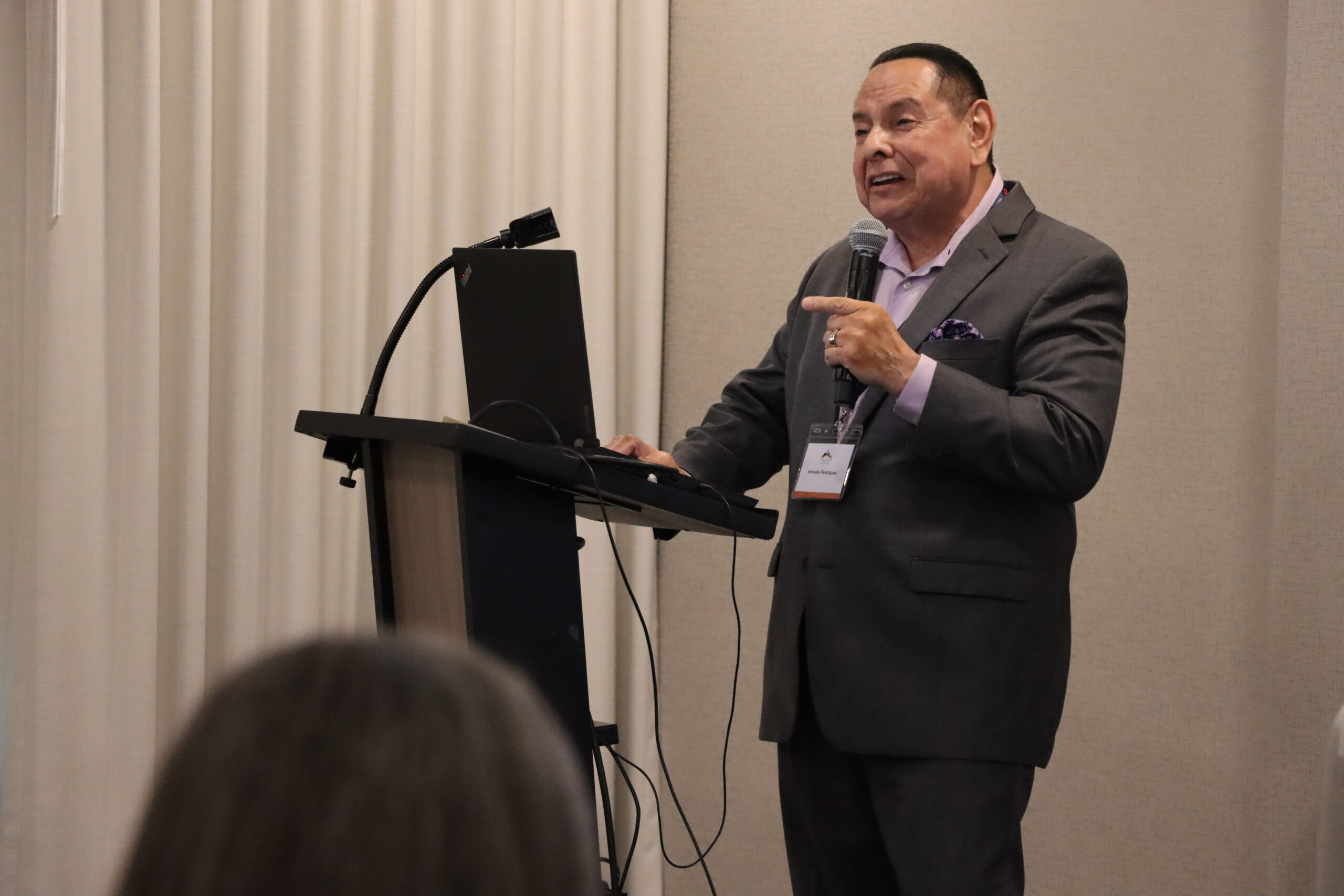
“The clinical trial was my lifeline,” he told Salud America! “[Clinical trials] are not a last resort; it’s a lifeline.”
Now Arnoldo is spreading the word about clinical trials by sharing his story on conference panels, webinars, and with Salud America! so that others can understand how important clinical trials are for survivorship.
In early 2026, Arnoldo joined over a dozen other Latino cancer survivors in participating in the Latino Cancer Patient Advocate Training Program.
The program, co-led by Barbara Segarra-Vázquez of the University of Puerto Rico and Sandi Sandford of the Alamo Breast Cancer Foundation, teaches cancer survivors to become research patient health advocates who help others navigate the healthcare system and raise the Latino voice in research.
“Programs like these are important because we know more and more folks to not have access to health care. And more and more the types of cancer that our people have are increasing. There’s a lot of quality care out there, we just need to get the right resources out there and provide them with some good information,” Arnoldo said.
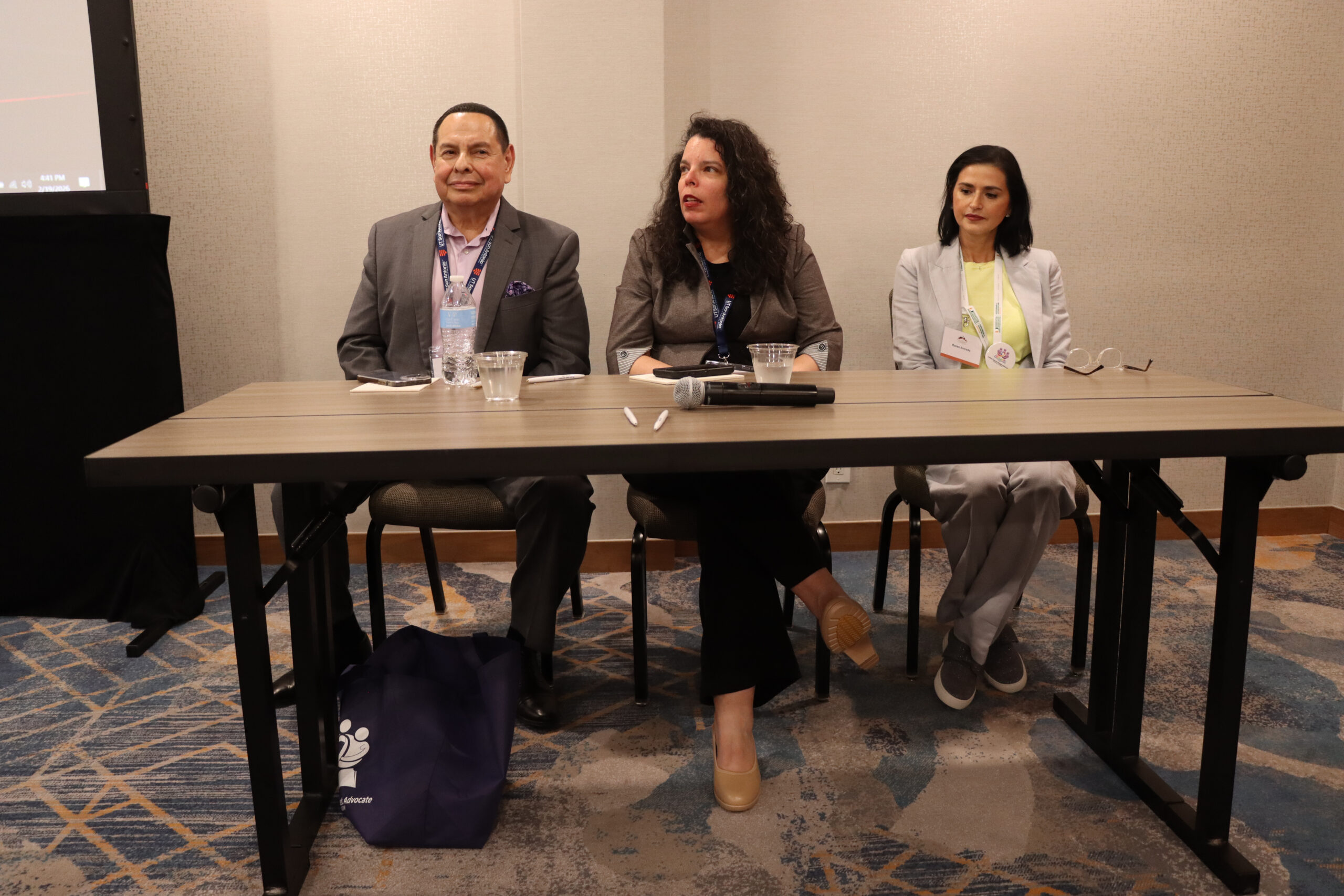
Following the in-person portion of the program, he joined a fellow advocate and a representative from Blood Cancer United on a survivorship panel at the 2026 Advancing Cancer Research in Latinos and All Populations Conference, which is held biennially in San Antonio, Texas.
The panel shed light on the challenges facing many blood cancer patients and survivors and how clinical trials are a strong treatment options, especially in more advanced stages.
“As a patient advocate for Latinos and all others, I would say do the clinical trial. The evidence right now is showing that perhaps the clinical trial could become the standard of care for lymphoma patients,” Arnoldo said.
Explore Clinical Trials Near You
How can you find open clinical trials to participate in?
Look to Salud America!’s clinical trial page to find a research opportunity or learn from role models who have participated in a trial, like Diana Ortiz, Yoli Day, and Leonel Rodriguez.
“Volunteers who participate in clinical trials have the potential to help themselves, and contribute to the development of new treatments for people in the future,” said Dr. Amelie Ramirez, director of Salud America! and the Institute of Health Promote Research at UT Health San Antonio.
Those looking for opportunities based in San Antonio can search the Mays Cancer Center at UT Health San Antonio’s Find a Clinical Trial database to learn more about available clinical trials and eligibility requirements. Learn more about community outreach and engagement, too.
On a national level, visit clinicaltrials.gov to find a clinical trial near you.
By The Numbers
142
Percent
Expected rise in Latino cancer cases in coming years