New reports reveal that childhood obesity rates are declining and the national diet is improving.
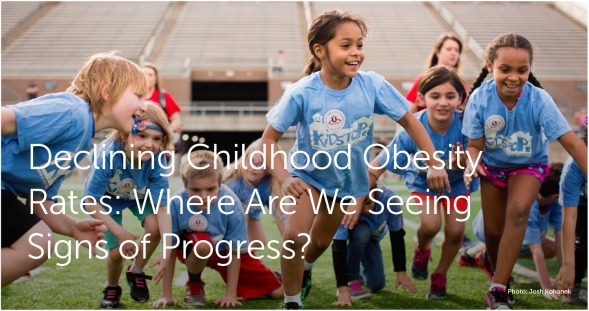
According to the Robert Wood Johnson Foundation, communities of color and low-income are more likely to be hit by higher rates of childhood obesity, however, states across the nation have shown signs of progress! For example, Georgia has seen a 10.8% decline in obesity among children ages 2-4, New Mexico has also seen a 15.1% and 11.1% decline in overweight and obesity among children, and in a Wisconsin school district, a report shows a combined overweight and obesity decline of 30.2%.
How are these communities ensuring healthy weights for kids?
Communities are building a culture of health by working together to increase consumption of healthier foods and beverages and increase physical ...
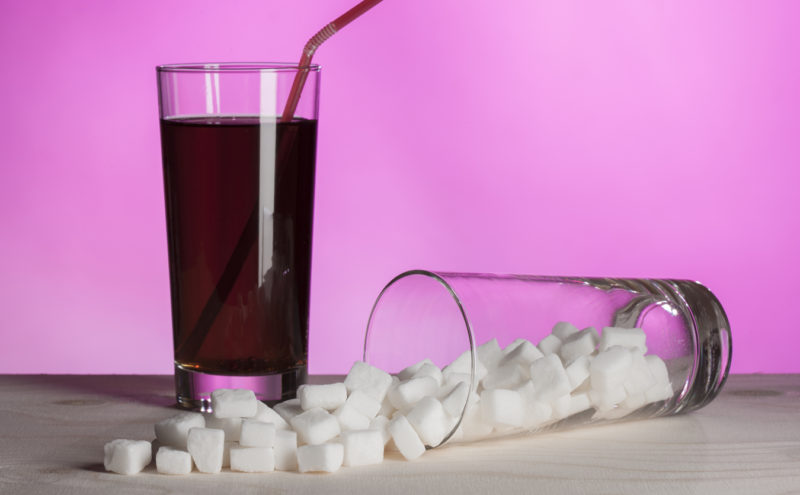
Two years ago San Francisco, Calif. tried to put a two-cents-per-ounce tax on sugary beverages, the proposal failed at 54.4% of the vote falling short, now trying again the proposal looks at a penny per ounce tax with proceeds going towards health programs. The proposal for the new tax was set to be placed on the ballot last month, but signatures were turned into late, according to a recent article. A warning label law on the health risks associated with consumption of soda is still being considered in San Francisco as well. Advocates of these new efforts towards soda tax laws reveal the evidence to their communities and council members of the high amounts of sugar in many soda or sweet drinks, which have no nutritional value, are the leading causes of diabetes and obesity among ...
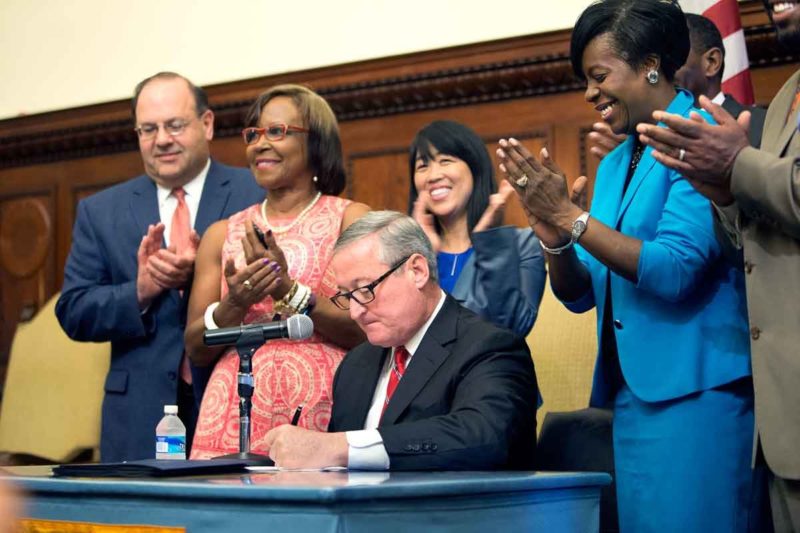
The new 1.5-cent tax per ounce on sugary and diet beverages in Philadelphia is official, as Mayor Kenny signed the bill into action on Monday, June 20th at City Hall. The taxes will not include baby formula and beverages more than 50 % fresh fruit/vegetables or milk, or are considered "medical foods", but will include artificially sweetened waters and bottled coffees. The new tax is projected to raise over 90 million dollars a year to help expand the city's pre-k and improve health through community and school efforts. The next step is implementing the law with retailers and distributors in January and collecting taxes. Payments of the taxes from distributors to the city taxes will start in mid-February, reported Deputy Revenue Commissioner Marisa Waxman to The ...
The City Council of Stockton, California (32.5% Latino) has unanimously passed a new ordinance to reduce sugary beverage consumption among kids. The ordinance will require all restaurants in the city that offer kids meals to offer water and low-fat milk as the only default beverages. Cities across the country, in Davis, Calif, Philly, Illi., Denver, Colo., Virginia and more, are working on reducing sugary beverage consumption among kids and teens, as soda's and energy drinks with high sugar content have been shown to be the products that contribute most to added sugars in a child's daily diet. Research shows that about 74% of Latinos have had a sugary drink by age two. Having measures that reduce sugar consumptions at early ages of childhood, may help the healthy choice become ...
Update!: Major Victory for Philadelphia, 1st Major US City to Approve Sugary Drink Tax!! (June 16, 2016) Leaders in Philadelphia (13.6% Latino) have just scored a big win for Pre-K and public health with a newly enacted sugary drink tax! This week city officials voted to pass a 1.5-cent per ounce sugary drink tax in efforts to curb obesity and as a way to generate revenue for Pre-K, libraries, and parks and recreation programs. Fewer sugary drinks (i.e. sodas, sports drinks, energy drinks, and fruit-flavored drinks), means improved rates of heart disease, diabetes, and childhood obesity. According to the American Heart Association, most added sugars consumed by children come from sugary drinks. Many kids consume their own age in a number of drinks per week! For instance, the ...
Currently at Bozeman High School in Bozeman, Montana, students are still able to reach for their favorite soda or sports drink at lunch. According to a local news article, earlier this year, the high school was selling 2,000 bottles of Gatorade a month. Now, healthier beverages and school food recommendations from the schools' 15-member Food Service and K-12 Nutrition Education commission will be heard on June 12th, 2016. Soda's and sugary beverages high in sugar and have been shown in studies to be linked to higher risks of tooth decay, diabetes and heart disease. The commission committee hopes to change the beverage options at lunch, to allow healthier carbonated waters and juices, but take out the soda and sports drink options from the high school's cafeteria and vending ...
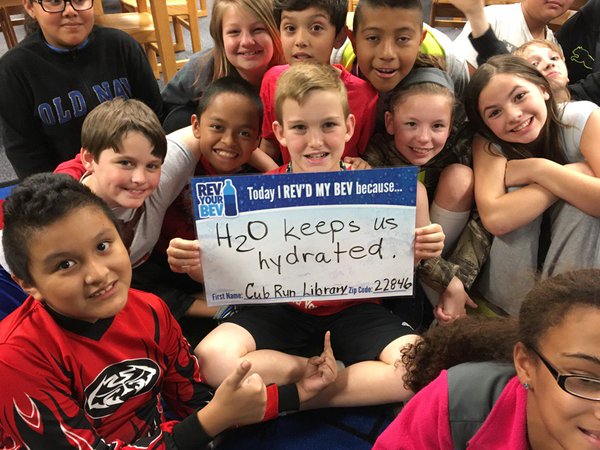
Students in Virginia are weighing in on the impact of soda and sugary beverages through the local public health "Rev Your Bev" campaigns. The campaign that aims at fighting obesity in kids and teens, where, according to a local article, 30% of teens are either overweight or obese, and according to the state's campaigns site, 33% of 5-19-year-olds consume at least one sugary beverage a day. The Virginia Foundation for Healthy Youth (VFHY) representatives have been visiting schools with the "Rev Your Bev" educational campaign informing students of the high amount of sugar in their favorite sugary drinks and having students taste test other healthier options, like infused waters. Even youth are getting in on the movement, where Virginia's largest youth-led movement, "Y-Street" ...
After certain business's like Providence Health & Services removed sugary beverages in 2015 as part of a healthier dining initiative, the city is now discussing it's view of sugary drinks. A once cent per ounce tax on sugary beverages is being proposed by a portland nonprofit, hoping to fund $22 million a year for children's health and education programs. Like the proposed tax in Philly, the funds from taxes would be for programs that promote healthier foods in schools, more physical activity and Pre-K for low-income families. Mel Rader, Upstream Public Health's Executive Director, explained in a recent article, that the tax would not only fund critical initiatives but also help reduce consumption of empty calories, linked to diabetes and other health conditions. To ...
According to a recent news article, the U.S. District Judge Edward Chen is now backtracking on his agreement for sugary beverage warning labels. Recently, Chen denied American Beverage Association (ABA) any more time in holding off in implementing the new warning label law, to take place on all ads by July 25, 2016. Now, Chen is placing the appeal on hold, considering not the ABA's free speech argument, but more so the San Francisco-based 9th U.S. Circuit Court of Appeals. According to the Wall Street Journal (WSJ), Chen granted an injunction pending appeal allowing the Ninth Circuit to weigh in on the issue as this was the first warning label on food products. Chen told the WSJ, that the time proposed on final say of the law's implementation date may be months away. To ...