By Dr. Fátima Coronado
CDC, Salud America! Guest Blogger Every year, the United States recognizes National Hispanic Heritage Month (NHHM) from September 15 to October 15, to celebrate the histories, cultures, and contributions of generations of Hispanic Americans born in and outside the U.S., who have helped to shape this diverse country. The theme for this year’s NHHM is Unidos: Inclusivity for a Stronger Nation. In Hispanic culture, unidos (in unity, with inclusivity) is associated with positive outcomes. Being unidos is necessary for getting through tough times, for meeting goals and getting things done together. NHHM provides an opportunity to acknowledge that while many health indicators have improved for most people in the U.S., significant disparities in health and ...
During Hispanic Heritage Month, Salud America! is celebrating Latino trailblazers, historical figures, and inspirational stories. In this article spotlight, we will recognize Ildaura Murillo-Rohde, PhD, RN, FAAN. Dr. Murillo-Rhode was a nurse and professor who strived to serve underrepresented communities and create equal opportunities for Latinos within health professions.
Early Life of Murillo-Rohde
Dr. Murillo-Rhode was born in on Sept. 26, 1920, in Panama. She immigrated to San Antonio, Texas, in 1945. Born into a family of health physicians, Rohde studied to become a nurse. Dr. Murillo-Rohde earned a nursing diploma from the Medical and Surgical Hospital School of Nursing in San Antonio, Texas, according to the NYAM Center for History. Early on, she realized ...
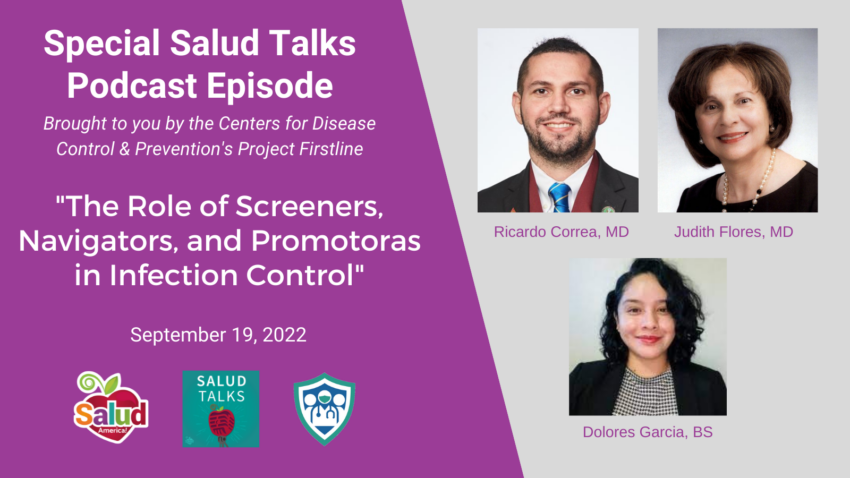
The pandemic revealed long-standing gaps in infection control knowledge and understanding among the frontline healthcare workforce. This is why CDC launched Project Firstline, a training and education collaborative designed to ensure all healthcare workers, no matter their role or educational background, have the infection control knowledge and understanding they need and deserve to protect themselves, their patients, and their coworkers. Salud America! at UT Health San Antonio, in partnership with the National Hispanic Medical Association (NHMA) and CDC Project Firstline, brings you a three-part episode podcast series, “Behind the Mask,” to explore infection control through three specific and diverse healthcare lenses: patient navigators/health screeners/community health ...
In childhood, many of us gazed into the night sky to glimpse a shooting star and make a wish. For Franklin Chang Diaz, he wished to explore the stars. Chang Diaz would go on to do just that after becoming the first Latino American to go to space after he was selected by NASA in 1980 and flew in a mission in 1986.
Early Life of Chang Diaz
Franklin Chang Diaz was born on April 5, 1950, in San José, Costa Rica. As a child he imagined himself being launched into space to explore the planets. “Growing up in Costa Rica, Franklin Chang Díaz and his friends would put chairs sideways inside a big cardboard box in his backyard and pretend it was a rocket ship. Sitting with their backs to the ground, they would go through the countdown, imitate the launch procedures they’d heard ...
It’s that time of year again! Join us as we recognize the historic achievements of Latinos in honor of National Hispanic Heritage Month Sept. 15 – Oct. 15, 2022. We’re kicking off this year’s celebration by highlighting the sacrifices of Latina “Rosies” who helped the US war effort during World War II.
What Are Rosies?
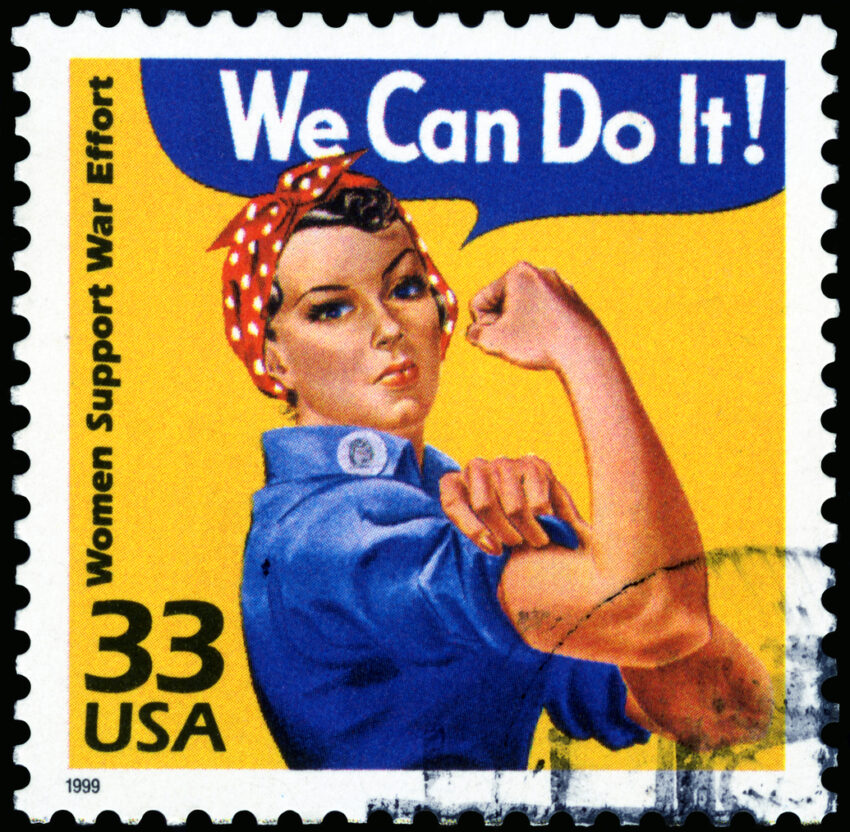
You may have seen the famous image of Rosie the Riveter – a determined, hard-working woman flexing her arm alongside the message, “We Can Do It!” Rosie, now an iconic image for female empowerment, was the star of a campaign to recruit women into traditionally male-held jobs during World War II. As males enlisted to serve in the war, women entered the workforce in never-before-seen numbers to offset the labor shortage, particularly in ...
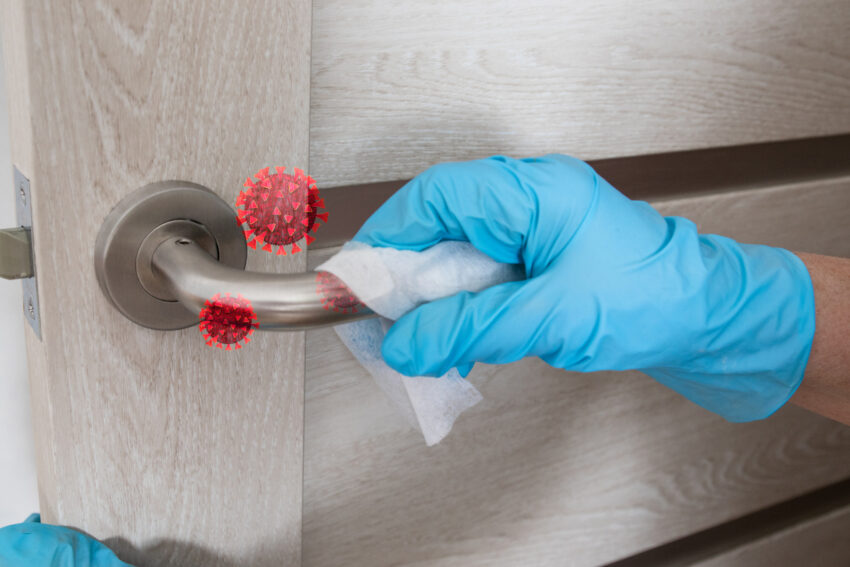
The main way that SARS-CoV-2, the virus that causes COVID-19, spreads between people is by respiratory droplets. These are the tiny droplets of water that come out when you talk, cough, and breathe out and that other people can breathe in. The most common way we get infected with COVID-19 is when we breathe in the virus. Although less common, we can also get infected when we touch a surface that has virus on it. “When you touch something that has live virus on it and then you touch your face without cleaning your hands first, you can get virus into your eyes, your nose, and your mouth,” said Dr. Abigail Carlson, an infectious diseases physician with the Centers for Disease Control & Prevention (CDC), as part of CDC Project Firstline’s Inside Infection Control video ...
Latinas have lower cancer screening rates than their peers in South Texas and the nation. To find out why, we conducted a Zoom webinar — “Ladies, Why Should You Get Screened for Cancer?” — at 1 p.m. CT on Oct. 4, 2022. This webinar featured guest speakers and patient advocates to help health care professionals and the Latino public to help health care professionals and the Latino public understand the cultural and other barriers to cancer screening and demystify screening tests. Speakers also shared testimonials of their cancer journey and why they get screened. This is the sixth and final webinar of a series, “Let’s Address Health Equity Together.” The series is a collaboration of the Salud America! program at the Institute for Health Promotion Research at UT ...
Hunger declined in the U.S. from 2020 to 2021, but 1 in 10 households were still food insecure ─ with no reliable access to enough food – according to a new USDA report. Food insecurity disproportionately impacted people of color, too. A higher percentage of Latino (16.2%) and Black (19.8%) households experienced food insecurity than White households (7%), the report found. Still, the problem could have been worse. “We know that matters would be far worse if not for the federal nutrition programs and the critical additional investments that were made to combat hunger during the pandemic,” according to a news release from the Food Action & Research Center (FRAC) about the new USDA data. Let’s explore the state of food insecurity among Latinos and the importance ...
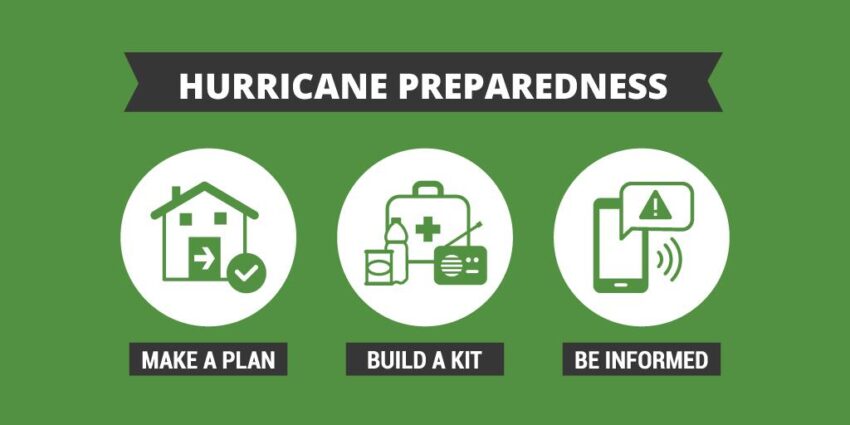
Hurricanes are one of mother nature’s most dangerous forces, causing flooding, heavy rainfall, high winds, and even tornados. Some hurricanes, including Hurricane Harvey (2017), Hurricane Katrina (2005), and Hurricane Sandy (2012) are infamous for destroying communities and entire cities, leaving many survivors without homes or possessions. Because hurricanes can be so destructive, it’s important to prepare in case one hits your area. Latinos, here’s everything you need to know about hurricane safety.
When is Hurricane Season?
Hurricane season varies depending on where you live in the United States. The hurricane season for the Eastern Pacific region, including California (40.2% Latino), lasts from May 15 – November 30. The Atlantic hurricane season, including ...