Evidence for Action, a national program of the Robert Wood Johnson Foundation, is seeking research proposals for up to $2.5 million to study innovative ways to "make health a shared value." This "shared value" involves individual, family, and community factors to renew a societal commitment to health and health equity. The new funding aims to understand what drives and enhances these values. Proposals, being sought for differing budgets of up to $2.5 million for up to 48 months of work, could use data from placed-based initiatives to see the effect on mindsets, sense of community, or civic engagement, and the impact on population health. "We seek evidence on the extent to which...mindsets and expectations, sense of community, and civic engagement can be changed through ...
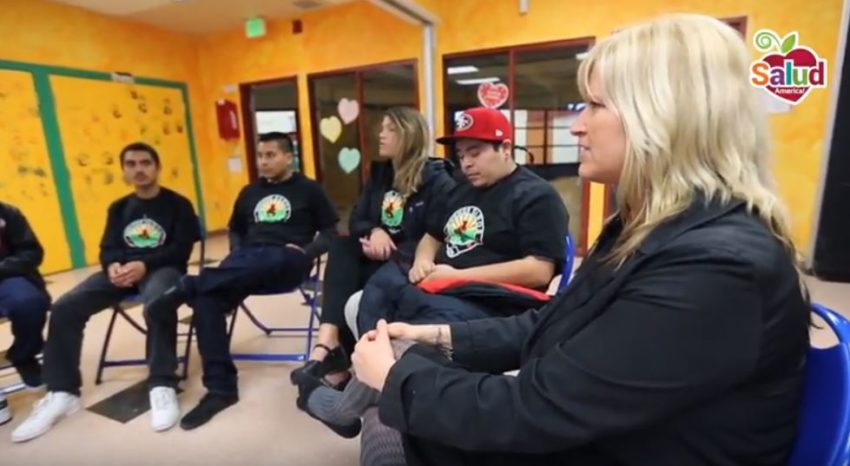
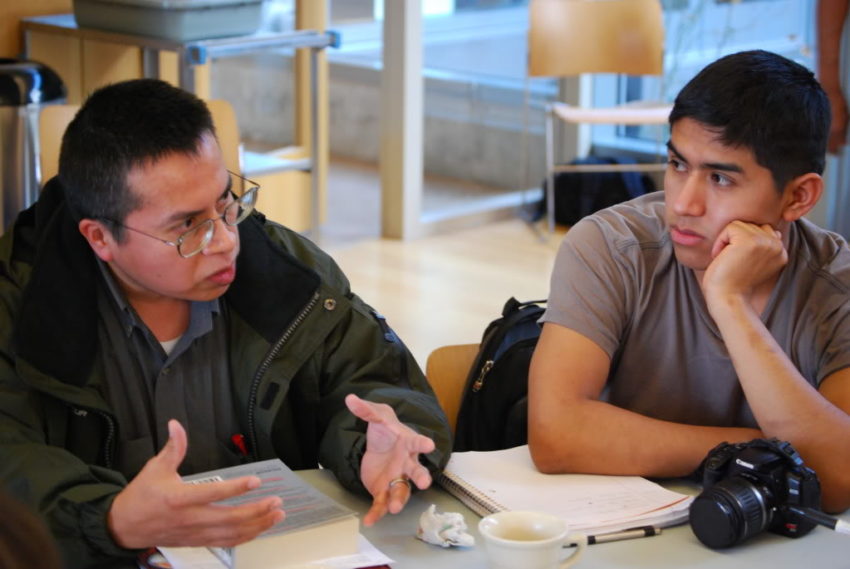
In this webinar, Salud Hero Kymberly Lacrosse who works with Latino youth to help bring healthy changes to their community shared her personal story as well as experiences working with Jóvenes SANOS. If you missed the webinar be sure to see check it out here. Every child, teen, or young adult, needs someone they can count on to guide them in the right direction. For many, mentorship and opportunities for leadership can go a long way, even changing one's life course trajectory. Despite the great importance of these opportunities many Latino youth lack mentorship and report a feeling of "disconnectedness." Nearly 15% of Latino youth are reported to be disconnected from opportunities, leading to less education, unemployment, and increased rates of childhood poverty, ...
Latino and other minority youth have higher rates of poverty and greater gaps in education and health opportunity than their white peers, according to a new report. The 2018 County Health Rankings found that: Poverty rates among children and youth are at least 1.5 times higher than rates among adults aged 18 and older, and the rates are even higher for Latino, Black, and American Indian/Alaskan Native children and youth. Child poverty rates for Latino and Black children are worse across all types of counties, and are even higher in suburban counties than for White children in rural counties.
More than 1 out of every 5 youth in the bottom performing counties do not graduate from high school in four years. It's worse among racial/ethnic groups. 1 out of 4 Latino youth do not ...
How can we best train tomorrow's leaders? By working with youth to lead healthy changes today! Register now for our next Salud America! Webinar on March 27 on how to mobilize youth to become community advocates! What: Mobilizing Latino Youth to Become Community Advocates
Time/Date: 12 p.m. CST, Tuesday, March 27, 2018
Host: Salud America!
Special Guest: Kymberly Lacrosse, a Salud Hero of healthy change Lacrosse has vast experience mobilizing youth toward action. Lacrosse has served as a community organizer for the United Way of Santa Cruz County, Calif, working with the youth group Jóvenes SANOS to create several healthy changes: Healthier food options at METRO transit stations;
Convincing community leaders to adopt a healthy restaurant ...
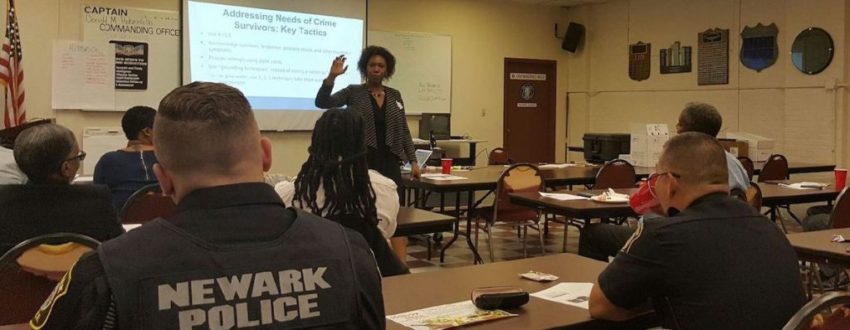
Minorities don't trust police. Police don't trust minorities. You can see this dynamic in any viral video of police-associated violence across the nation. What is harder to see is how this "fraught relationship" impacts the mental, emotional, and behavioral health of both police officers and minorities like Latinos, according to a trustnottrauma.org report. That's why a new program is taking a new approach—trauma training—to rebuild police-community trust and relationships in Newark, N.J.
Why Newark?
Communities rely on police departments to "protect and serve." The police, in turn, rely on community support and cooperation. But this model doesn't always work in harmony, according to RAND. Newark (34% Latino) is a prime example. In 2011, New Jersey's American Civil ...
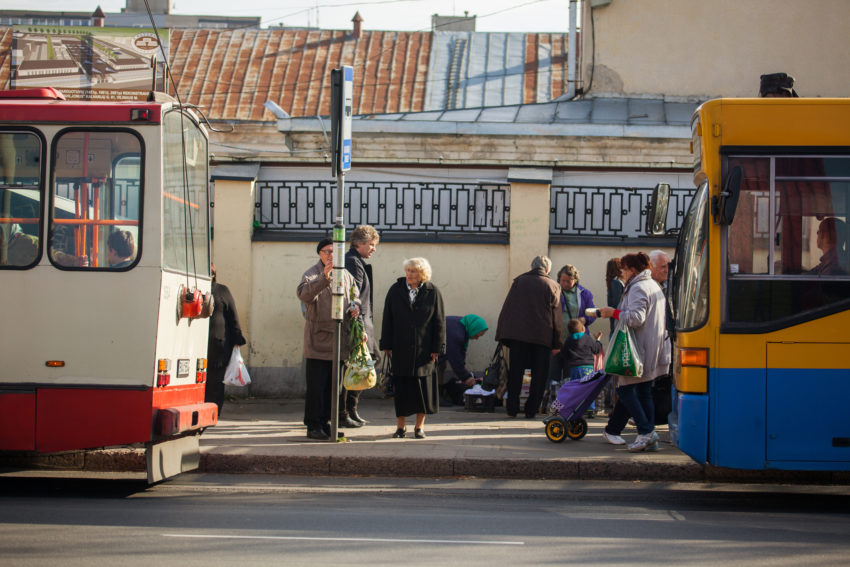
Amazon, one of the biggest American companies, made it clear that public transit is an essential component for choosing a site for their second headquarters. No matter what side of the "Amazon headquarters" debate you land, public transit is a pretty reasonable public good to request from a city because it plays a major role in health, equity, economic development, and sustainability. The thing is, public transit success depends not only on local investment to expand and improve service, but also commitment from federal partners. Yet, the federal government is proposing to eliminate the Capital Investment Grant program, which matches local funds to build new transit systems and upgrade existing systems. Transportation for America created a guidebook, Fight for Your Ride: An ...
"Know Your Role." "Know Your Rights." These are the two key phrases being taught to Oregon Latino immigrants in new free workshops, which offer bilingual help on interacting with police and understanding one’s rights whether they are documented or undocumented. The workshops, led by the Rural Organizing Project in Oregon (11% Latino), help Latinos integrate in the community and build resiliency. "Oregon has become our home, and as such, we need to learn how to protect it, starting with ourselves and our own families," according to a blog post by Jessica Campbell of the organization. "Let’s not allow fear to break us! We are resilient people that made the heartbreaking choice of leaving our home countries behind, searching for opportunities to rebuild ourselves and our ...
Update: In December 2018, Healthy Equity Award prize winners were selected! Winners include Janeth Tapia of North Carolina Farmworkers Project in Benson, N.C., which provides access to affordable, quality health care for a population that is often politically marginalized and isolated Tapia educates health care providers about the hazards that farm workers face, and she helps farm workers take charge of and advocate for their own health. The program provides transportation and volunteer translators for medical visits, and it has worked for extended clinical hours so farmworkers can get care at night or on weekends. Have you worked hard to improve access to quality care, education, or the environment for Latinos or other minorities? Then you could win the Health Equity ...
Life happens. Would you be able to come up with $1,000 for an emergency like a car wreck, a broken arm, or a busted air conditioner? Sadly, 61% of Latino and all Americans say they could not pay for an unplanned emergency expense, according to a report by financial site Bankrate. “Even though unemployment is down and there's been a recent uptick in wages, we aren't seeing the needle move savings,” said Greg McBride of Bankrate told CNN Money. Unexpected bills and expenses aren’t uncommon. More than 30% of all U.S. households had at least one unplanned expense in 2017. But most Americans don’t have an ability to cover it. Almost one in five Americans said they would put the expense on a credit card, Bankrate reports. This usually makes the expense even higher in ...