Exposure to domestic violence and other adverse childhood experiences (ACEs) can trigger the toxic stress response for a long time, disrupting brain and body development and contributing to some of the most serious health conditions facing our society. Public health can help prevent, detect, and mitigate toxic stress. That’s why Dr. Nadine Burke Harris’ recent Roadmap for Resilience: The California Surgeon General’s Report on Adverse Childhood Experiences, Toxic Stress, and Health calls on public health leaders to address ACEs and toxic stress among Latinos and all people. “The public health field plays an important role in ensuring that communities have healthy environments that support healthy behaviors and reduce risk of harmful exposures,” Burke Harris’ roadmap ...
To reduce the impact of a disease like diabetes, public health leaders usually apply a three-part preventive approach of prevention, early detection, and early intervention. But this preventive approach hasn’t been applied to toxic stress. Toxic stress is the body’s response to prolonged trauma─like abuse or discrimination─with no support. It can harm lifelong mental, physical, and behavioral health, especially for Latinos and others of color. Amid COVID-19, civil unrest, and an economic crisis, we need a public health prevention approach to address toxic stress now more than ever. A new roadmap can help. Dr. Nadine Burke Harris’ Roadmap for Resilience: The California Surgeon General’s Report on Adverse Childhood Experiences, Toxic Stress, and Health proposes a ...
There is a common health condition with serious medical consequences that has not been nationally recognized by the medical or public health community—toxic stress response. Toxic stress is the body’s response to prolonged trauma─like abuse or discrimination─with no support. It can harm lifelong mental, physical, and behavioral health, especially for Latinos and others of color. But few, if any, clinical treatment guidelines have strategies for mitigating the toxic stress response. That’s why Dr. Nadine Burke Harris’ Roadmap for Resilience: The California Surgeon General’s Report on Adverse Childhood Experiences, Toxic Stress, and Health wants California and others to recognize and respond to toxic stress as a health condition with clinical implications. “We ...
Toxic stress is brought about by repeated stressful and traumatic experiences with no supportive relationships. This is causing huge mental and physical health problems for people across the nation, including Latinos and other people of color. Dr. Nadine Burke Harris even calls toxic stress a public health crisis. This is why she authored the Roadmap for Resilience: The California Surgeon General’s Report on Adverse Childhood Experiences, Toxic Stress, and Health. “We now understand that a key mechanism by which ACEs [adverse childhood experiences, such as divorce, abuse, poverty, etc.] lead to increased health risks is through a health condition called the toxic stress response,” Burke Harris’ roadmap states. Salud America! is exploring this issue as part of its ...
Stress can happen for many reasons. Abuse. Discrimination. Poverty. But when the human body’s response to stressful situations is activated too frequently or intensely without supportive relationships, stress becomes more than “just stress.” It becomes “toxic stress.” And toxic stress can harm your brain, body, and behavior, and increase lifelong risk for disease, especially for Latinos and other people of color. Fortunately, we can address and even prevent toxic stress. The new Roadmap for Resilience: The California Surgeon General’s Report on Adverse Childhood Experiences, Toxic Stress, and Health is the nation’s first guide to address toxic stress by cutting a main cause─adverse childhood experiences (ACEs)─in half in a generation. We at Salud ...
Every person is a unique individual. But if you look closely, you’ll see each person lives, learns, works, and plays within social and environmental conditions that influence their individual health and wealth. Some people face health barriers because of structural and systemic policies that curb their access to quality housing, transportation, medical care, food, jobs, schools, parks and other social determinants. Individuals have no choice when it comes to these structural health barriers. “Despite the tremendous, lifelong impact of our community conditions on our health, we focus most of our energy and resources on treating the outcomes of these problems but lack the essential urgency for attacking the root causes of poor health,” according to Brian C. Castrucci, Dr. ...
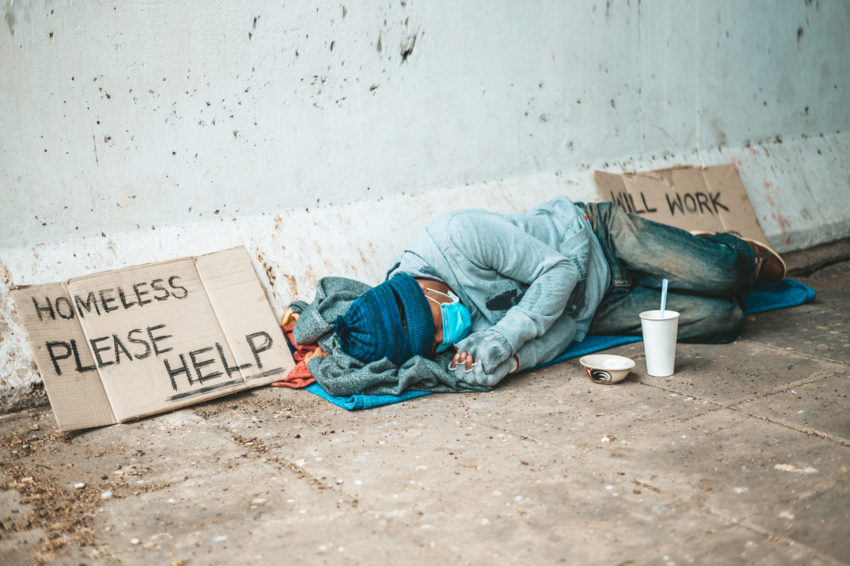
Latino and Black people will suffer significant financial problems that could lead to an increase in homelessness if U.S. leaders fail to pass a COVID-19 relief bill this week, experts say. The spring 2020 stimulus package is set to expire at the end of the week, prompting Congress to debate over a $900 Billion pandemic relief bill that will give stimulus checks, pause evictions and student loans, and provide further unemployment insurance. Leaders hope to find a solution by the end of the week. If they don’t, Latinos and Black people could suffer the most, including a rise in homelessness. “The pandemic has hit communities of color harder than white Americans, and the population of homeless Black Americans and Latinos will only increase if there is no emergency federal ...
COVID-19 isn't only disproportionately infecting and killing Latinos and causing job loss and stress. The pandemic is also hurting Latino-owned businesses. These businesses, which already face bias and racism when it comes to securing financing, have fewer resources to weather the ongoing storm of the pandemic, according to a report by the Stanford Latino Entrepreneurship Initiative. In fact, 41% of Black-owned businesses, 32% of Latino-owned businesses, and 17% of White-owned businesses across the country shut down between February and April, according to a recent study by the Federal Reserve Bank of New York, the CT Mirror reports. Thankfully, some new programs and initiatives aim to help businesses owned by Latinos and other people of color.
A $5 Billion Program to Support ...
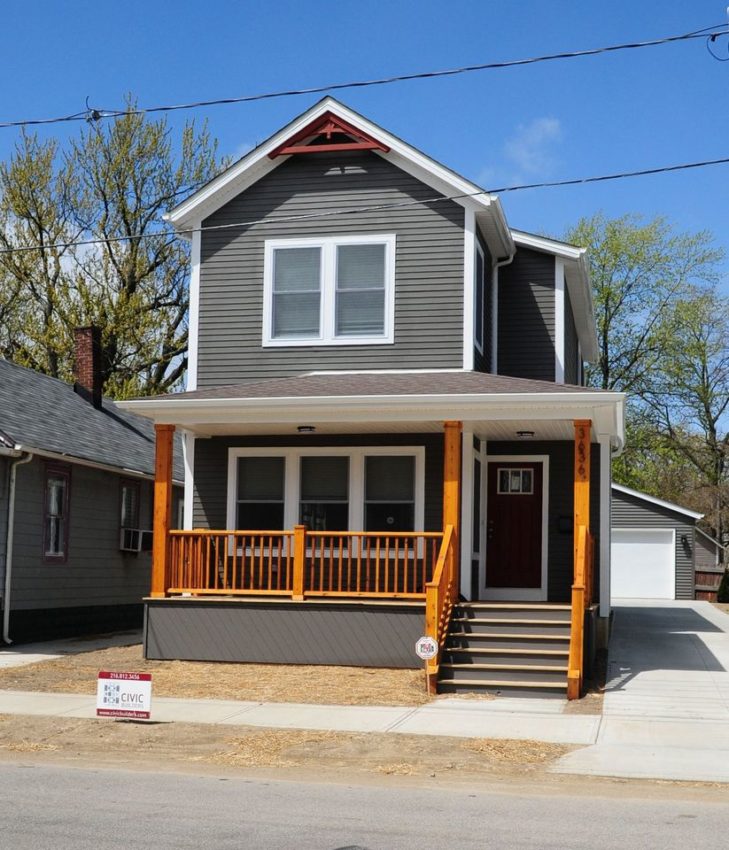
The prospect of homeownership remains out of reach for many Latinos as incomes fail to keep up with rising property values. The community land trust model is a shared ownership model designed to protect people, neighborhoods, and businesses at risk of gentrification and displacement due to development and the upward pressure of urban land markets. This model can be used for housing, small businesses, agriculture, and community resources. There are roughly 277 community land trusts across the US, many addressing housing instability. Community land trusts could play an important role in supporting economic recovery during and after COVID-19.
Unfair Urban Land Markets Leave Many Families Behind
Property rights in America were not created equal. They have excluded Latinos, ...