We know you care about the health of people in San Antonio. Watch our webinar, “All of Us in Alamo City Matter: Where You Live Impacts Your Health,” at 10-11 a.m. CT, Wednesday, March 20, 2024! The webinar explored the state of non-medical drivers of health in San Antonio and how we can leverage the All of Us Research Program to promote health and health research. Some studies suggest that non-medical drivers of health plays a role in about 30% to 55% of our health outcomes. This means that nearly half of our health issues are a result of our environment and life circumstances. Hear more from our expert panelists, including representatives from South Texas Blood & Tissue, Mexican American Unity Council, and Salud America! at the Institute for Health Promotion Research ...
Why is cancer the top cause of death for Latinos? To unpack this question, Dr. Amelie G. Ramirez of Salud America! at UT Health San Antonio hosted the 4th biennial Advancing the Science of Cancer in Latinos conference on Feb. 21-23, 2024, in San Antonio, Texas. Advancing the Science of Cancer in Latinos drew 280 researchers, doctors, leaders, health leaders, and students for an open dialogue on Latino cancer. Discussion covered new research advances on clinical best practices, effective community interventions, and professional training to eliminate cancer disparities in Latinos. “Advancing the Science of Cancer in Latinos is where we can come together and find solutions for cancer prevention, treatment, and survivorship among Latinos,” said Ramirez, who founded the ...
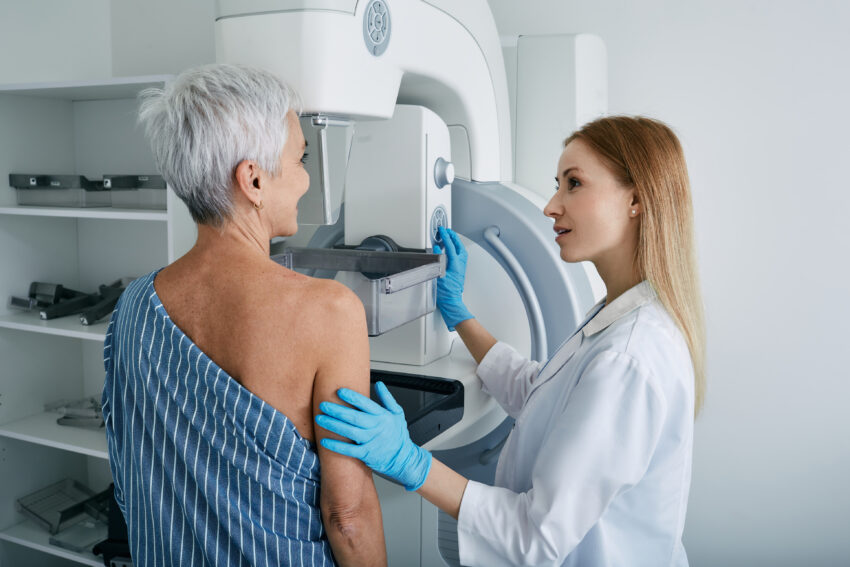
Cancer screening can help catch cancer early when it is more treatable. But participation in screening is sporadic at best, especially among Latinos. What would happen if more people got screened for cancer? To find out, a team of U.S. and Canadian researchers used computer modeling to estimate the number of deaths that could be prevented, and the harms caused, if more people followed recommended cancer screening guidelines. Let’s explore what they found and what it means for Latino cancer.
The Impact of More Screening: Potential Lives Saved
Cancer screenings can catch early cases of lung, colorectal, cervical, and breast cancers. But only 13% of people eligible are up to date for lung cancer screening; 69% for colorectal cancer screening; 73% for cervical ...
New cancer cases are projected to surpass 2 million in 2024 - a first in for the U.S., according to American Cancer Society’s Cancer Facts & Figures 2024 report.
The landmark projection amounts to 5,500 diagnoses a day.
The American Cancer Society attributes the rise in cases to a growing and aging population along with an increase in diagnoses of six common cancers – breast, prostate, endometrial, pancreatic, kidney, and melanoma.
In addition, the organization is projecting over 611,000 deaths from cancer in 2024, a .19% increase from 2023. That is more than 1,600 deaths each day!
While cancer is prevalent across all people, it disproportionately continues to affect some groups, such as Latinos.
Cancer in Latinos
Cancer is a top cause of death for ...
Do you get the recommended 7-10 hours of sleep a night? Insufficient sleep and poor sleep quality contribute to the development and management of many health issues, from diabetes to heart disease, according to the CDC. Researchers at UT Health San Antonio and their partners are studying sleep disturbances among blood cancer patients and comparing effectiveness of two wellness-based mobile apps to help improve sleep. The Reducing Sleep disTurbance in Cancer (REST-C) study, also called the Heme Study, is a clinical trial that is currently recruiting adults diagnosed with blood cancer and experiencing sleep disturbance. A clinical trial is a study that helps researchers learn more about how different treatments and interventions can be used to help slow, manage, and ...
We want all people to be as healthy as possible. How can we reach this ideal, especially as we face high rates of cancer and chronic disease and many people struggle with access to clinical trials, income, health care, food, housing, and other issues? You're invited to a webinar series, "Let’s Improve Health in South Texas and Beyond," a collaboration of the Salud America! program, the Institute for Health Promotion Research at UT Health San Antonio, the Mays Cancer Center at UT Health San Antonio, and Genentech. Here are the three webinars from 2025: 3/4/25: The Thing that Could Save Your Life
4/23/25: Tipping the Scales toward Health
10/8/25: What You Should Know about Your Amazing Liver Here are the three webinars from 2024: 4/25/24: How to Identify and ...
The COVID-19 pandemic hurt public trust in healthcare and science. Trust is especially low among communities that experience health differences and challenges to healthcare, according to Dr. David W. Baker of The Joint Commission in Illinois. “Black and Latino communities faced inadequate testing, financial [challenges] to care, and high rates of COVID-19 cases and deaths, further threatening their trust in physicians, the health care system, public health, and science,” Baker wrote in his article, Trust in Health Care in the Time of COVID-19. Misinformation and a lack of trust in healthcare can spur a cycle of reduced care and ultimately contribute to worse health outcomes. But how can trust in healthcare be restored?
Reasons for Latino Distrust in Healthcare
Several ...
Clinical trials have led to the development of better treatments, life-saving medicines, and new prevention strategies for cancer and other diseases. Still, clinical trials have lacked volunteers who are Latino. We need a variety of participants in clinical trials to ensure health and medical discoveries are fair for all populations. To promote clinical trials, let’s use #SaludTues on Tuesday, Dec. 5, 2023, to discuss reasons why Latinos and all people should consider joining a clinical trial! WHAT: #SaludTues Tweetchat: Why Should You Try a Clinical Trial?
TIME/DATE: 1-2 p.m. ET (Noon-1 p.m. CT), Tuesday, Dec. 5, 2023
WHERE: On Twitter with hashtag #SaludTues
HOST: @SaludAmerica
CO-HOSTS: LatinaStrong Foundation (@LatinaStrongDr); Public Health Maps ...
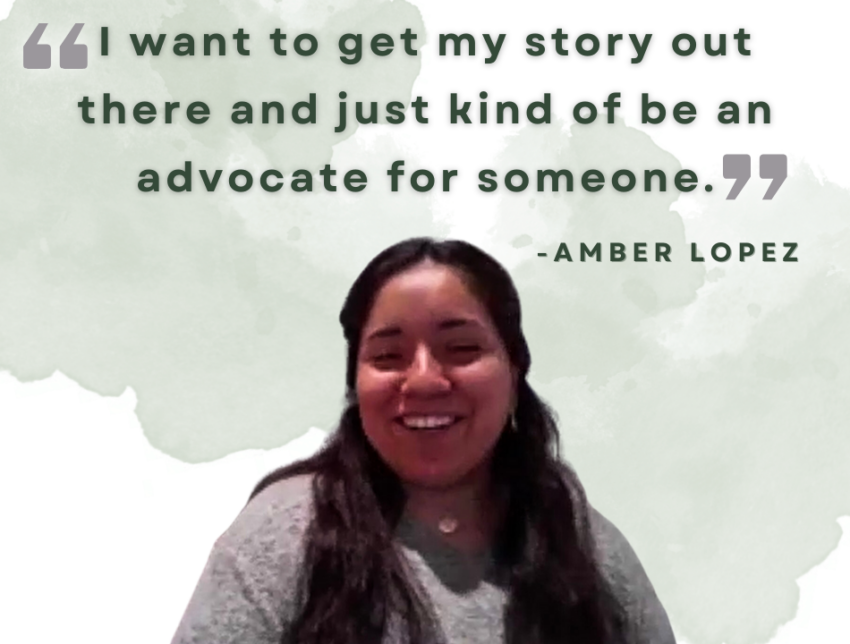
News of a cancer diagnosis is the last thing anyone wants to hear. It can be especially devastating for a teenager with no family history of cancer. That was reality for Amber Lopez. Lopez, a San Antonio resident who began experiencing symptoms around age 14, was eventually diagnosed with cervical cancer a few years later at 18. “When you hear that word cancer, you’re kind of like, 'Oh, my God. OK. So, does that mean like, I’m going to pass away? How does this work?'” Lopez said. Since her diagnosis, Lopez has overcome many challenges in her cancer journey. Now she’s sharing her story through the Avanzando Caminos study at UT Health San Antonio to give hope to other Latino cancer survivors.
Navigating Her Cancer Diagnosis
Latinas ...