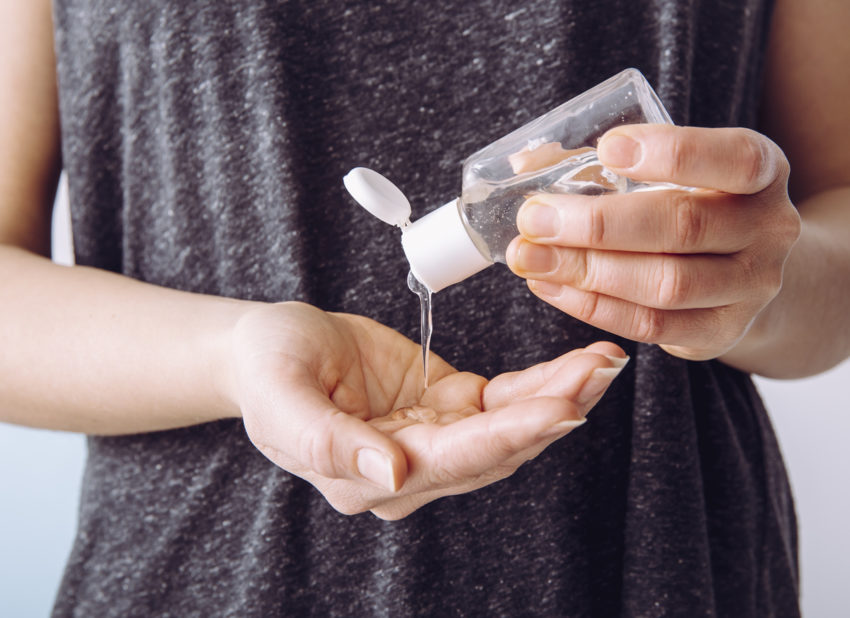
Clean hands are critical to reduce the spread of infection, particularly coronavirus (COVID-19). However, washing with soap and water isn’t always option. In 1966, nursing student, Lupe Hernandez, realized alcohol in gel form could be an effective way to clean hands when soap and water weren’t available. She called an inventions hotline to learn about patenting hand sanitizer. Over 50 years later, Hernandez's invention is still saving lives against threatening diseases and protecting brave medical professionals. Hand sanitizer sales and wipes has grown steadily. They expanded beyond hospitals and care homes to supermarkets and personal accessories. The U.S. market of hand sanitizer was $28 million in 2002. In 2009, hand sanitizer sales soared in the wake of ...
Older people are highly susceptible to the coronavirus COVID-19, but young adults aren't off the hook, either. Almost 40% of U.S. coronavirus patients who were sick enough to need hospitalization were between the ages of 20 to 54, according to recent CDC data. "I think everyone should be paying attention to this," Stephen S. Morse, a professor of epidemiology at Columbia University's Mailman School of Public Health, told the New York Times. "It's not just going to be the elderly. There will be people age 20 and up. They do have to be careful, even if they think that they're young and healthy."
Why Coronavirus is a Concern for Young People
Globally, officials are reporting 246,276 confirmed cases or coronavirus, with 90,000 recoveries and 10,000 deaths. Out of the 508 U.S. ...
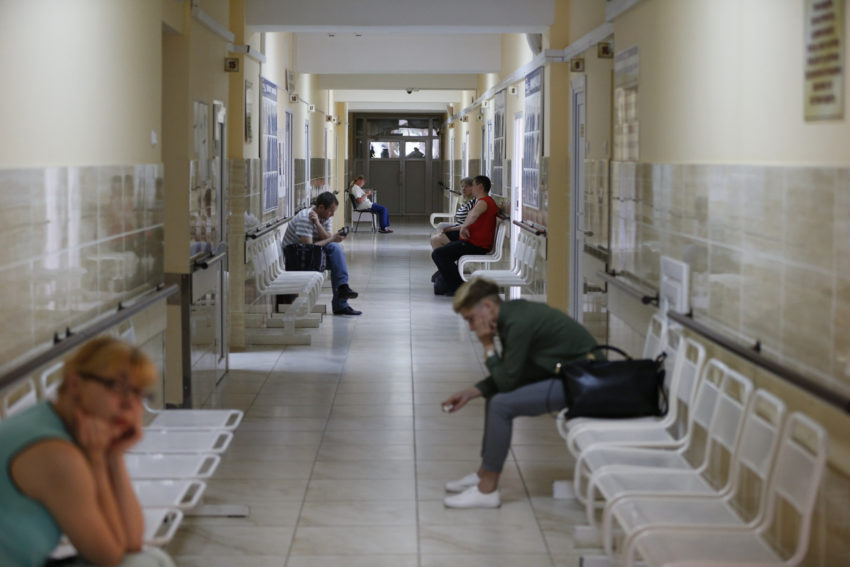
The coronavirus pandemic is weakening the already-fragile rural health care safety net, and endangering health of rural residents, public health experts say. Here are a few ways this is happening.
The Rural Health Care System and Coronavirus (COVID-19)
Rural hospitals are small businesses that their communities rely upon. But health staff is becoming sick. Cash-flow problems are at crisis levels, according to the National Rural Health Association. They list these troubles: Adequate number of supplies and tests
EMS shortages, as many in rural communities are volunteers;
Overall workforce shortages if rural providers get sick;
Telehealth waivers and site flexibility for Rural Health Clinics;
Critical Access Hospital waivers; and
Need for loan ...
People need to stay home to prevent the spread of the coronavirus, Covid-19. However, for the 27% of the U.S. private workforce with no paid sick leave, staying home isn’t an option, particularly for the full prescribed 14-day quarantine. That’s why a form of paid sick leave and family/childcare leave are part of a new $100 billion relief law, Families First Coronavirus Response Act, which also includes nutrition aid, unemployment health insurance, and free COVID-19 testing. Trump signed the new law on March 18, 2020. It goes into effect April 2, 2020. But the new law could leave out up to 19 million workers, roughly 12% of the workforce, including many low-income Latinos, women, and other vulnerable populations, experts say. Moreover, economists estimate that three ...
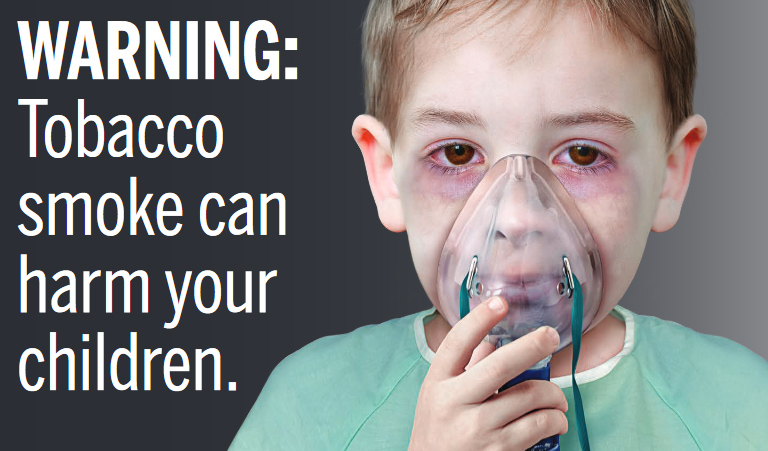
FDA approved listened to public input and approved 11 new anti-smoking graphic warning labels that it will require tobacco companies to add to cigarette packs starting June 18, 2021.
The warnings feature written statements with photo-realistic color images depicting some serious health risks of cigarette smoking. These include impact to fetal growth, cardiac disease, diabetes, and more. Last year, over 402 members of the Salud America! network sent emails to FDA to speak in favor of the warning labels for cigarette packages and advertisements. "The 11 finalized cigarette health warnings represent the most significant change to cigarette labels in more than 35 years," said Mitch Zeller, director of the FDA's Center for Tobacco Products, in a news release. "[This] will considerably ...
Time and again, statistics go to show that communities of color, including Latinos, face a rampant and widespread lack of access to quality healthcare. In this state of emergency that the U.S. faces with the outbreak of the current novel coronavirus, COVID-19, those disadvantages are worse than ever. Disadvantaged groups currently, and will continue to, experience burdens in receiving, affording, and managing medical treatment as the virus continues to spread. “Crises such as H1N1 and COVID-19 provide a mirror for our society and the actions we take — or fail to take,” writes Dr. Richard E. Besser, the president, and chief executive of the Robert Wood Johnson Foundation, in the Washington Post. “Today, the United States in that mirror is one in which the risk of exposure ...
By Minnie Morales
San Antonio Cancer Survivor I've always felt there are many ways to view any situation and essentially make light of anything you are going through. I never imagined having to face such dark days as early as 20 years old, but that is what God asked me to do. When I graduated high school and started getting my prerequisites for nursing school, life was hard enough transitioning into adulthood! I fully trusted the doctors when I showed them a large lump in my right breast that I found while sitting in my college class. "It's just a cyst... you're too young to get breast cancer, don't worry about it." Because breast cancer doesn't run in my family and I had never encountered anything like that at 19, I believed what I was told. I finished my ...
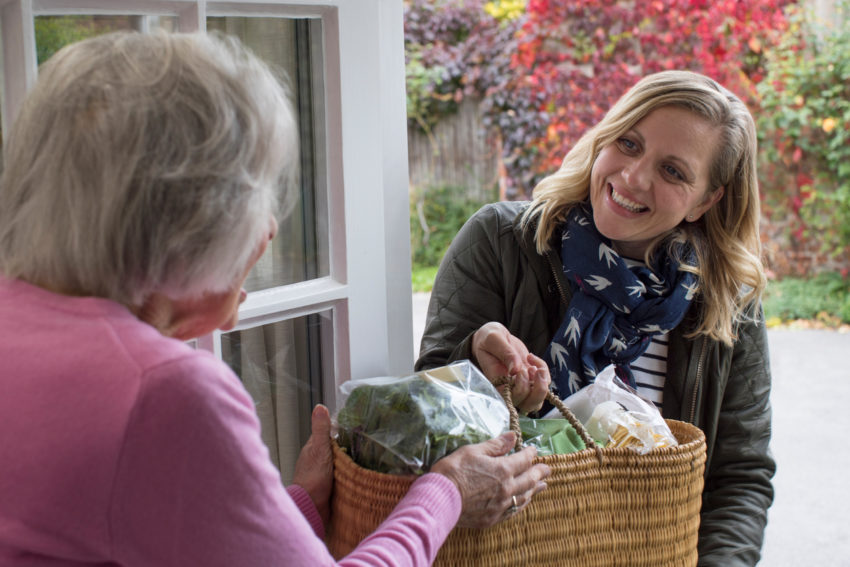
The coronavirus pandemic is causing fear and hoarding of groceries. But it's also inspiring beautiful acts of kindness around the nation. Kindness and equity can be rare during times of panic. Coronavirus, or COVID-19, is a serious condition that demands our attention. Smokers are uniquely susceptible. But, even amid an unusual disease outbreak, people and organizations are showing that kindness is instrumental in caring for people and promoting survival and health equity in tough times. "At a time of so much fear and uncertainty, these acts of kindness — for those committing and receiving them — are a desperately needed balm," says Latina writer Helen Ubiñas of the Philadelphia Inquirer. "A unifying act of humanity that reminds us that we are all in this ...
Health experts say smoking and vaping weakens the function of the lungs and could leave people more susceptible to coronavirus (COVID-19), which has sickened many and continues to spread around the world. Coronavirus is now a pandemic, according to the World Health Organization. Serious consequences of COVID-19 feature pneumonia and affects the lung function, and is especially worrysome for those with weak lung or immune systems, reports Guardian Australia. Basically, this means now is a good time to quit smoking. "For most respiratory infections, you worry about people who smoke a bit more," said UK Professor Christopher Whitty, The Tab reports. "They’re more likely to get [coronavirus] and their immune system is less good."
Are Smokers More Susceptible to Coronavirus ...