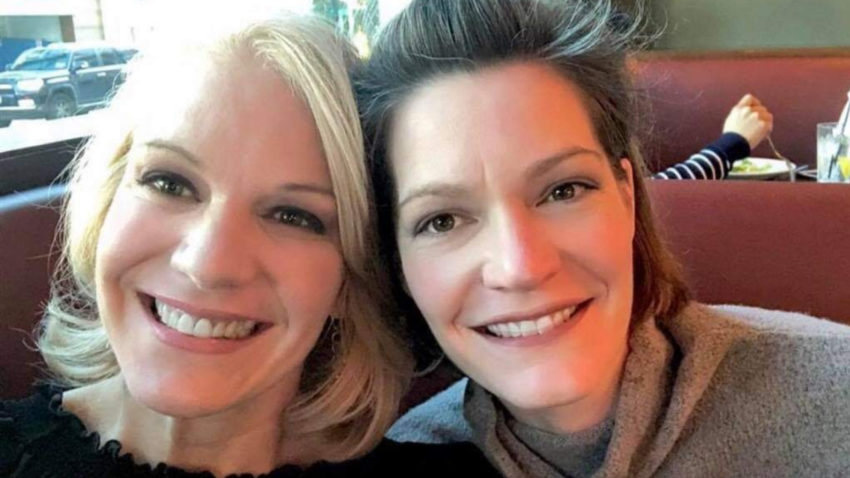
By Marisa Bejar
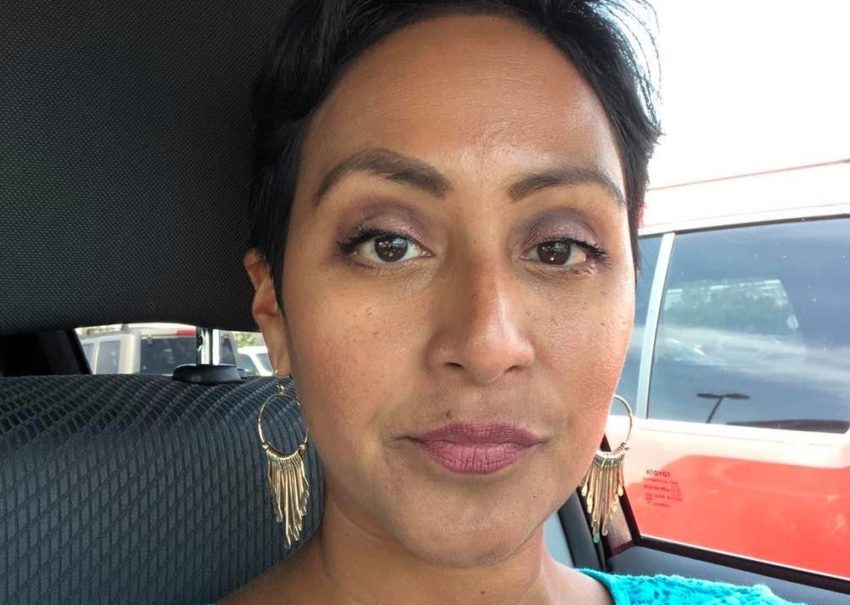
Native of Texas, Cancer Survivor My name is Marisa Bejar. I’m a military wife from Texas stationed in Maryland. My boys are 10 and 8. I'm a 7-year survivor of breast cancer, as of Sept. 20, 2019.
'Too Young to Get Breast Cancer'
I found a lump in my left breast in July 8, 2012. I went to the doctor and she told me it’s probably a clogged milk duct. "You’re too young to get breast cancer," the doctor told me as she put in a referral for a mammogram. July 16 was the day I had my mammogram. I was in a room full of different-aged ladies. I got called back for my mammogram and then called back for different angles. I knew something was up because my girls were never popular. I was a size A. I had a mammogram and an ultrasound that day. I love the ...
One in five children struggles with obesity in America today. Worse, this trend impacts over 25% of Latino kids, which is more than their white and black peers, according to Trust for America’s Health’s newest State of Obesity report. In an effort to combat those numbers, the National Collaborative on Childhood Obesity Research (NCCOR) recently released its Measures Registry, Measure Registry User Guides, and Measures Registry Learning Modules platform. “NCCOR’s goal in introducing these Learning Modules is to provide a useful resource for those in the field,” the group states in a recent press release. “The Modules highlight key concepts…making it easier to understand measurement issues in the four major domains of the Measures Registry: individual diet, food ...
Breast cancer is the No. 1 cancer killer of Latinas in the U.S. Fortunately, Latinas can take steps to reduce their own risk for breast cancer, and community and healthcare leaders can promote prevention, screening, and early detection. To celebrate Breast Cancer Awareness Month (October) and Hispanic Heritage Month (Sept. 15-Oct. 15), let’s use #SaludTues on Oct. 1, 2019, to tweet about the latest progress in Latina breast cancer research, the importance of breast cancer screening, and tips for prevention and survivorship! WHAT: #SaludTues Tweetchat: How to Address Breast Cancer among Latinas
DATE/TIME: Noon CST (1 p.m. ET) Tuesday, Oct. 1, 2019
WHERE: On Twitter with hashtag #SaludTues
HOST: @SaludAmerica
CO-HOSTS: National Hispanic Medical Association ...
The proportion of Americans with no health insurance coverage increased for the first time in a decade, even as poverty is declining, according to new census data. In 2018, 27.5 million Americans did not have health insurance, an increase of 1.9 million people from the 2017. The rate of Americans lacking coverage rose from 7.9 to 8.5 percent of the population. The percentage of uninsured children increased by 0.6 percentage points between 2017 and 2018, to 5.5%. Minorities shouldered higher disparities. Latino kids saw the sharpest rise in uninsured rates compared to other races, from 7.7% uninsured to 8.7%. This, even as the poverty rate fell last year to its lowest level since 2001. The decline in poverty and increase in uninsured people seems to "reverse the trend ...
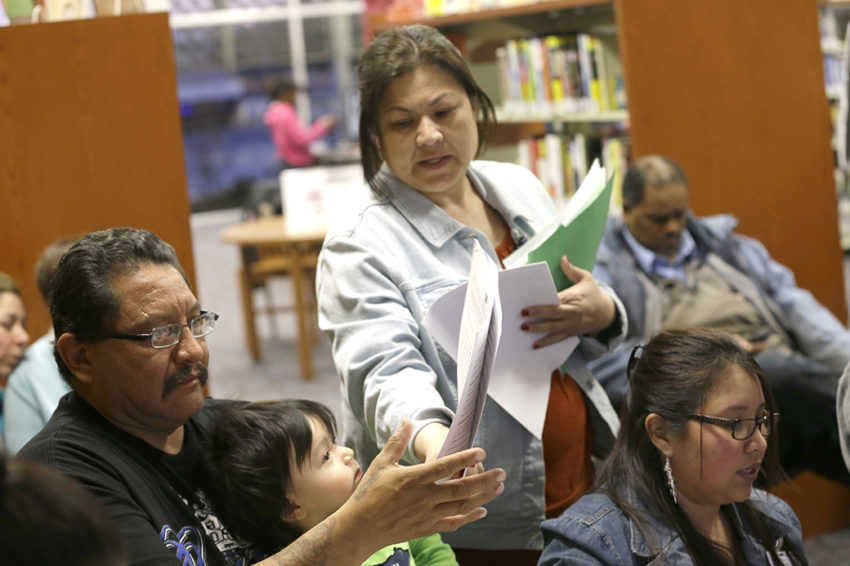
How health literacy is defined has a meaningful impact on the medical field. The Department of Health and Human Services (HHS) sought public feedback on their new definition of health literacy for Health People 2030 by Aug. 5, 2019. We thought it focused too little on the social determinants of health, so we drafted a model comment and a revised definition for our members to consider. In all, 43 Salud America! network members emailed HHS to push for this revised definition!
The Old, New, and Suggested Health Literacy Definition
The Healthy People report provides science-based national objectives for improving the health of all Americans over a 10-year period. The report focuses on the leading causes of death and disease and drives action at the national, state, and local ...
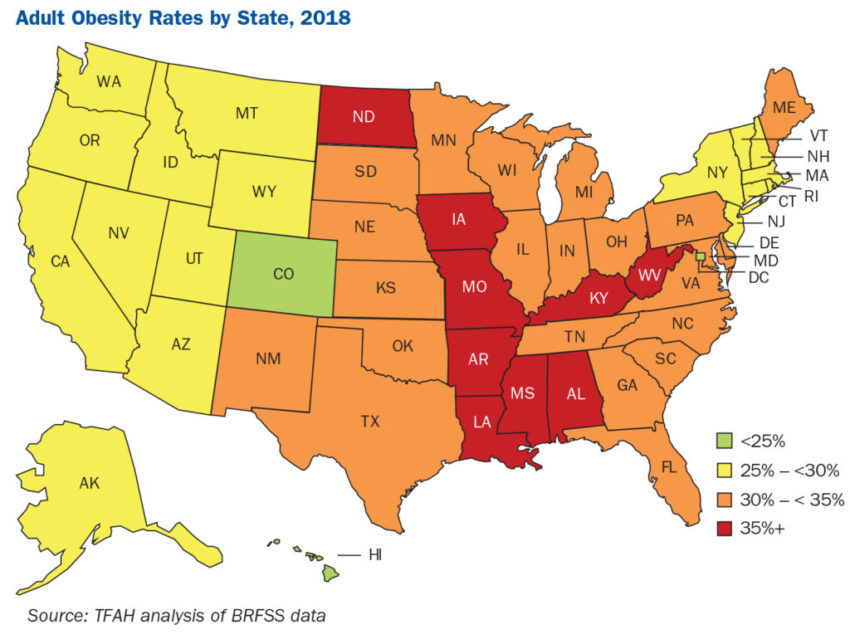
Nine U.S. states had adult obesity rates above 35% in 2018, up from seven states at that level in 2017, an historic level of obesity in the U.S., according to the new State of Obesity report by Trust for America's Health. In 2012, no state had obesity rates over 35%. This alarming rise is even worse among Latinos. Data indicate that 47% of Latino adults and 25.8% of Latino children had obesity—the highest combined obesity rate among all racial/ethnic groups. "These latest data shout that our national obesity crisis is getting worse,” said John Auerbach of Trust for America's Health. “They tell us that almost 50 years into the upward curve of obesity rates we haven’t yet found the right mix of programs to stop the epidemic."
Alarming Rise in Obesity Rates
The State of ...
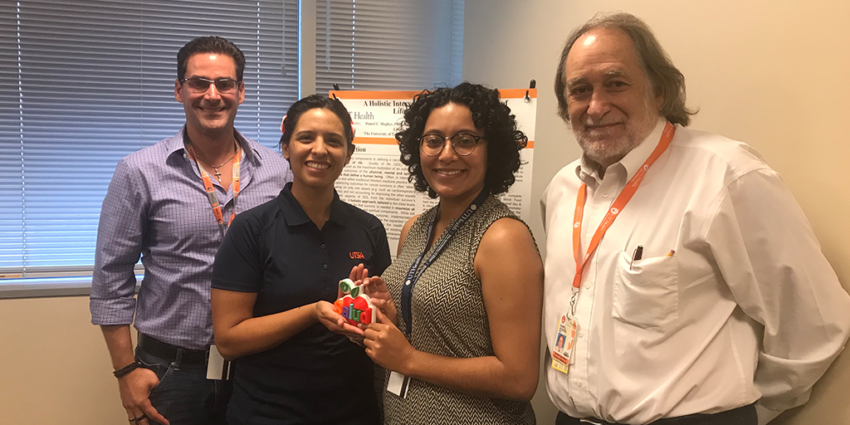
Has your doctor ever asked about faith or family? Dr. Daniel Carlos Hughes and his colleagues are doing just that in a case study revolved around how medical professionals heal their patients. Their end goal? Treating people, especially those with chronic conditions, holistically. Check out Dr. Hughes and his team on the #SaludTalks Podcast, Episode Two, "Breaking Tradition"! WHAT: A #SaludTalks discussion on holistic health among Latino and all patients and providers
GUESTS: Dr. Daniel Carlos Hughes, Assistant Professor at the Institute for Health Promotion Research (IHPR) at UT Health San Antonio; Dr. Alexis Ortiz, Chair of the Department of Physical Therapy UT Health San Antonio; Corina Zamora, Project Coordinator at IHPR at UT Health San Antonio; and Angelika Aguilar, ...
Latinos and blacks are more likely to be taken by ambulance to safety-net hospital emergency rooms, and not always the closest hospital, according to a new study. National guidelines require EMS transportation to the nearest suitable hospital. However, the study, led by researchers at Boston University School of Medicine, found large racial/ethnic differences for where emergency patients are taken. Latinos and blacks were more likely than whites to be taken to a safety-net hospital—one with a legal obligation or mission to give health care regardless of insurance status. This suggests "ambulance diversion" bias, where ambulances don't take certain patients to the nearest suitable hospital. "The cause for this observed pattern is unknown and needs to be further studied to ...
By Jennifer Thomas
San Antonio, Texas, Cancer Survivor I had just turned 39 when I reached over my shoulder to turn off a lamp, and in so doing, felt a funny “spot” on my breast. Having no history of cancer in my family, I can’t say that was my first thought. But since it WAS October—Breast Cancer Awareness Month—I did call my husband into the living room to see if he felt it as well. This was late January of 2006. Despite being told by everyone the spot was “probably nothing,” I got it checked out and was diagnosed with Stage 1 IDC, fast-growing (grade 3) by the first week of February. I don’t remember getting a second opinion, doing any research, or even asking what my options were. I just know that a week after being diagnosed, I was in surgery ...