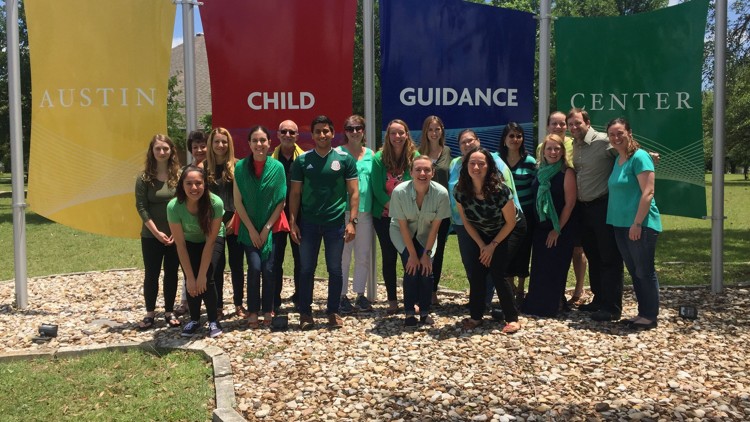
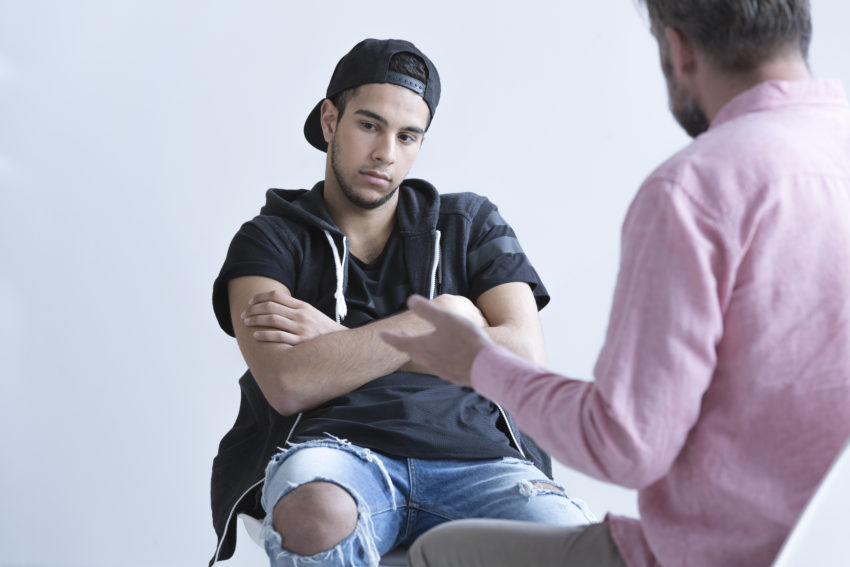
Latinos comprise almost half of all youth in Austin, Texas. These kids are more likely than their peers to deal with mental health issues, from fear of being deported to bullying to financial stress, according to a Salud America! Research Review. And, sadly, these issues go largely untreated. One group—The Austin Child Guidance Center—took notice and is trying to make a positive change. “We’ve just been seeing a lot more fear and a general sense of unpredictability, which raises everybody’s anxiety level,” Julia Hoke, director of psychological services for the Austin Child Guidance Center, told the Austin American Statesman. “We want to be a counterpoint to that.”
The Austin Child Guidance Center
The center started a task force to meet the needs of their ...
Despite claims that underage drinking may be on the decline, certain groups like Latino youth continue to be at a high risk for engaging in frequent binge drinking behaviors. Nearly 1 in 2 high school aged youth reported drinking, according to a report from Child Trends, and over 1 in 6 high school seniors had five or more drinks in less than a couple of hours (defined as binge drinking), according to the CDC. Underage drinking poses a number of threats to youth especially since their brains are still developing at this age. Communities of color are often targeted through aggressive marketing of alcoholic beverages and living near a high density of alcohol outlets. Let’s use #SaludTues on Tuesday, June 26, 2018, to tweet about ways to prevent binge drinking among high ...
More than 1 in 4 Latina high-schoolers have thought about committing suicide. Suicide attempts among Latina teenagers are at a higher rate than their non-Hispanic White female and Hispanic male peers, according to a Salud America! research review. That’s why it is important to explore the reasons why─and what to do about it.
Latinas and Mental Health
In the Latino community, mental health problems often are not spoken about. There is a stigma attached to it. Or people just don’t know enough about it, according to an article. That’s especially true for Latinas. “The expectations of what makes a ‘good’ Latina are often rooted in propriety and maintaining appearances, specifically when it involves something as personal as mental health or illness,” wrote Liz ...
Latinos and blacks are less likely than whites to get the mental health services they need, and more likely to miss work as a result, according to a new study. The study, published by California-based Rand Corporation, found a relationship between untreated mental health problems and multiple absences from work. This has a big economic toll on Latino and black individuals and families, as multiple work absences usually mean lost pay or even lost jobs, reports California Healthline. The data shows that mental health problems caused 12% of blacks and 9.4% of Latino to miss four or more days of work a year, both higher rates than whites (7.9%). “This could have important repercussions for black [and Latino] Californians’ ability to earn income and stay employed in the face of ...
May is National Physical Activity month. It's also National Mental Health Month! Unfortunately, not all kids and families have access to safe places to play or services to promote healthy minds. While physical activity has numerous health benefits we often forget how important it is for promoting overall mental health and wellbeing. Some studies even show that having access to green space and physical activity programming can reduce stress levels, promote mental health and increase community resilience. Schools, workplaces, and communities all over can and should take action by promoting movement throughout the day this month and every day. On May 22, 2018 let’s use #SaludTues to chat about ways to boost physical activity and promote healthy minds in Latino ...
Exposure to green spaces can boost brain development in school children, according to a new Spanish study with big implications for U.S. Latino children who lack access to parks where they live. The new study, which links long-term exposure to green spaces to enhanced cognitive function in Spanish children, was led by the Barcelona Institute of Global Health and the UCLA Fielding School of Public Health. Researchers used MRIs and computerized tests to note children's working memory and inattentiveness every three months. They discovered children who grew up in homes surrounded by green space showed greater activity in the regions of their brain linked with learning. They also showed better ability to engage with others. Children near green space also showed lower levels of ...
In this webinar, Salud Hero Kymberly Lacrosse who works with Latino youth to help bring healthy changes to their community shared her personal story as well as experiences working with Jóvenes SANOS. If you missed the webinar be sure to see check it out here. Every child, teen, or young adult, needs someone they can count on to guide them in the right direction. For many, mentorship and opportunities for leadership can go a long way, even changing one's life course trajectory. Despite the great importance of these opportunities many Latino youth lack mentorship and report a feeling of "disconnectedness." Nearly 15% of Latino youth are reported to be disconnected from opportunities, leading to less education, unemployment, and increased rates of childhood poverty, ...
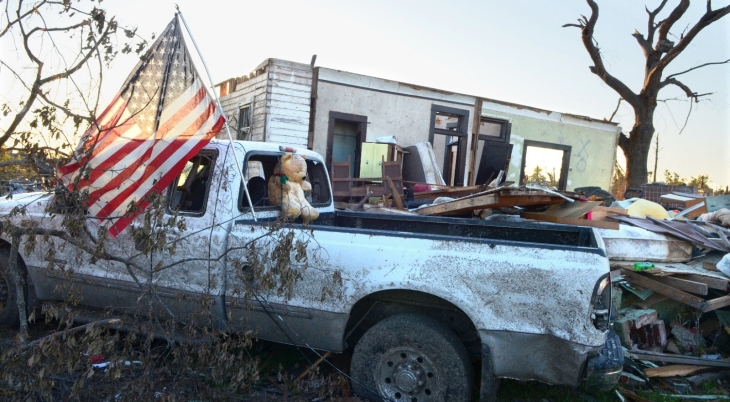
Local leaders can get $1.4 million to help their community prepare for, withstand, and recover from disasters, thanks to a new two-year grant opportunity from the Robert Wood Johnson Foundation (RWJF). The new grant aims to help community leaders and researchers create "resilient communities." Resilient communities can anticipate and adapt to unexpected challenges, like the recent devastating hurricanes in Texas and Puerto Rico. Disasters cause damage from infrastructure to the local economy. They also impact institutionalized discrimination, access to healthcare, and mental health issues and stress. For example, Texas leaders formed a task force to respond to mental health issues in schools impacted by Hurricane Harvey. How prepared is your community for an ...
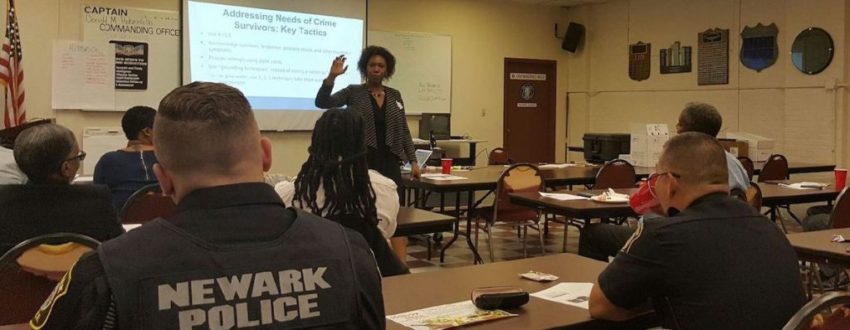
Minorities don't trust police. Police don't trust minorities. You can see this dynamic in any viral video of police-associated violence across the nation. What is harder to see is how this "fraught relationship" impacts the mental, emotional, and behavioral health of both police officers and minorities like Latinos, according to a trustnottrauma.org report. That's why a new program is taking a new approach—trauma training—to rebuild police-community trust and relationships in Newark, N.J.
Why Newark?
Communities rely on police departments to "protect and serve." The police, in turn, rely on community support and cooperation. But this model doesn't always work in harmony, according to RAND. Newark (34% Latino) is a prime example. In 2011, New Jersey's American Civil ...