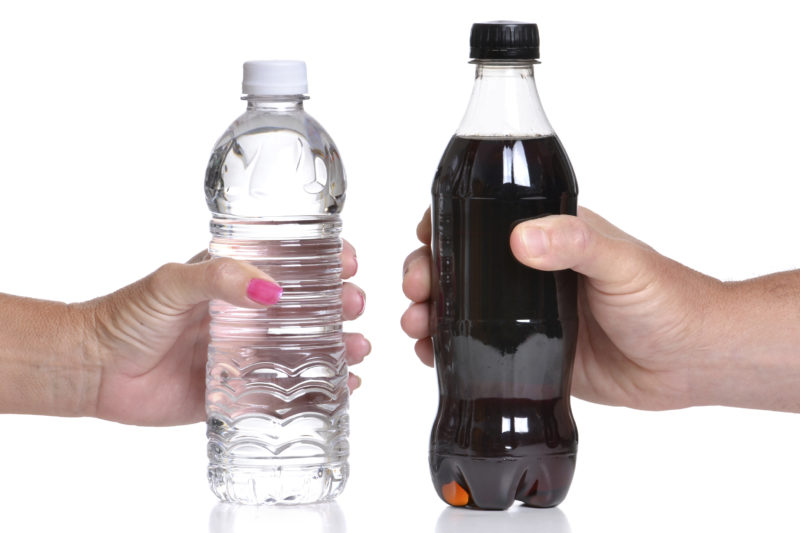
Latino teens on average consume more sugary beverages than their white peers, studies show. In fact, about 74% of Latinos have had a sugary drink by age 5. But what if teens and kids knew the impact sugary drinks had on their health? A new study from Penn Medicine analyzed how teens perceived sugary drinks with health warning labels. Researchers from the Center for Health incentives and Behavior Economics used an online survey to gauge more than 2,000 teens, ages 12-18, perception of their favorite sugary drinks, some drinks included a health warning labels while others did not. The teens who didn't see a warning label on their beverages (77%) chose a sugary drink. The teens who saw the warning labels were 8 to 16 % less likely to select a sugary beverage.
After ...
The fight against the beverage industry for Boulder, Colo.'s sugary tax measure to be put on the ballot has been contested back and forth. Two protests from a city attorney circulated but local Judge, Norma Sierra, ruled that the petition was valid and Boulder City Clerk Lynette Beck also denied the protester's appeal. Now, the measure for the sugary beverage tax is officially on the measure on November's ballot. Healthy Boulder Kids campaign manager, Angelique Espinoza is a supporter of the tax and explained to local news that the closer they get to the tax the more they can ensure a way to increase healthy foods and activities for kids in Boulder. Boulder, Colo. is a community with a growing Latino population (13.9%). Latino kids are often targeted by beverage companies and ...
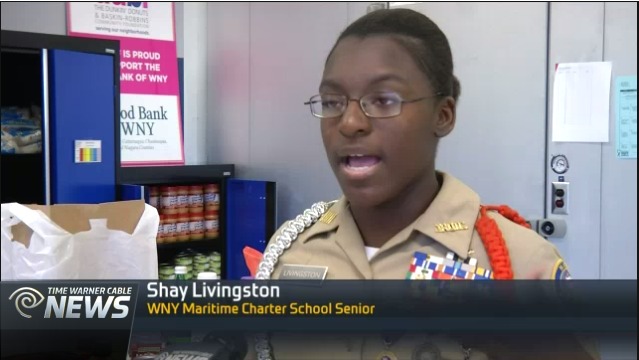
A new pilot program is allowing a food bank to be a part of the Western New York Maritime Charter School (17% Latino), hoping to provide the over 80% of the students that rely on free school breakfast and lunches, a way to keep full even after school and focus on their studies. The $20,000 grant awarded from Dunkin' Donuts-Baskin Robbins Community Foundation, supports the new program, giving the Food Bank a way to provide for students and their families in a convenient way when families are short on time and funds. Many of the food options are packaged but offer nutritious proteins like cashew milk, canned tuna, and peanut butter. The Food Bank hopes to continue the pantry program to other schools and help provide food to families and students to ensure students are able to ...
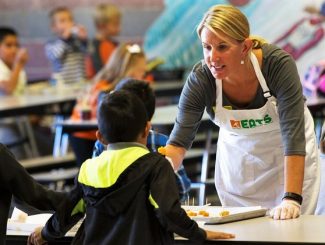
Students in the Park City School District (20.7% Latino) will now be offered fresh school meals made without unneeded and unhealthy ingredients. The school has decided to take out five ingredients including, trans-fat, high-fructose syrup, monosodium glutamate (MSG), sucralose and sulfites. Since 2012, a non-profit group called EATS Park City has been advocating for healthier school meals for the district, giving out samples to elementary students for taste test trials, encouraging the district to move away from processed foods, and more to fresh, made-from-scratch meals. “It’s been a long time coming, but it takes a while to gain that support in the community and to gain that support with the school district and the school board. I can’t tell you how pleased we are with ...
Pediatrician Vanessa Salcedo, M. D. learned early through her career the dangerous health risks linked to sugary beverages, like heart disease, diabetes, and obesity. Many Latinos in New Yorks Bronx area (17.6%), deal with health problems like high blood pressure, obesity, high cholesterol, and diabetes. While in residency Salcedo choose to stop drinking sugary beverages like soda to be an example to her patients, and now the clinic has become a sugary drinks-free zone. Salcedo explained to the American Heart Association, that the patients rely on her and the other doctors, and they all wanted to be role models in creating a healthy place, free of sugary drinks. The doctors at Union Community Heath Center's six clinics discuss sugar content in drinks to their patients, ...
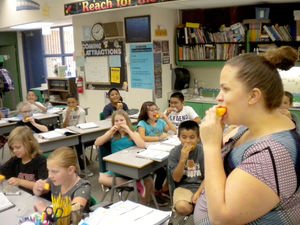
Want a healthy break at school? Why not bite into fresh fruit. Students in some Arizona schools are now enjoying the fresh apples, cantaloupes, and other fruits and vegetables offered as part of the Dept. of Agriculture's Fresh Fruit and Vegetable program, started back in 2002. The program has opened in 94 schools in Arizona with $3.7 million dollars allocated in helping to reimburse school's healthy snack purchases, that can then be disbursed to students throughout the day during class times. Casa Grande Elementary School District (65.7% Latino) is thrilled to enjoy the fresh produce in class, like string beans, and exotic star fruit. The schools that have applied for the program are hoping to encourage students to increase healthier snacking selections even when outside ...
Maria Silva is a registered dietitian and educator in St. Vincent de Paul’s bilingual Family Wellness Program in Phoenix (44% Latino). The program shares its services online on its website, and at local health fairs. But Silva noticed many local people had no Internet access or did not know about the health fairs. They missed opportunities to benefit from the program and free services offered. What other way could Silva promote program awareness and offer nutritional advice, healthy recipes, and healthy eating tips? She found the answer in an old-school magazine.
The Program and the Magazine
The Family Wellness Program began in 1999. It aims to boost the health of local Latino families, from a provision of medical and dental care to healthy lifestyle services for ...
Need to figure out what to do in your school to have safe and clean water access and encourage everyone to drink more water? Watch the video webinar to learn more about how the Wisconsin (58% overweight or obese) created the Wisconsin Oral Health Coalition that has helped with initiatives to increase water consumption, reduce tooth decay and ensure students have access to safe and appealing water resources in schools. Through watching the webinar viewers will: Have a basic understanding of the need to decrease consumption of sugary drinks to increase oral health and reduce tooth decay or cavities
Know about recent research of how low-cost water initiatives bring benefits in the help to fight childhood obesity & tooth decay
Have tools and a guideline to help advocate ...
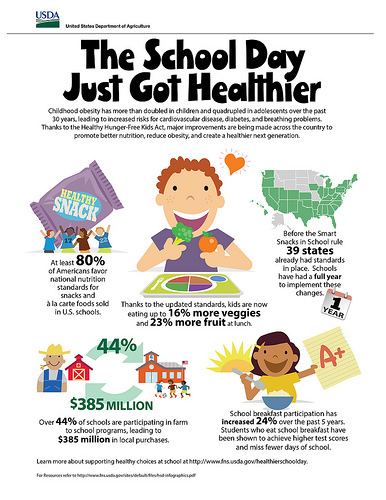
The new U.S. Department of Agriculture (USDA) guidelines for Smart Snack in Schools is working to help students have healthier snacks in schools, encouraging schools to stop selling foods high in unnecessary sugars, salts and fats like candy bars, sodas, and fried foods. In fact, new recommendations from the American Heart Association reveal that children and teens should consume less than 6 teaspoons of sugar a day. Are Smart Snacks in your school? Each snack offered must meet guidelines set by the USDA, including but not limited to sugar, salt, fat and calorie limits. Beverages are limited in schools as well, no soda is allowed to be sold and only 100% fruit or vegetable juice is allowed, although some juices still contain high amounts of natural sugars. Find out more ...