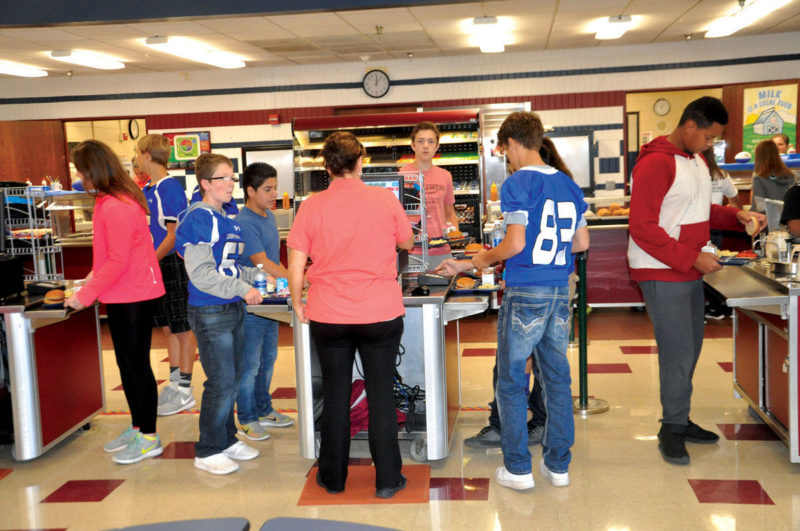
In working on reducing food waste since new rules went into effect in 2012, School Lunch Advisory Councils (SLACs) are now asking students to help other students eat healthier. SLACS, which are composed of a food service director, an educator, and two or three students, are using behavioral economics like encouraging students to nudge or encourage other students to consume more fruits and vegetables at lunch. Montana food directors told The Washington Free Beacon that once the cafeteria put up creative signage like the student's life-sized version of their coach promoting apples and moved their salad bar, lunch waste decreased by 35 percent. “Smarter Lunchrooms uses the basic principles of behavioral economics (the influencing factors behind people’s choices and behaviors) ...
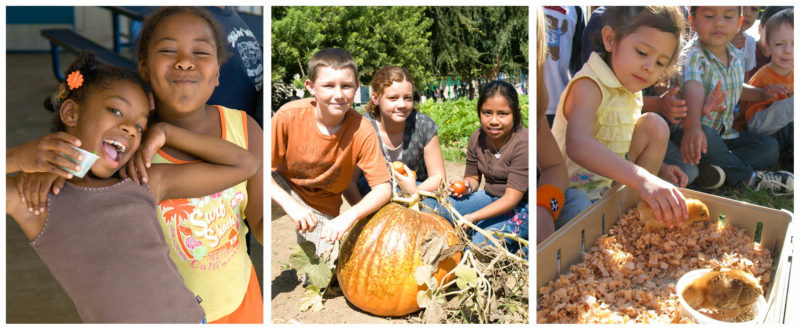
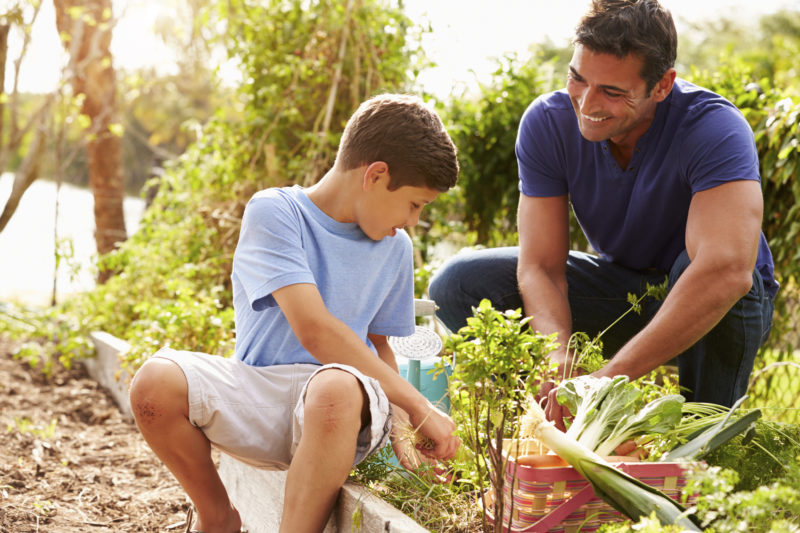
Get ready to get excited about healthy school food by celebrating national farm-to-school month! Every October farmers, families, students, educators and food enthusiasts of all ages celebrate healthy school food and raise awareness about improving child nutrition for all kids in all schools through farm-to-school programs. Our farm-to-school Salud Heroes have helped schools incorporate healthy foods in cafeterias, increase student awareness of healthy foods, grow school gardens and more! How can you get involved? Take the pledge, read inspiring stories, explore resources, or help spread the word! Learn more here! Also, follow #farmtoschool or #f2SMonth on social media to join the ...
Owatonna Public Schools in Steele County Minnesota (7.5% Latino) are celebrating National Farm to School month this October by continuing to implement healthy changes in school lunches. Since 2014 the district has been working with local vendors as much as possible, after receiving $100,000 in grants from Blue Cross Blue Sheild of Minnesota and the US Department of Agriculture the school district has incorporated more fresh turkey meat, and fruits and vegetables from local farmers. Food hubs have also helped bring the school to work with local food vendors who deliver fresh fruits and vegetables to the hubs and then are delivered to the schools. Even options like pizza or hamburgers only available in the High Schools are made with local dough, low-fat cheese, meats without fillers, ...
Sodium is found in many processed food products, like cheese and lunch meats. It's also packed into some foods we don't expect, like frozen lunches or canned beans. Many times when packing a lunch for our kids we might not heed daily recommendations for our kid's sugar and sodium intake, but the American Heart Association has a list of dietary recommendations to follow to help keep sugars and sodium foods to a minimum. Also, Wral.com has suggested 8 simple ways to keep daily sodium intake low. Model healthy eating to your kids.
Consider the school lunches menu and see how healthy it can be!
Go online before dining out at night to research nutritious information on popular dishes that can help you stay in check of high sugar, sodium or calorie amounts.
Pack school ...
The PEW Charitable Trusts is encouraging parents to eat with their kids during September and bring awareness to healthy eating during National Childhood Obesity Awareness Month. Here are some tips to help students know their parents, grandparents or family members support them in healthy eating. Make a date! Enjoy lunch with your child to see exactly what is offered in school meals and show support to school staff and students who are making healthy meal choices. This can help support mindful eating as well, giving students a warm supportive environment for healthy food choices.
School meal for dinner? Yes, that's right! Ask your school nutrition director for a recipe your child might like and make it at home for dinner. This gives children a way to get involved and parents a ...
The Parent Teachers Association (PTA) has geared up to help ensure that students have access to and participate in nutritious school meals. Laura Bay, president of the National PTA explained in a press release that students learn better when they eat better, and a strong school meal program can help children receive more than half of their daily nutrient needs. The PTA plans to award over $60,000 in grants to schools and PTAs across the country. Three schools will receive $5000 each, and another 25 PTAs in Alexandria, VA will receive grants of $2000 each. A collaboration between The Pew Charitable Trusts and the Robert Wood Johnson Foundation created the Kid's Safe and Healthful Food Project which helps fund in part The Healthy School Meals grants. The PTA also plans to help ...
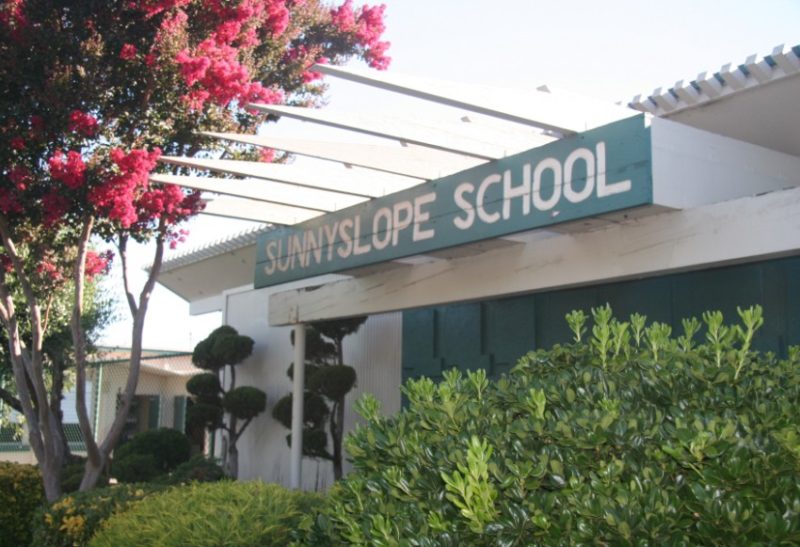
Students in the Sunnyslope school in Hollister School District within Hollister, Calif. (65% Latino) were introduced to a fresh school salad bar yesterday as a new partnership blossomed. Sunnyslope school the Hollister School District will now get to enjoy fresh local grown produce from the Grower-Shipper Association Foundation as a partnership between the district and the Grower-Shipper's Foundation are working together to fight against childhood obesity in the school environment through giving more kids access to fresh vegetables in local schools. "It is an amazing sight to not only see the students excited about salad but also enjoying it as a healthy lunch option," Joe Rivas, Sunnyslope's principal told local news source BenitoLink. It's true, Latino-majority schools often ...
Do you have a home or small urban garden? Compost pile? According to a new study, you may be helping the environment and reducing climate change. Researchers from the University of California at Santa Barbara studied how well-tended gardens for every family home in California may help increase the chance of the state reaching its goal of reducing emissions by 2020. The study reveals that anyone who gardens in their home or backyard could help contribute to reducing two pounds of carbon emissions for every pound of homegrown vegetables consumed. Latino's often miss out on gardening opportunities or fresh food access in their neighborhoods, studies show. Reducing access to growing healthy foods could also increase the high risks that Latino's already face in dealing with ...
Bilingual efforts in educating students about the benefits of living a healthy life are changing Colorado (21.3% Latino) charter schools statewide. The Colorado Health Foundation joined up with the Colorado League of Charter Schools to focus on health and wellness in schools. The way the program works is allowing nearby charter schools to collaborate with each other and create "pods" that are more sustainable, Rainey Wikstrom explained to Watchdog. Working in school wellness since 2004, Wikstrom has since then been a leader in increasing healthier school food, physical activity and teacher training for schools in the area. The program creates these hubs of health, allowing up to three charter schools to write a grant together, collaborate with each other and see what models ...