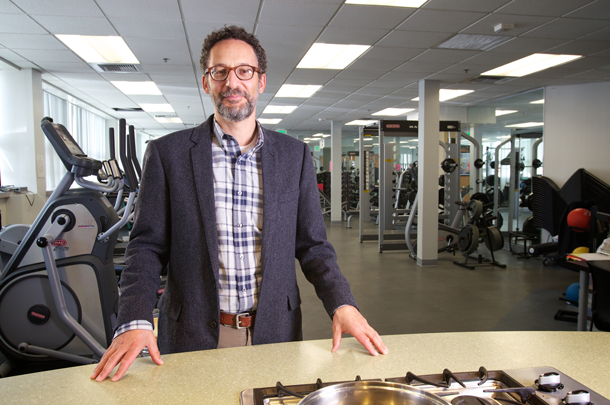
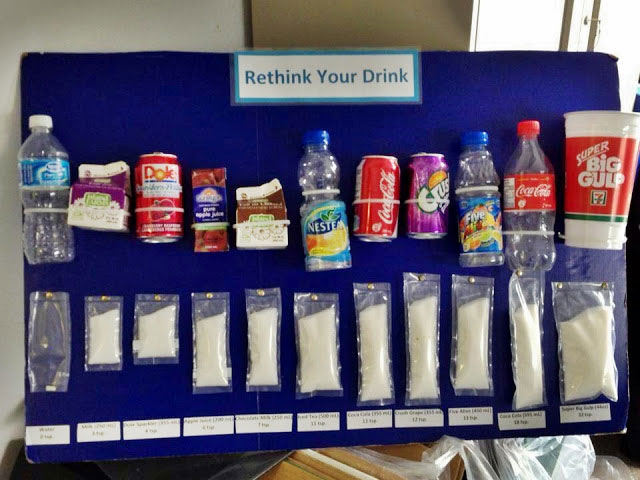
Two projects from the Keck School of Medicine of University of South California National Institutes of Health for obesity research have been awarded funding to support research focused on preventing and treating obesity-related fatty liver disease in Latinos. Michael Goran, Ph.D., professor of preventive medicine, co-director of the Diabetes and Obesity Research Institute and director of the Childhood Obesity Research Center at the Keck School, was the recipient of both grants and will be leading the research efforts. Prior work from the Goran lab showed that early introduction of sugary beverages to Latino infants was associated with higher prevalence of obesity. Going off this information, one of Goran's project swill examine how reducing sugary beverage consumption for ...
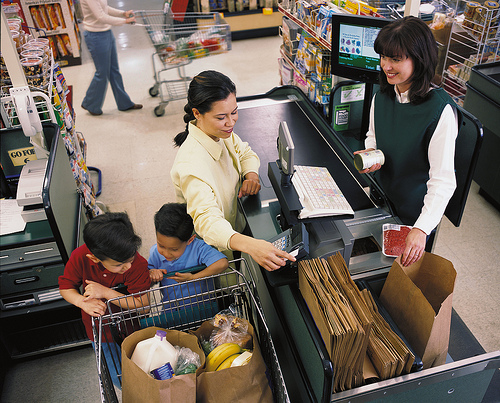
Telling reporters and gaining attention from Good Morning America, Michigan mom, and healthy food advocate, Jane Kramer has started a petition towards healthier checkouts for retailers. The mom explained in her online petition, that stores should do more to combat the obesity epidemic, by providing shoppers with healthier foods at checkouts instead of encouraging impulse buys of junk food that are often sold with tabloids as well. Kramer is asking a specific retailer in Michigan, Meijer, that has over 220 stores across the state, to provide children's books along with healthier snack options at checkout lanes. More than 1,195 supporters have signed her petition to help create healthier checkout aisles where kids are often faced with soda, candy, and chips. As Kramers hopes, kids ...
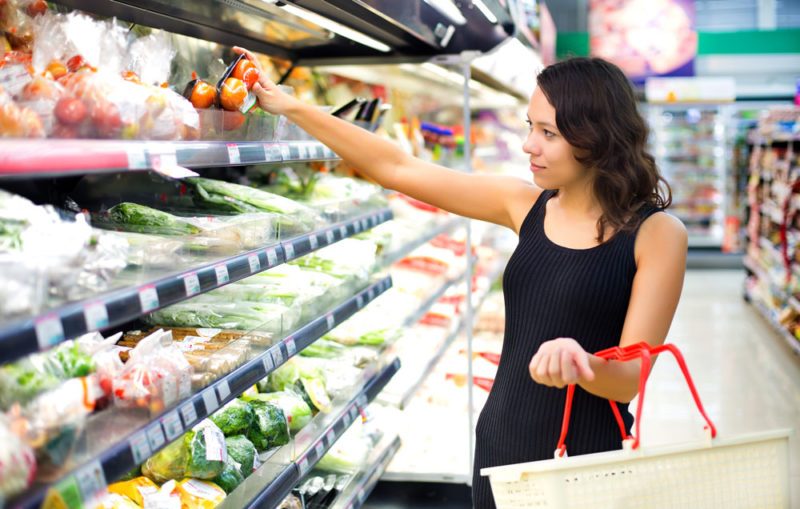
Latino communities often have more access to fast food and corner stores with less access to healthy foods, so ensuring healthier food access is available in corner stores is an important avenue to help bring healthier foods and diets to Latino neighborhoods. Research shows that increased access to supermarkets can help Latino communities economic vitality and is linked to healthier body weights, so how can corner stores play a part in healthier food access for Latinos? A new guide from the Food and Nutrition Service of USDA can help corner stores sell healthier foods, with strategies on marketing and displaying healthy food and beverage options, sourcing these options and making changes to their overall stores. The Healthy Corner Store Guide helps corner store owners learn how ...
What would you think of fruit slices or nuts in your grocery stores check out lanes? A recent study explored how consumers felt after a healthy in-store marketing study was conducted and how it can impact sales. Before the study was started, a pre-intervention study revealed many consumers had concerns and were annoyed with unhealthy snacks being placed and promoted throughout the store. Shoppers had reported a concern for many families that struggle with children pleading for unhealthy snacks at checkout, and believed stores should avoid unhealthy marketing. Candies and sugar confectionery were then replaced at one checkout lane in four stores. After four weeks interviews with consumers revealed positive attitudes towards the healthy marketing checkout lanes and ...
Ever had a song stuck in your head before? Well if it's Minneapolis youth's "Grow Food" song, it may just help you think more about healthy food. Rapping to encourage people to grow healthy food, teens from Minneapolis with the non-profit Appetite For Change (AFC), have made veggies like broccoli into latest and greatest rap song of 2016, according to Vibe. After working in the summer of 2016 with AFC's Youth Employment & Training Program that also worked with Beats & Rhymes, youth in Northern Minneapolis were inspired to create the "Grow Food" song, which has garnered over 136,138 likes and counting. The catchy song that raps phrases like "pullin' veggies out the garden" and "drinking water living longer, no processed drama", inspires youth to change their unhealthy ...
There are many options for dining out these days, but which restaurants offer healthier and more sustainable options for families? REAL, standing for Responsible, Epicurean, and Agricultural Leadership, is a nationally recognized mark of excellence for food and foodservice operators committed to holistic nutrition and environmental stewardship. The United States Healthful Food Council (USHFC), established in 2012, works to help restaurants become REAL Certified in three areas that show conscious health for the environment and the people. The goal is to make sure healthy choices are highlighted and offered, and that unhealthy options are limited or changed for families dining out. Through this certification, healthy changes are being made in restaurants all over the ...
The aftermath of Hurricane Katrina in 2005 left many cities deserted and families without access to grocery stores or healthy food access, but New Orleans took the rebuilding opportunity in 2011 with the Fresh Food Retailer Initiative (FFRI), seeded with $7 million to help invest in healthy food access for all New Orleans residents. On November 29th, eighteen legislators from states plagued with food deserts visited healthy food retail outlets in New Orleans, which were funded by their city’s Healthy Food Financing Initiative (HFFI), to learn how they could create similar programs in their states to benefit their constituents. HFFI's are a tool for state and local governments to bring new supermarkets and grocery stores to low-income, underserved communities and have been shown ...
This is part of our Sugary Drinks & Latino Kids: A Research Review »
Future research needs
Further research could focus on differences in SSB consumption and the effect on obesity and health among Latino subgroups, as most studies that tease out results by racial/ethnic group focus on Mexican Americans. More research is also needed on the beverages available and promoted in early child care settings and how new federal, state, and (where they have regulatory authority) local regulations impact this in both licensed and unlicensed child care settings. Further research on the potential impact of SSB prices and taxes on Latinos, particularly youths, could be conducted. It will be important to evaluate the taxes implemented in Philadelphia, Cook County, Ill., and the ...
This is part of our Sugary Drinks & Latino Kids: A Research Review »
Conclusions The large amount of added sugar consumed by Latino youths in the form of SSBs must be addressed, given the impact of this added sugar on obesity.
Young people are exposed to a wide variety of SSB advertising and promotion, with exposure among Latinos disproportionately high, despite voluntary efforts by beverage companies to reduce marketing to children.
Very few early childcare facilities report serving sugary drinks to children ages 0-5, but increased regulation can reduce serving of sugary drinks and increase promotion of water.
A more sizable price increase on all SSBs could have a significant effect on consumption of SSBs and could improve weight12,30–33,36,38,49,67,77,92,112–115 ...