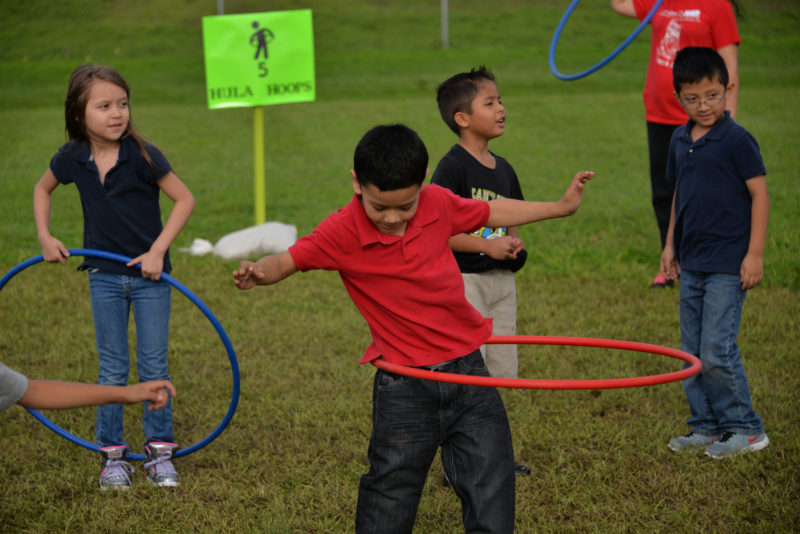
The Coordinated Approach to Child Health (CATCH) program is an evidence based physical activity and nutrition program for schools that promotes healthy food choices among children. For over 25 years, the CATCH platform has been the most cost effective means of preventing childhood obesity, in an environment that’s fun and easy to sustain. They are the originators of "GO, SLOW, and WHOA" for identifying healthful foods. CATCH has a new digital website! In Spanish, too! "The program aims to impact messaging a child receives in physical education, the lunchroom, the classroom, and the home, to form an effective resource that impacts a child’s choices not only in school, but lifelong." Share this with teachers, PE teachers, principals, school administrators, and student ...
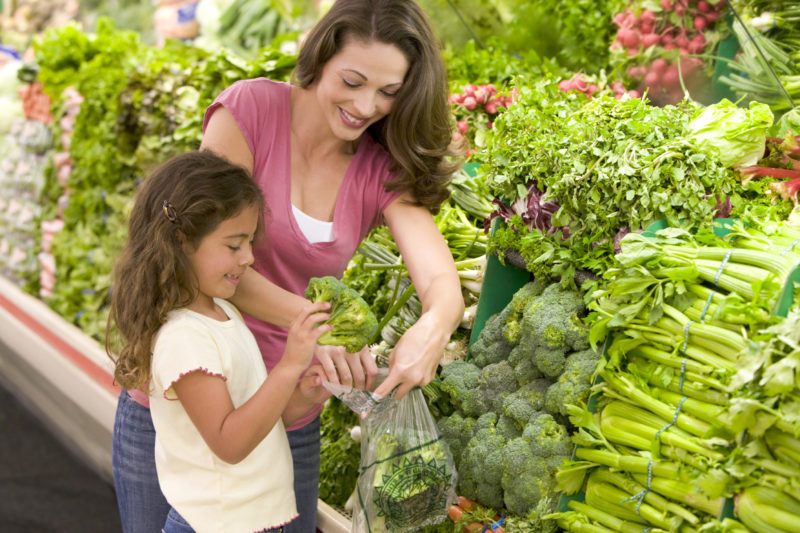
Looking to make an impact on California Latina's grocery store shopping habits, researchers looked at how watching videos on healthy purchases could help encourage healthier shopping habits among Latina's. As studied by previous researchers, interventions that are focused solely on providing access to healthier foods for underserved people is not sufficient in helping them to eat healthier. However, equipping "food gatekeepers" or those who make the purchasing decisions for food and family meals, with knowledge on nutrition and grocery list planning skills can be a way for low-cost effective interventions. For the intervention, two groups of Latina's were asked to watch two videos, the first one on guided shopping and the other video focusing on mindfulness to support intentional ...
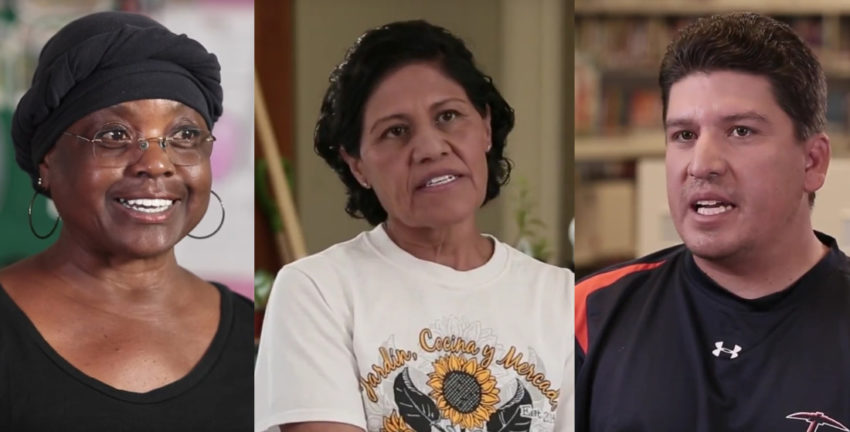
What makes a great teacher? Great teachers not only work hard to ensure the academic success and leadership skills of their students, they also help students develop healthy habits for life. That's why we at Salud America! are excited to spotlight some teachers who have gone above and beyond for the well-being of their students!
Ana Suffle: School Garden Maven
El Paso, Texas, shares its border with Mexico. This creates an interesting cultural dynamic where some students cross the border daily from Mexico to go to Bowie High School in El Paso. Ana Suffle, a 15-year teacher at Bowie, said many students eat cheap, addictive fast food instead of traditional Hispanic dishes filled with fresh veggies, spices and tons of flavor, according to a Salud Hero story by Salud ...
In Vinton County, Ohio a new grocery store is helping to provide access to fresh fruits and vegetables, where there once was a food desert, with little to no access to healthy foods, only processed foods. "We have to take people shopping because there's no place to shop. To pick up an average client in Vinton County were going to have to average at least 20 miles round trip and it can go up as high as 60 round trip," explained director of Vinton County Senior Services to You're the Cure GRA. Many advocates worked hard to help bring new grocery stores into the state including a new $2million dollar budget that included seed capital to create a Healthy Food Financing Initiative signed by Ohio Governor John Kaisich in June 2016. The new grocery store broke ground on Monday, March ...
SaludToday Guest Blogger
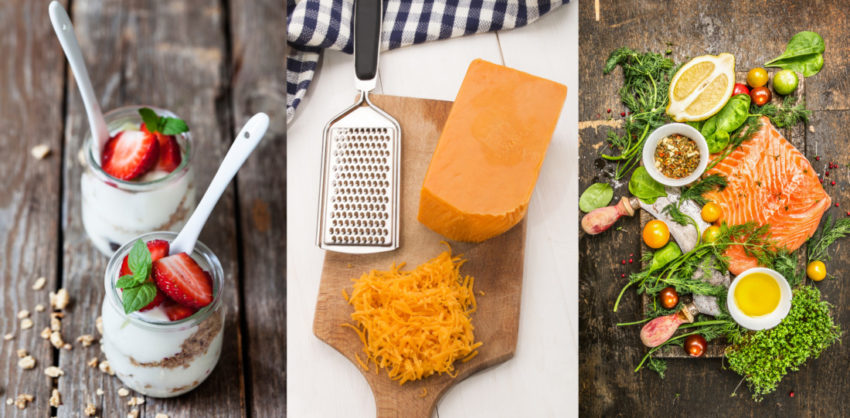
Jefferson Dental Care In the mouth of the average Latino adult, you will find eight decayed, filled or missing teeth—but you may not find enough yogurt or leafy greens. Eating vitamin-packed foods, like those, can fight cavities. Putting the right foods in your mouth also can reduce plaque, support oral health, and boost overall health (even if they can’t heal existing cavities). Here’s our guide for picking foods to give your mouth a healthy boost.
Dairy
1. Cheese is supercharged with calcium and phosphorus, which supports absorption of calcium, and vitamins D and K. In a 2013 study in the Journal of General Dentistry, researchers found that consuming cheddar cheese is effective at fighting cavities by raising the pH level inside the ...
Asthma is a serious lung disease that disproportionately affects Latinos – especially children. Numerous factors, including housing situations, economic status, and access to healthcare, weigh heavily on many Latinos with asthma. One report found that Latino kids are 40% more likely to die from an asthma attack than their white peers! Nearly 20% of all Latino kids under the age of 18 also suffer from asthma. While asthma never really goes away, it can be managed. One way is to watch what you eat. Food has an influence on asthma symptoms and some foods can make asthma worse. While not everyone reacts the same way, here are some common foods to avoid if you or someone in your family has asthma. Dried Fruit Many kinds of dried fruits include preservatives that are ...
With obesity rates rising for the Pacific Island Nations, islands like remote pacific island nation Vanuatu is planning to outlaw imported food throughout all the 12 inhabited islands. The plan is to keep government functions and tourist establishments free from junk food, and instead offer up healthy organic local foods like coconut, lobsters and more. Public health experts who study the island nations welcomed the ban according to the New York Times, that explains how millions of people are dealing with rising rates of type two diabetes, and it would be untenable to send patients abroad for dialysis treatment or kidney transplants. The World bank reported in 2014, that four Pacific island nations were dealing with female obesity rates of at least 50%. More than half of the ...
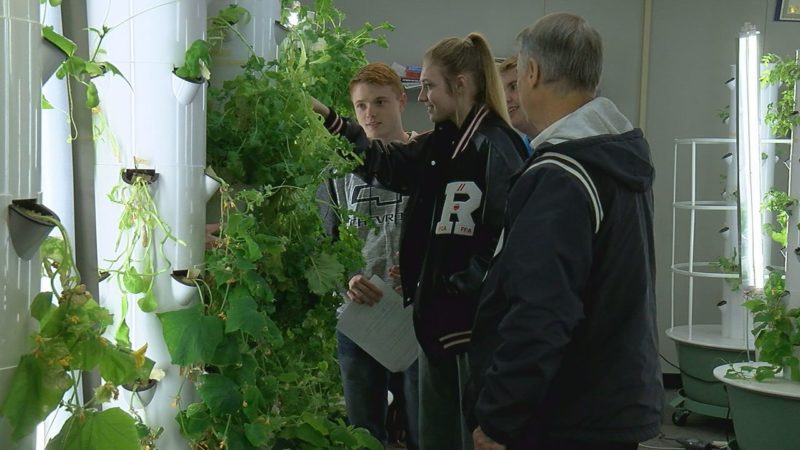
Gardens in schools are now becoming commonplace, as more and more schools see the benefits that gardens bring. Having a garden on campus not only opens up students learning to plant healthy foods but also encourages students to learn how to use science and math in gardens and may be used towards creating healthy eating environments in some cases. Rush Springs High School is now taking advantage of what used to be a storage room and transforming into an Aeroponic Tower Garden space. The class that goes with the garden is an entrepreneurial S.T.E.M class, teaching students not only how to grow healthy foods, but also allowing students to use food grown as a fundraiser to pay for more class projects, S.T.E.M teacher Larry Lance explained to local ABC News. Lance first came up ...
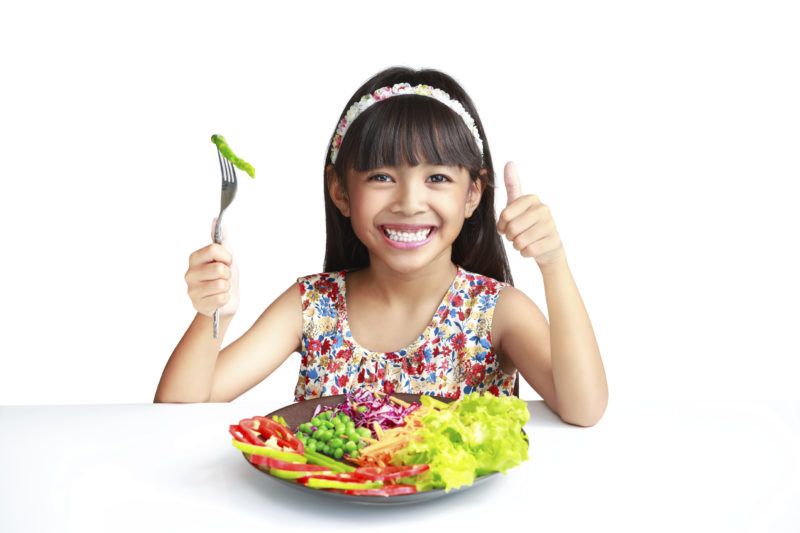
As many parents know, and research shows, US kids are not getting enough vegetables into their diets. Although there are many ways to hide greens into kids' diets, experts suggest to keep them in plain view on the plate. According to a study from the Centers for Disease Control and Prevention (CDC) reported that 93% of US children ages 1 to 18 do not meet current recommendations for vegetable intake. However, blending spinach into your child's favorite strawberry shake may seem a tempting way for them to "like" spinach, the best way to offer vegetables is repeated exposure up to 8 to 15 times, explained psychologist, Lucy Cooke to NPR. Through her own research, Cooke found that kids trying new vegetables at school or at home, were more likely to eat more of the same vegetable three ...