Yolanda Konopken knows 1 in 10 people have diabetes in Arizona. Her program to help families manage diabetes has been at full capacity for years at the Society of St. Vincent de Paul in Phoenix (41.3% Latino population). Konopken wanted to do more to prevent unhealthy weight from causing diabetes in younger children. She had an idea to start a new, bilingual education program to provide support and counseling for families with children at risk of diabetes. She worked hard to develop a bilingual curriculum and launch a fun program that involves the whole family in a series of culturally relevant classes to build children’s self-esteem and positive lifestyle behaviors, such as cooking healthier foods and getting active.
The Crisis of Obesity in Arizona Arizona has the ...
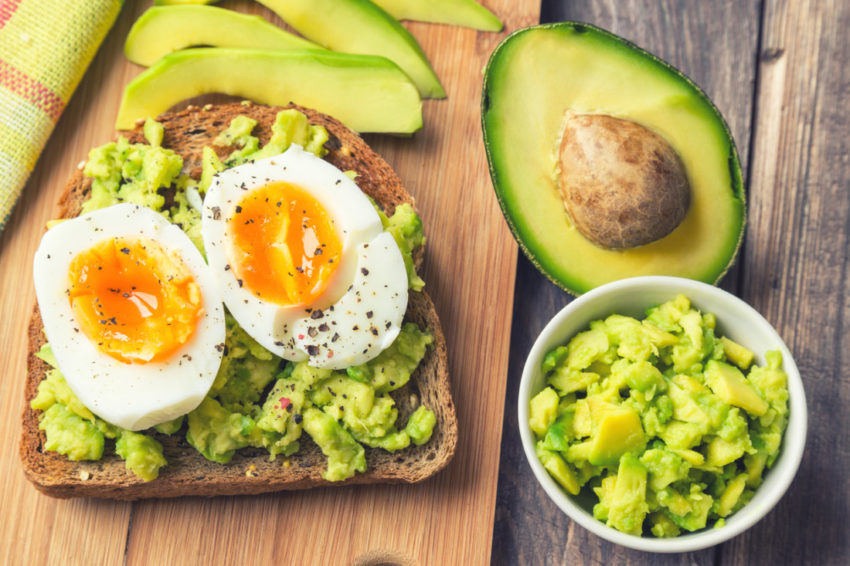
Eggs are sometimes called “nature’s miracle food.” The are found in nearly every culture’s diet around the world, and for good reason. Eggs are versatile to cook with. They are high in protein and nutrients, one of the few food sources of Vitamin D, and pretty tasty! Are Eggs Good for You? Over the years, debate has raged about the true health value of eggs, mainly due to being high in dietary cholesterol (which is found in the yolks). However, eggs are low in saturated fat, which is the bigger culprit when it comes to raising blood cholesterol levels. Because of these facts, eggs have been given the proverbial “thumbs up” from the 2015-2020 Dietary Guidelines for Americans by Office of Disease Prevention and Health Promotion. WebMd's Dr. Kathleen M. Zelman says ...
Need healthy recipes that can help your health? Cook For Your Life started in 2007 by Ann Ogden, helps cancer patients and others looking for healthy recipes to find advice on how to make healthy recipes that are designed specifically for different stages of cancer treatment. After being in treatment for the second time for triple negative breast cancer, Ogden began to find that many of her fellow chemotherapy buddies knew little about healthy food, and with her background of a family of chefs, she began teaching tips and cooking advice for healthy hands-on cooking classes. This led to her Cook For Your Life hands-on cooking programs that have served over 7,000 patients in the New York City Area, and have long-term collaboration with researchers from Columbia University and ...
A new study could tell why kids who are unhealthy weights respond to food differently than kids who are healthy weights. According to a study published in the Endocrine Society, the brain signals of children who are considered "obese" or fall under the unhealthy weight zone respond differently to pictures of foods than brain signals of kids who are at healthy weights, or are considered "lean". Trying to understand why kids with unhealthy weights still fell hungry after eating a meal, researchers from the study worked with Seattle Children's Research Institute and the University of Washington and used BASIC fMRI technology to understand brain signals that cause overeating. The trail included 54 obese kids and 22 lean kids ages 9 to 11, with the proportion of boy and girls the ...
A healthy movement is growing in Los Angeles (48.5% Latino) where schools are saying no to the unhealthy marketing of McTeachers nights. This week of May 12, 2015, schools are being asked to vote on nutrition and fundraising policies, including voting on policies around food marketing for local wellness school policies. The United States Department of Agriculture (USDA) has outlined updates for school districts on local wellness policies (LWP) to include a policy around food marketing in schools by June 30, 2016. School marketing includes any advertising, promotion of oral written, or graphic statements made for the purpose of promoting the sale of food or beverages, explains a resource from Voices for Healthy kids and the Center for Science in the Public Interest ...
Momsrising.org is asking mom's to become school wellness heroes to help make sure physical education and healthy foods are a part of school wellness policies. Kids spend most of their day at school, eating most of their calories and expending most of their energy at school, so it is vital for the school environment to be healthy. Currently, over 99% of schools are meeting new healthy snack standards, but with the new healthy school meal standards being rolled back around sodium, non-fat and flavored milk and whole grains, there is still so much work to do to make sure kids are in a safe and healthy school environment all day. You can help support health and wellness in schools before the end of June while school districts update their wellness policies. Get involved by dropping off ...
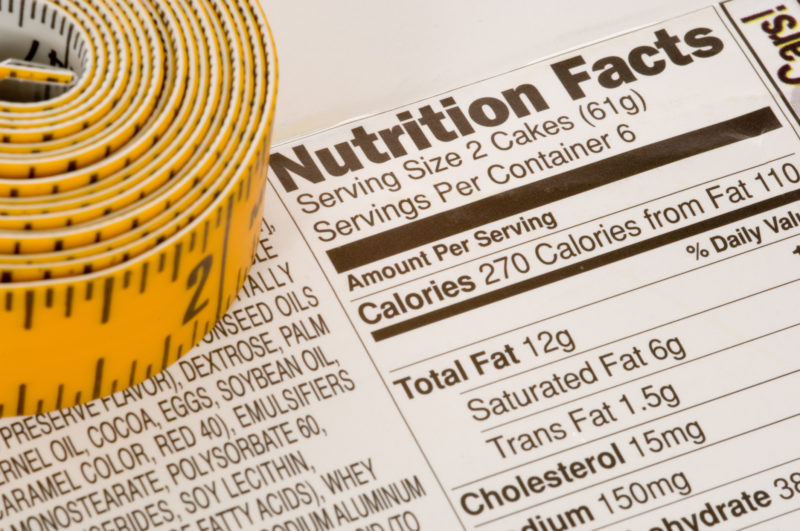
Although the recent menu labeling bill was pushed back for implementation until 2018 across restaurants, recent research reveals that removing and labeling unhealthy ingredients like trans fats can make a healthy difference for consumers. A study from JAMA Cardiology studied urban counties in New York State that restricted the use of trans fats in public eateries like restaurants, bakeries, cafeterias, park concessions and senior meal programs. The study concluded, after three years that there were there fewer hospital admissions for cardiovascular events in counties with a ban on trans fats. Since July 2003, the FDA approved labeling trans fats for consumers awareness on the dangerous ingredient that is often found in fast foods, baked goods, chips and can lead to higher ...
A labeling system, known as "Go, Slow, Whoa!" is being tested in Houston, Texas ( approx. 43.8% Latino) in 10 corner stores in low-income communities, to see how to promote healthier eating habits. The meaning behind the slogan "Go, Slow, Whoa!" is to encourage the healthiest items "Go" to be consumed the most often, "Slow" to be on food items that should be consumed in moderation and "Whoa" for packaged food items that should be avoided. The one-year project, being funding by the Texas Medical Foundation, is being researched in collaboration with the Texas A&M School of Public Health, the Baylor College of Medicine, the Texas Southern University College of Pharmacy and Health Sciences, and the Children and Neighbors Defeat Obesity Houston (CAN DO Houston). The plan ...
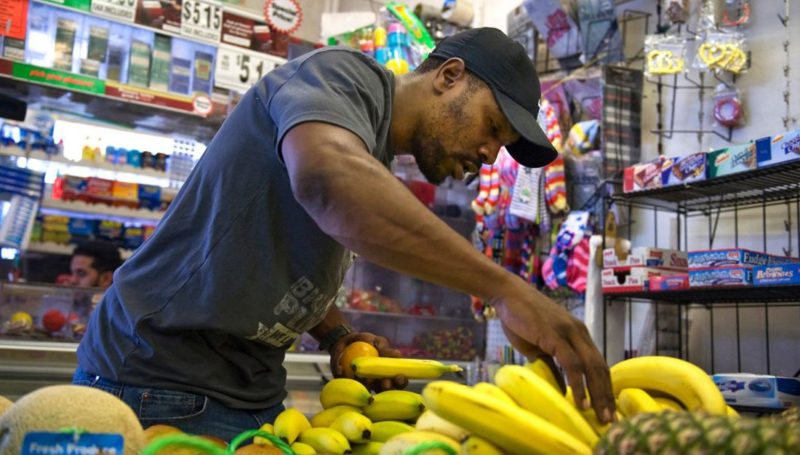
The new Double UP food Bucks Arizona (Double Up AZ) program is helping to ensure more people have fresh healthy fruits and vegetables in their diet. Having better access to locally grown organic foods is also helping to support local economic growth and health. Robert McClendon, a farmer in the region explained to local 12 News that this program opens up doors for families that couldn't afford the produce. Data were taken from St. Mary's Food Bank Alliance revealing that 18% of Arizonans don't have access to nutritious foods. Programs like this and other federally funded programs or Healthy Food Financing Initiatives (HFFI's) offer healthy food access to more families in need of healthier diets. Research shows that Latinos are likely to spend more on fruits and vegetables ...