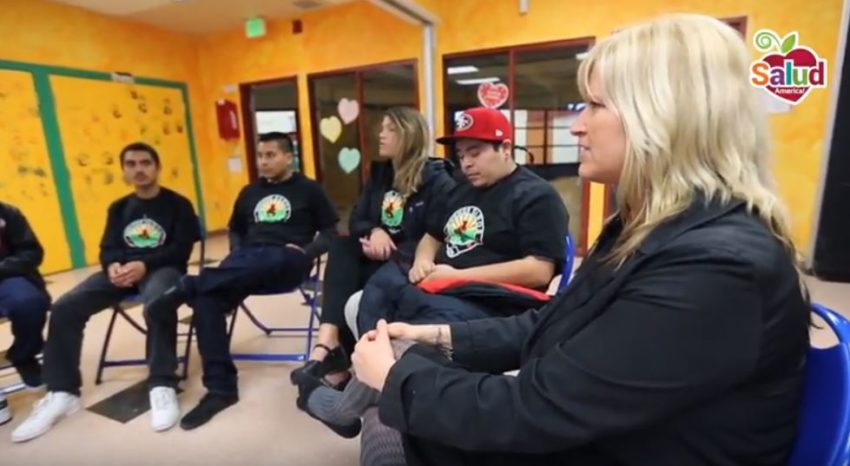
How can we best train tomorrow's leaders? By working with youth to lead healthy changes today! Register now for our next Salud America! Webinar on March 27 on how to mobilize youth to become community advocates! What: Mobilizing Latino Youth to Become Community Advocates
Time/Date: 12 p.m. CST, Tuesday, March 27, 2018
Host: Salud America!
Special Guest: Kymberly Lacrosse, a Salud Hero of healthy change Lacrosse has vast experience mobilizing youth toward action. Lacrosse has served as a community organizer for the United Way of Santa Cruz County, Calif, working with the youth group Jóvenes SANOS to create several healthy changes: Healthier food options at METRO transit stations;
Convincing community leaders to adopt a healthy restaurant ...
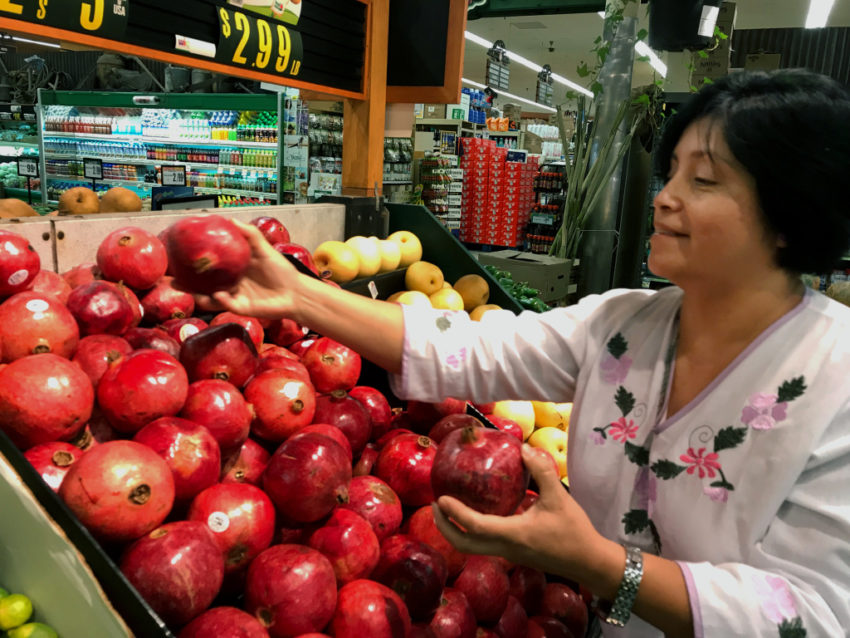
Food stamp recipients who buy fruits and veggies can get up to $40 more a month to buy extra avocados, squash, and other fresh produce, thanks to a new program to help Latino and other low-income families eat healthier, Kaiser Health News reports. This "Más Fresco" ("More Fresh") program started in 2017. It's for Supplemental Nutrition Assistance Program (SNAP) participants in Los Angeles, Orange and San Diego counties in California. Most of the program's 1,153 participants are Latino. "For every dollar worth of food stamps enrollees spend on fresh produce in a given month, they receive a one-to-one match, up to $10, $20 or $40, which they can spend only on more fruits and vegetables," according to Kaiser Health News.
Latinos Need Healthy Food Options
Latino families lack ...
Ricardo Rocha believes anyone can be a hero and improve local healthy food access. Even someone like him. Someone who grew up in a poor family that toiled to put food on the table in Mexico. Someone who immigrated to the deserts of New Mexico, and eventually Denver (31% Latino). Someone who was a struggling, undocumented high-school student. “I was not doing very well in high school. Someone there told me about the College Assistance Migrant Program," Rocha said. "That helped get me into [Metropolitan State University of Denver],” Rocha said. “I learned a lot about what it really meant to belong somewhere." Rocha wanted to do more than "belong somewhere." He wanted to make that somewhere better. So, when he noticed many people trying and failing to find healthy food ...
Amherst, Mass., is a 73% white city. But with an emerging Latino population that includes about 1 in 5 Spanish-speaking families with kids in public schools, city leaders are ramping up to meet Latino needs, MassLive.com reports. They're even setting aside $54,000 to create a Latino community food program. "When we look at food access (it) is a real issue," Julie Federman, the city's health director, told MassLive.com. "Getting to a grocery store, getting to an affordable grocery store can be really challenging." U.S. Latinos face a big lack of access to support for economic stability, wellness, and education. Latino children often fall behind in school, and social and physical development, according to a Salud America! research review. Latinos especially lack access to ...
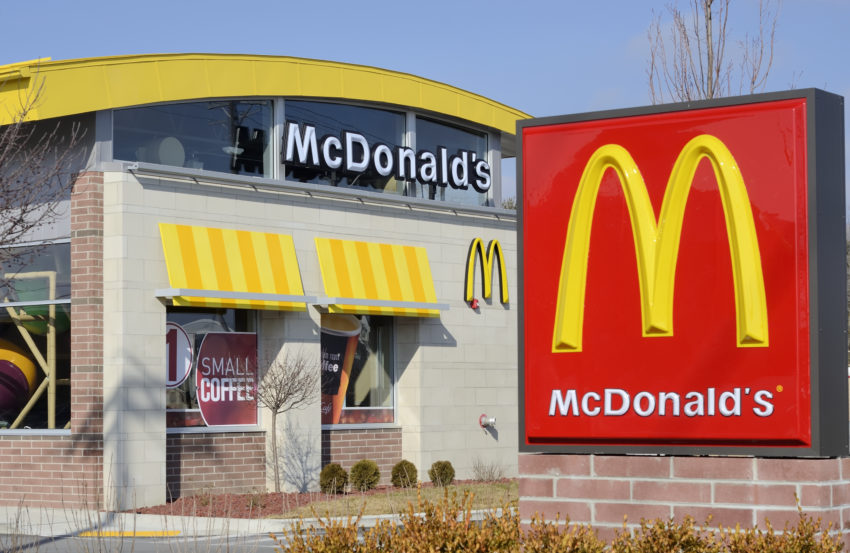
McDonald’s is removing cheeseburgers, shrinking French fry portions, and making chocolate milk less sugary in U.S. Happy Meals, in an effort to make its children's food more healthy, Reuters reports. The food company, first the first time, will set global limits for calories, sodium, saturated fat and added sugar in Happy Meals. The new standards will be implemented by June 2018. This is certainly a positive step. But it also begs the question: Can a Happy Meal really ever be healthy? This is an especially important question for Latino families. They tend to live in neighborhoods where fast food restaurants far outrank options for health food, according to a Salud America! research review. "Taken together, the changes do not transform burgers or chicken nuggets into ...
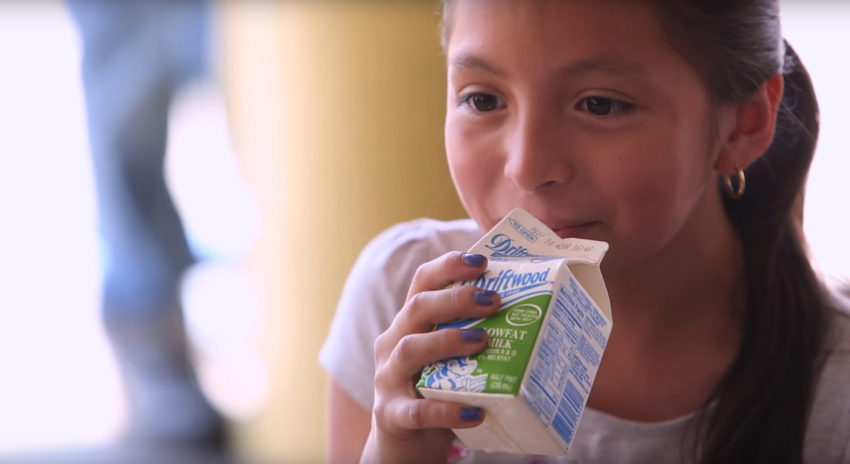
More than 700 Salud America! members and thousands of other people and groups across the nation submitted formal public comments to the U.S. Department of Agriculture (USDA) to oppose its proposal to weaken school nutrition standards! Way to go, Salud America! family! These comments urge the USDA to reconsider its proposal, announced Nov. 29, 2017, to allow schools to serve of refined grains over whole grains, flavored milk, and higher levels of salt in meals. The USDA has not announced any action since the end of the public comment period on Jan. 29, 2018. Still, there now is hope for the many Latino kids who depend on school lunch for a healthy meal, thanks to members of the Salud America! network and others who took action!
The Salud America! Response
The USDA proposal ...
Junk food marketing is a problem and hurts Latino kids’ health. To improve Latino kids’ health, we must remove obstacles to eating healthy, particularly targeted marketing of junk food. But how do you communicate this issue to others? Let's use #SaludTues on Tuesday, Jan. 2, 2018, to Tweet about shifting people’s thinking about targeted marketing of junk food to Latino kids. We will discuss messaging and communication tips to frame the problem as a health equity issue. WHAT: #SaludTues Tweetchat: “Framing the Problem of Junk Food Marketing to Latinos”
TIME/DATE: 1-2 p.m. EST Tuesday, Jan. 2, 2018
WHERE: On Twitter with hashtag #SaludTues
HOST: @SaludAmerica
CO-HOSTS: Berkeley Media Studies Group (@BMSG) and UConn Rudd Center for Food Policy and Obesity ...
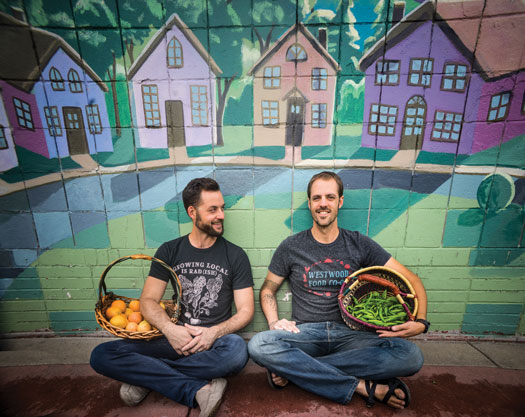
Healthy food activists Erick Kornacki and Joseph Teipel have a phrase to call the 81% Latino neighborhood of Westwood in Denver. A "food desert." For decades, Westwood residents have struggled to access healthy food. There are no nearby grocery stores or farmers markets. People lack transportation to find healthy options elsewhere to bring back. Kornacki, Teipel, and Westwood neighbors decided to take matters into their own hands. They began to build backyard vegetable gardens. They talked about how to create a food cooperative. They wanted to build the first community-owned and -run grocer as an oasis in this food desert.
Food Deserts Isolate Latinos from Healthy Food
In 2007, Kornacki and Teipel co-founded Re:Vision, a nonprofit that works on social justice and food ...
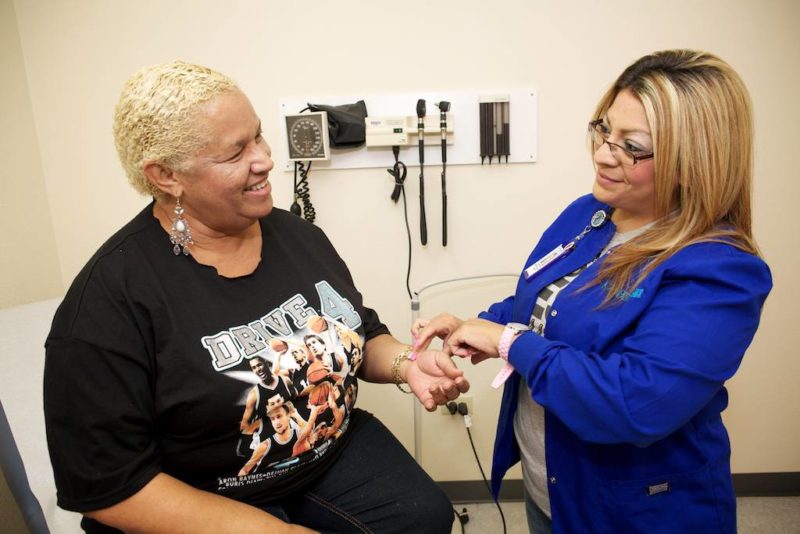
Latinos are less likely to seek health screenings or preventive care than their black and white peers, according to a new survey, American Heart Association News reports in English and Spanish. The Healthy Americas Survey indicates that: Only 55% of Latinos say they are vigilant about getting health screenings and checkups, compared with 68% of blacks and 60% of whites.
Latinos were more likely than blacks and whites to say they don’t have significant control over their health.
Only about 25% of Latinos say they earned more than $50,000 a year, compared with 47% of whites and 30% of blacks. “This is dangerous for the long-term health of U.S. Latinos,” Amelie G. Ramirez, Dr.P.H., a health disparities researcher at UT Health San Antonio and director of the Salud ...