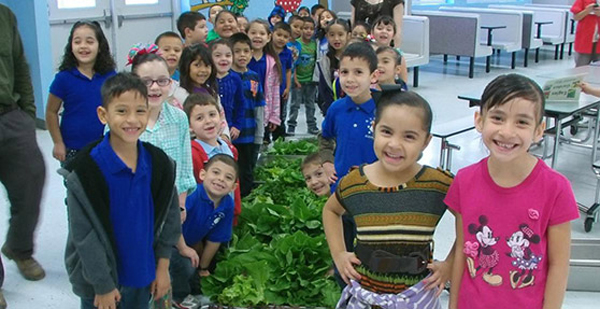
Fewer than 40% of San Antonio residents are within a 10-minute walk of a park. Better local access to green spaces is critical, given that exposure to nature can boost children’s academic performance, physical activity and mental health. That’s why San Antonio has joined the Cities Connecting Children to Nature Initiative. The initiative, which started in 2016 as a pilot project to increase equitable access to nature in seven cities, expanded to include 11 more cities in 2018. As one of the 11, San Antonio will get 2.75 years of technical assistance and $75,000 in planning and implementation grants. But just how will San Antonio increase kids’ connection to nature?
San Antonio Lacks Access to Parks
Most of the U.S. population lives in urban areas, where inequitable ...
Good vision and eye health are vital to many aspects of health, yet Latinos have higher rates of vision loss, diabetic eye disease, and cataracts than their white peers, according to recent eye research. May is Healthy Vision Month! This is a great time to learn the risks of eye diseases and how they can help everyone, especially Latinos, take preventative measures. To celebrate Healthy Vision Month in May, let’s use #SaludTues on Tuesday, May 15, 2018, to tweet about the latest on Latino eye health and what can be done to prevent vision loss and other eye conditions! WHAT: #SaludTues Tweetchat "Healthy Vision Month"
TIME/DATE: 1-2 p.m. ET (Noon-1 p.m. CT), Tuesday, May 15, 2018
WHERE: On Twitter with hashtag #SaludTues
HOST: @SaludAmerica
Co-Host: National Eye ...
Childhood Trauma is a big reason many students miss school. Whether its neglect, abuse, or poverty, trauma hinders a child's brain, body, and future success. How can schools help students deal with trauma and reduce absenteeism? Register for our webinar on May 29, to get free tools and support to help you start a Trauma-Informed Care system in your school district! Our webinar will feature John Hernandez, director of student services at East Central ISD in San Antonio, who pushed district leadership for support, fund advocates at each campus, and eventually created a trauma-informed identification and monitoring system into his district's existing software program. What: How to Start a Trauma-Informed System in Your School District
Time/Date: 12 p.m. CST, Tuesday, May 29, ...
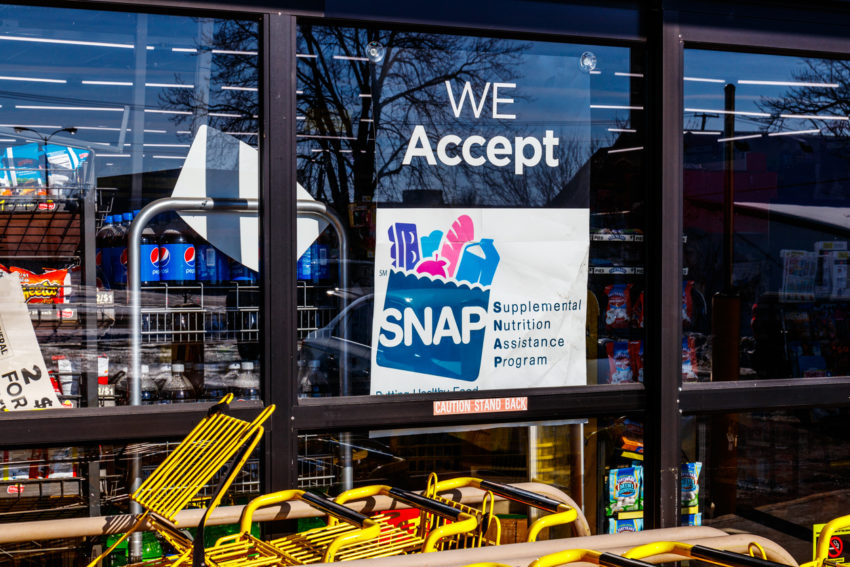
UPDATE: After the U.S. House failed to pass the Farm Bill on May 18, 2018, reports surfaced June 20, 2018, that the U.S. House will "take a second look at their version of the Farm Bill, which again would jeopardize SNAP. A proposal to cut $20 billion over the next 10 years from the Supplemental Nutrition Assistance Program (SNAP) program as part of the proposed Farm Bill would dramatically impact Latino health, according to various reports. Latinos comprise more than 20% of participants in SNAP, commonly known as food stamps. SNAP benefits Latinos in a variety of ways, from accessing healthy food to lifting them out of poverty. Cuts to SNAP in the proposed Farm Bill, set to expire in September 2018, could jeopardize that aid by cutting support and adding barriers to ...
What are you doing for Cinco de Mayo? Many will use it as an excuse to party with margaritas and tacos. We at Salud America! invite you to think outside the box and celebrate Cinco de Mayo in one of six unconventional ways.
1. Find Out What Cinco de Mayo Really Means
Cinco de Mayo ("Fifth of May") does not celebrate Mexico's Independence Day. Mexico won independence on Sept. 16, 1810. Cinco de Mayo commemorates the Mexican Army's unlikely victory over the French Empire at the Battle of Puebla, on May 5, 1862, under the leadership of General Ignacio Zaragoza. Still, it has evolved into an observance of Mexican heritage. "In the 1950s, Chicano activists turned Cinco de Mayo into a commemorative holiday used to educate Mexican Americans about their cultural heritage," ...
Latino college students are far less likely than their white peers to complete their degree, and more likely to still be enrolled beyond six years on their path to a degree, according to a new report. The report, College Completion through a Latino Lens, is from Excelencia in Education. They examined the Latino-focused findings from an analysis of college completion rates by race/ethnicity from a 2010 student cohort, which was led by the National Student Clearinghouse Research Center. Key points from the Excelencia in Education report show: About 45.8% of Latino students earned a 2- or 4-year degree within six years. This is a lower completion rate than their White peers (62%) and higher than their Black peers (38%). One in every five Latino students were still “in ...
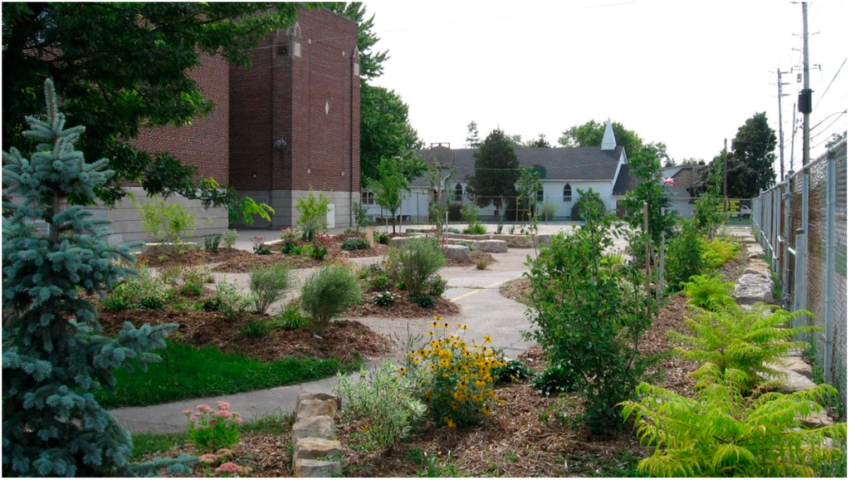
Austin, Texas has many "nature gaps." In these areas, families lack parks for kids and families to play, which hinders their mental and physical health. Government and school officials in this 38% Latino city wanted to connect children with nature, which can boost students' academics and health. Their solution? "Green School Parks" that combine outdoor learning in nature during school time and act as a park for the community during out-of-school time.
The Fist Step to Green School Parks
More than two-dozen schools across Austin have shared use agreements that help fill the nature gap. In these agreements, schools open their schoolyards to the public after school and on weekends. But not all schools have green play areas—some are just asphalt. Fortunately, in ...
Latino children and youth face more poverty and greater gaps in education and health than their White peers, according to the 2018 County Health Rankings. Sadly, this puts Latino kids at a disadvantage when it comes to becoming successful adults. How can we help connect these kids to better opportunities? Let’s use #SaludTues on Tuesday, May 8, 2018, to tweet about the state of Latino health and what leaders and groups can do to advance health equity and opportunity for Latino children and youth! WHAT: #SaludTues Tweetchat─Creating Opportunity: Connecting Latino Youth to Brighter, Healthier Futures
TIME/DATE: 1-2 p.m. ET (Noon-1 p.m. CT), Tuesday, May 8, 2018
WHERE: On Twitter with hashtag #SaludTues
HOST: @SaludAmerica
CO-HOSTS: County Health Rankings ...
A food desert covers 52% of the Rio Grande Valley on the Texas-Mexico border, according to a recent assessment by the Working on Wellness project at Texas A&M University, the Rio Grande Guardian reports. Food deserts are areas more than 2 miles or 15 minutes away from a grocery store. People in Rio Grande Valley food deserts are predominantly Latino with low income and no transportation, according to the assessment by Working on Wellness. Fortunately, Working on Wellness is taking action to help. “We found out there were still a lot of areas that could be improved in terms of access whether that be walking trails, sidewalks, or healthy food retail-like groceries,” Evelia Castillo, Working on Wellness coordinator, told the Rio Grande Guardian. "So we’ve been working ...