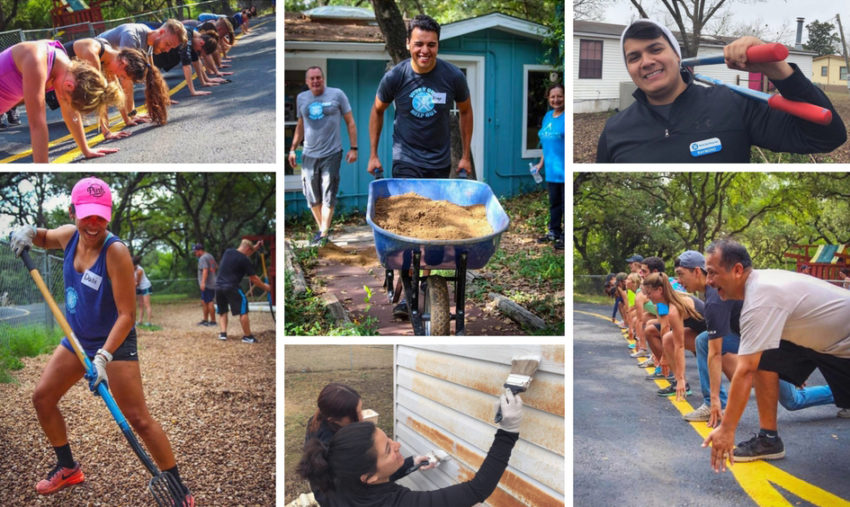
Paul Rezaei loved being physically active as a kid, so much so that he became a personal trainer and has helped people get fit in San Antonio for 10 years. One day, as Rezaei watched people spend energy to jog on treadmills and move weights, he had a revelation: "Can't we do this [work out] while doing something positive for the community?" Rezaei wanted to host events where people could work out—and at the same time serve as volunteers to create gardens, help at-risk families, and improve the community. How could he make it happen?
Physical Inactivity and the Need for Healthy Spaces
Rezaei, a trainer at Life Time Fitness, sees many people in San Antonio (67% Latino) struggle to get the recommended daily physical activity. More than half of adults here are obese or ...
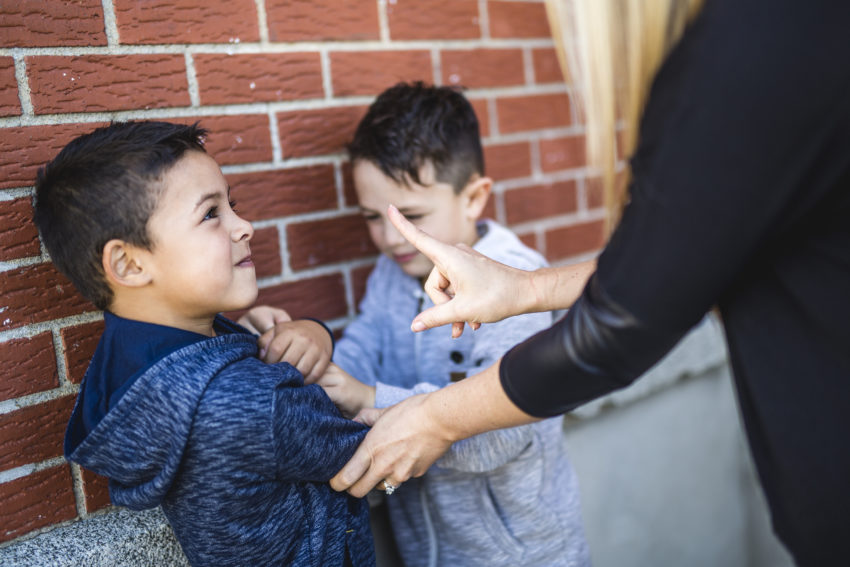
Texas school districts are suspending young students at alarming and disproportionate rates, according to a new report by Texans Care for Children. The report identified 64,773 in-school suspensions and 36,475 out-of-school suspensions of pre-K through second-grade students in Texas in 2015-2016. Students who are black, male, or in special education or foster care were disproportionately suspended. Taking preschoolers out of class denies them valuable learning time and spurs negative thoughts about school and how they fit in. Suspended students are more likely to have poor grades, continue misbehaving, and drop out of school, which harms lifelong mental and physical health. Latino kids especially risk not getting the social support they need for healthy development and disease ...
You have spoken up big-time for healthy physical activity! In fact, Salud America! network members provided 73% (203) of the 278 public comments made during the U.S. Department of Health and Human Services' comment period to help shape the next edition of its Physical Activity Guidelines for Americans. Public comments will be considered alongside a new report released by the Physical Activity Guidelines Advisory Committee. The guidelines haven’t been updated since 2008. "Salud America! members' big participation in the public comment period will likely play an important role in ensuring the equity in the new Physical Activity Guidelines for Americans," said Dr. Amelie G. Ramirez, director of Salud America! and leader of the Institute for Health Promotion Research at UT Health ...
You wanted healthier guidelines and spoke up to make it happen! To fuel change in Latino and all communities, Salud America! recently asked its national network to take action by submitting comments to the USDA, as it works to develop its 2020-2025 national dietary guidelines. USDA received 5,800 public comments, including 639 from Salud America! members (11% of all comments)!
2020-2025 Dietary Guidelines for Americans
Every 5 years the USDA updates the national dietary guidelines in order to promote healthy living and prevent chronic disease. Regular updates to the guidelines are mandated through the National Nutrition Monitoring and Related Research Act of 1990, according to regulations.gov. As the next cycle of updates rapidly approaches, many are looking to the USDA in ...
Several recent studies have shown that childhood obesity is on the decline. But are they right? Maybe not. New research indicates obesity rates among 2-5-years-olds have "sharply increased" and are at their highest since 1999, according to an interview by NPR's Lulu Garcia-Navarro of Dr. David Ludwig of Boston Children's Hospital. Garcia-Navarro's interview with Dr. Ludwig explores what science and "short-term studies" got wrong about obesity. "When you look at short-term studies, movement in the result numbers can go up and down without any real meaning. Looking back, public health experts now know that the changes we thought we saw were really just statistical flukes, and that obesity rates among children are the highest ever," according to Dr. Ludwig on NPR.
What Science ...
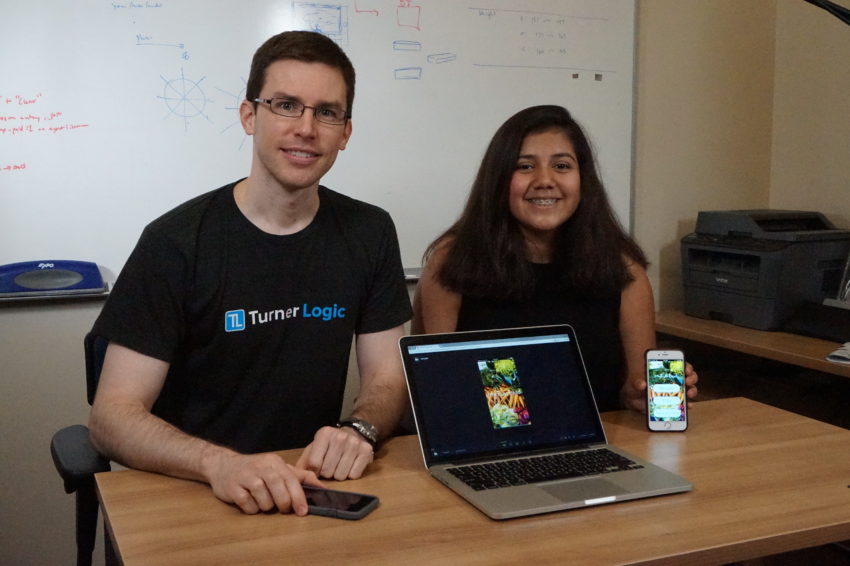
Isabella Jimenez of San Antonio isn't a normal 13-year-old. When Isabella watched in shock as her classmates ate only potato chips or candy bars for lunch day after day, she didn't just shrug it off. She gave herself a call to action. "Why not create a kid-friendly app with recipes and health tips for [students and] the whole community?" Isabella asked.
Isabella's First Step In many Latino communities, like San Antonio (68% Latino), students are more exposed to unhealthy food in and out of school, according to a Salud America! research review. Isabella saw this in her school, Lee High School in North East ISD in San Antonio. "It's mainly concerning, because [chips and candy bars are] what they're putting into their diet,” Isabella said. Isabella wanted to find a ...
The USDA wants your opinion to shape the 2020-2025 Dietary Guidelines for Americans! The guidelines aim to help people choose an overall healthy diet. They have specific nutritional targets and dietary limits for children (ages 2-18), adults (19-64), and older adults (65 and older). Now, for the first time, the guidelines will cover pregnant women and babies (birth to age 2). What do you think the guidelines should recommend? How does it impact Latinos? Speak up! Copy a model public comment developed by our Salud America! research team, click the "submit" button, and paste the comment in the USDA's comments submission website by March 30, 2018. Model Comment: General
I urge the USDA and HHS to create the strongest possible Dietary Guidelines to ensure that all kids, parents, ...
How can we best train tomorrow's leaders? By working with youth to lead healthy changes today! Register now for our next Salud America! Webinar on March 27 on how to mobilize youth to become community advocates! What: Mobilizing Latino Youth to Become Community Advocates
Time/Date: 12 p.m. CST, Tuesday, March 27, 2018
Host: Salud America!
Special Guest: Kymberly Lacrosse, a Salud Hero of healthy change Lacrosse has vast experience mobilizing youth toward action. Lacrosse has served as a community organizer for the United Way of Santa Cruz County, Calif, working with the youth group Jóvenes SANOS to create several healthy changes: Healthier food options at METRO transit stations;
Convincing community leaders to adopt a healthy restaurant ...
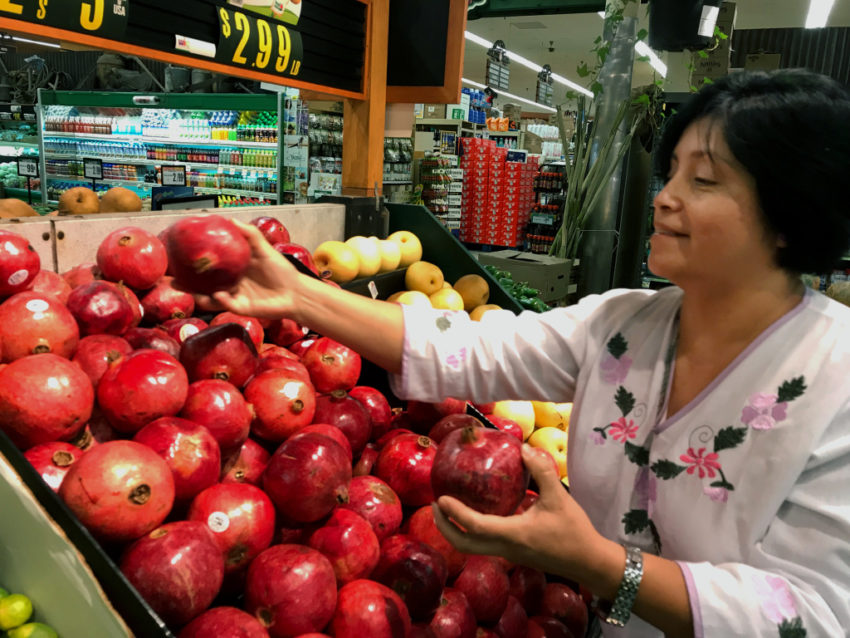
Food stamp recipients who buy fruits and veggies can get up to $40 more a month to buy extra avocados, squash, and other fresh produce, thanks to a new program to help Latino and other low-income families eat healthier, Kaiser Health News reports. This "Más Fresco" ("More Fresh") program started in 2017. It's for Supplemental Nutrition Assistance Program (SNAP) participants in Los Angeles, Orange and San Diego counties in California. Most of the program's 1,153 participants are Latino. "For every dollar worth of food stamps enrollees spend on fresh produce in a given month, they receive a one-to-one match, up to $10, $20 or $40, which they can spend only on more fruits and vegetables," according to Kaiser Health News.
Latinos Need Healthy Food Options
Latino families lack ...