by
by Share On Social!
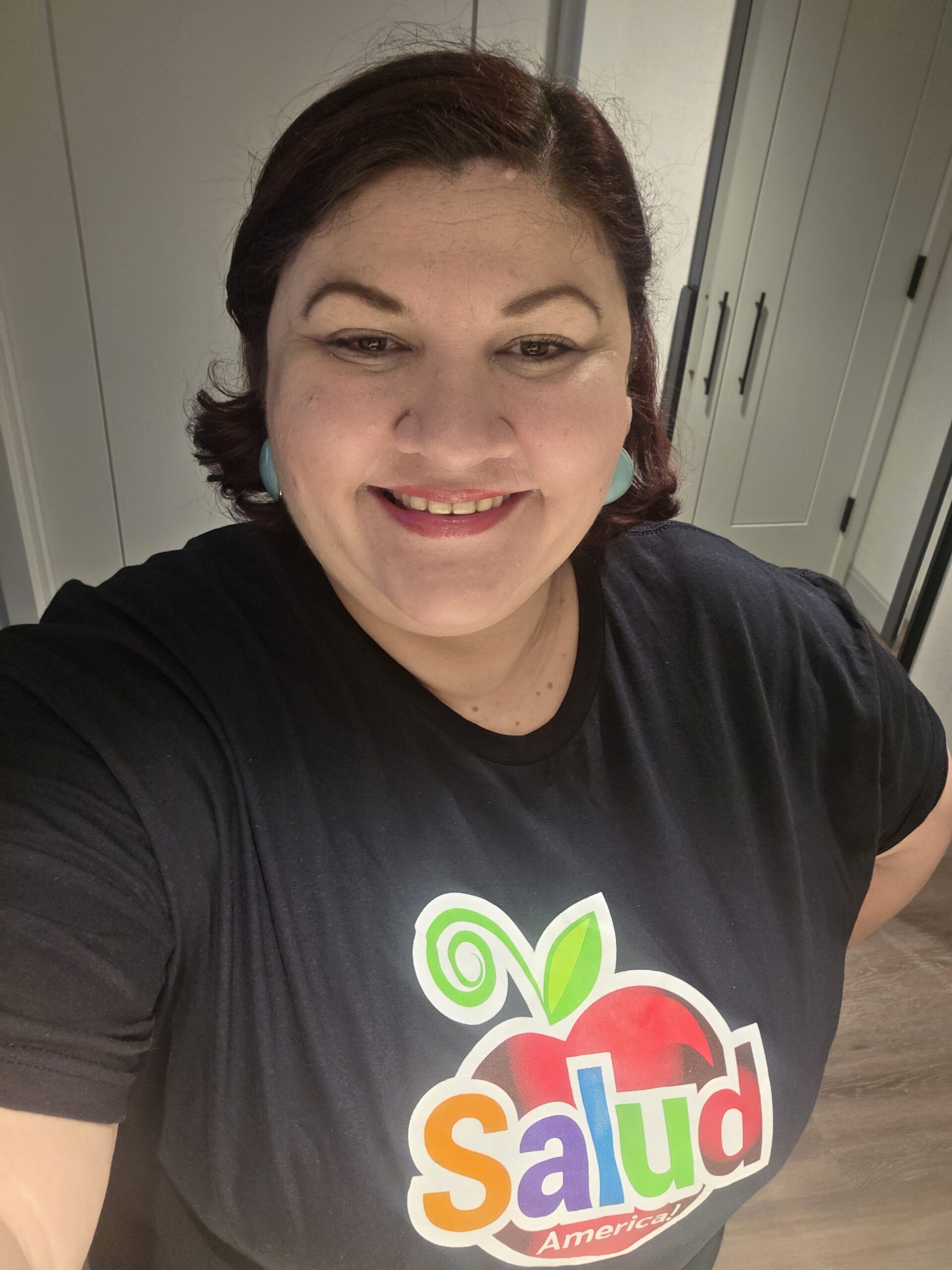
For Claudia Perez-Favela, cancer has always been the elephant in the room.
Claudia has seen her Latino family members endure cancer and even perish from the disease over the years. Yet they never openly shared their experiences.
“In my family, cancer is like the flu,” she said.
Because cancer is such a taboo subject in her family, when Claudia got cervical cancer from the HPV virus, she couldn’t turn to her family for support.
“They are gonna say … I got cancer because I did something wrong … we don’t talk about cancer,” she said.
Instead of staying silent, Claudia shook off the stigma behind her diagnosis and started to share her story and challenge the harmful falsehoods behind HPV so women like her can stay informed against cancer.
Claudia Perez-Favela: Challenges to Health Care
Claudia was born and raised in Sinaloa, Mexico, and immigrated to the U.S. in 2010 when she was 30 yearsold.
She and her husband settled down in San Diego with their children.
While living in San Diego, the family didn’t have health insurance, forcing them to drive several hours across the border to receive care.
“My husband had a job, and we were low income. I didn’t know I qualified for any program. I tried to apply, but I didn’t qualify,” she said.
Whenever Claudia needed gynecological care, she visited her doctor, who had overseen her pregnancies and the treatment of her polycystic ovary syndrome (PCOS), which is a hormonal disorder that affects the ovaries and can cause disruptions in menstruation.
The family later moved to Imperial Valley, Calif., a small town located along the Mexican border. But it was stilla lengthy trip to Tijuana to get her yearly pap test.
After her mother died of ovarian cancer, a reproductive cancer, in 2013, Claudia was taking all necessary precautions with her health.
One day in 2017, she got her period, but something was noticeably different.
“It was so much higher than other times. It was like a hemorrhage. I couldn’t stop bleeding. It was very high bleeding and I was worried. It was a red flag, because my mom, before she was diagnosed with ovarian cancer she went through the same thing,” Claudia described.
Claudia knew right away she needed to be checked. She made an appointment with a doctor that coincided with a summer family vacation to Tijuana in three months.
By the time she saw the doctor, the bleeding had subsided, and there was nothing that needed to be treated.
This was a wakeup call for Claudia.
She needed to establish herself with an American doctor to keep up with her preventative care.
After being placed on her husband’s insurance, Claudia set out to find a doctor, but navigating the American health care system was difficult and confusing.
Claudia couldn’t wrap her mind around the long waiting lists for appointments and not being able to be seen when she could call for an appointment in Mexico and be seen the next day.
When she was finally able to see a provider, Claudia explained her symptoms and her family history of cancer,and they ordered a pap test along with a biomarker screening and told her they would call if they found anything.
“I always say I was looking for ovarian cancer,” Claudia said.
Her pap test came back normal.
But two weeks later she got an unexpected call.
“They called me and they said, ‘We are calling you because you need to come in because there was a problem with your pap test.’ I say, ‘No, my pap test is negative.’ ‘Oh, yeah, but you tested positive for HPV,’” she said.
Claudia Perez-Favela: HPV and Cancer Diagnosis
Claudia went in for a colposcopy to confirm the diagnosis.
Two weeks later, she came in to receive the results. They told her she had cancer.
She couldn’t believe it!
She had just been told she had HPV and now she had cancer?
Due to an aggressive type of HPV, precancerous cells had formed in her cervix.
“I didn’t hear precancerous, I just heard cancer, and I started crying because it was the same month my mom died,” said Claudia.
But how did she get HPV?
The doctor informed her that it must be from having too many sexual partners.
Claudia was floored by the accusation because she had only been with one man.
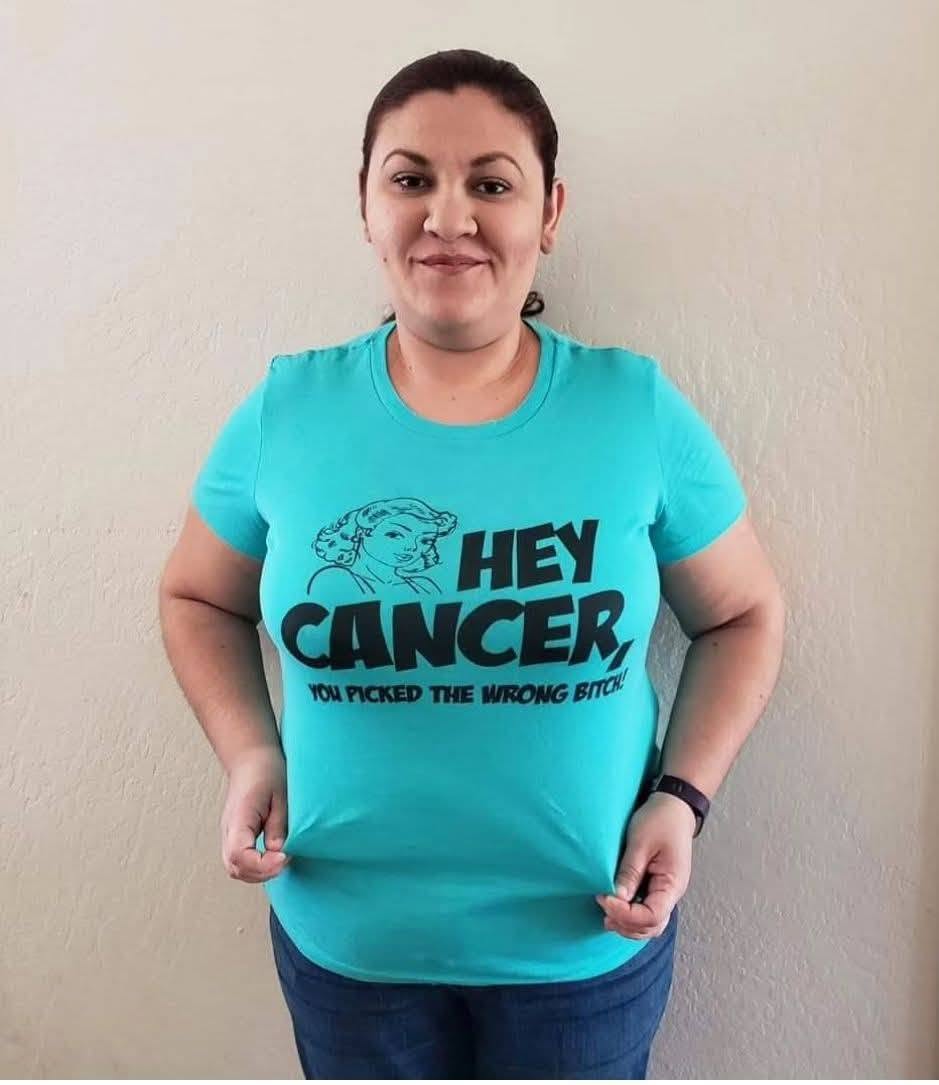
When Claudia told her this, the provider suggested that her husband had been cheating on her.
“I went from crying to getting mad … when I get mad, my face talks,” said Claudia.
She was told to return in two weeks to discuss treatment options.
“Those two weeks were the worst week of my life because I’m an over-thinker,” she said.
Leaving the appointment, Claudia was feeling a myriad of emotions.
Upon hopping into the car, Claudia confronted her father, who had driven her to the appointment, with the startling news.
“She told me I had cancer and I’m gonna die like my mom … and it’s [my husband’s] fault.”
Driven by overwhelming sadness and anger, she repeated the same words to her husband, and he was taken aback by the accusation that he had cheated on her.
What Claudia didn’t understand is that the virus could remain dormant for years, but how was she supposed to know this when HPV wasn’t talked about in the Latino community.
Because HPV is so strongly associated with sexual interactions, discussions about HPV, including how to prevent it, are considered taboo within the Latino community, according to Claudia.
“In our community … we don’t talk about it. If you have it. You don’t talk. You don’t say nothing again. You don’t talk like that. You don’t bring this conversation up again,” said Claudia.
While Claudia remained distraught over the claim that her husband had cheated, there was no evidence to support an infidelity, and the couple made the decision to not entertain the assumption any further.
Claudia Perez-Favela: Empowerment Through Education
Claudia turned to Cervivor, a nonprofit organization and support group for women with cervical cancer, for answers, and they educated her on HPV and her cancer diagnosis.
The encounter calmed her and empowered her to take control over her diagnosis and future diagnoses.
Understanding that her mother died shortly after being diagnosed with ovarian cancer and that it was difficult to catch and by the time it was diagnosed it was already too late, Claudia took matters into her own hands.
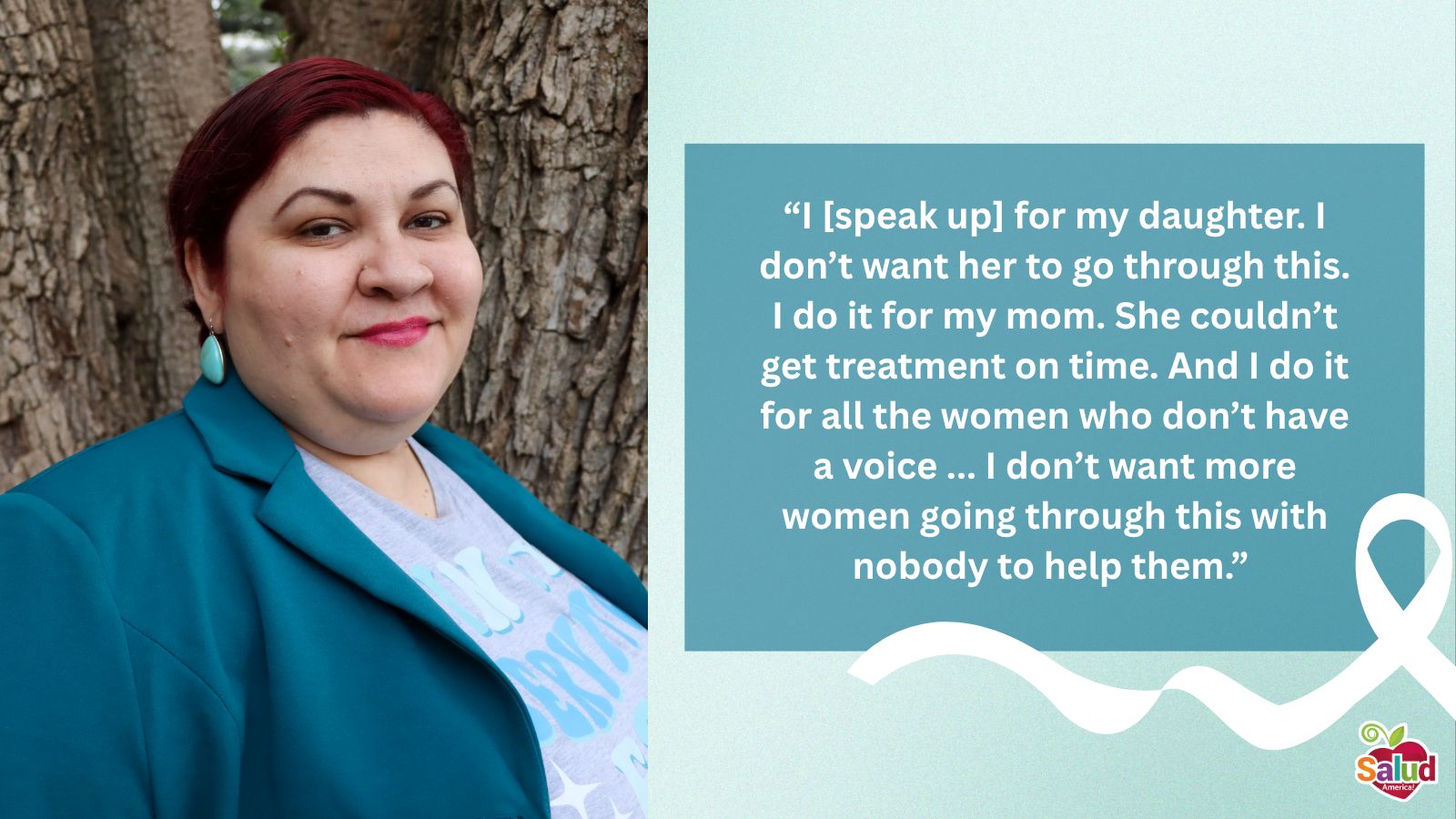
She requested that while undergoing surgery for cervical cancer that they also remove her ovaries to prevent ovarian cancer.
But the doctor claimed she was too young.
After watching several family members battle and die from cancer, and years of suffering with PCOS, Claudia stood her ground.
“I say, ‘In all my family, cancer is like the flu. I don’t want to come back next year and you tell me I have ovarian cancer.’ He said, ‘Ok, but it’s going to put you into menopause.’ I don’t care. I prefer to deal with menopause than every time thinking I’m gonna have ovarian next time. I’m going to have ovarian next time,” she said.
As a mother of three, Claudia had too much to lose from cancer and refused to put her children through another diagnosis.
The doctor agreed to the surgery and Claudia underwent radical hysterectomy and bilateral pelvic lymphadenectomy just two days shy of the fifth anniversary of her mother’s death.
After having her cervix removed, they sent it out for evaluation.
No evidence of cancer was found, and no additional treatment was needed.
Later on, Claudia would undergo genetic testing only to find that she carried a mutation that increased her risk for cancer.
This has since reinforced her decision to have her ovaries removed as well.
Claudia Perez-Favela: Survivor Turned Advocate
However, the outcome almost seemed too easy compared to other cases of cancer; the experience left Claudia confused.
“I was so glad, but at the same time I was confused,” Claudia said. “Was I a cancer patient or not?”
No one had explained what “no evidence of disease” meant or understood what had happened to her or what would happen next.
After her radical hysterectomy, Claudia continued to grapple with her identity as a survivor and the immense guilt she felt by surviving the disease.
“Reading all the [survivor] stories, I feel like the survivor’s guilt, the imposter syndrome. Like no, they’re going for things harder than me, I feel like I’m not a cancer patient,” said Claudia.
It took Claudia 5 years to process and come to terms with what happened to her.
Claudia credits moving into advocacy and sharing her story for her acceptance.
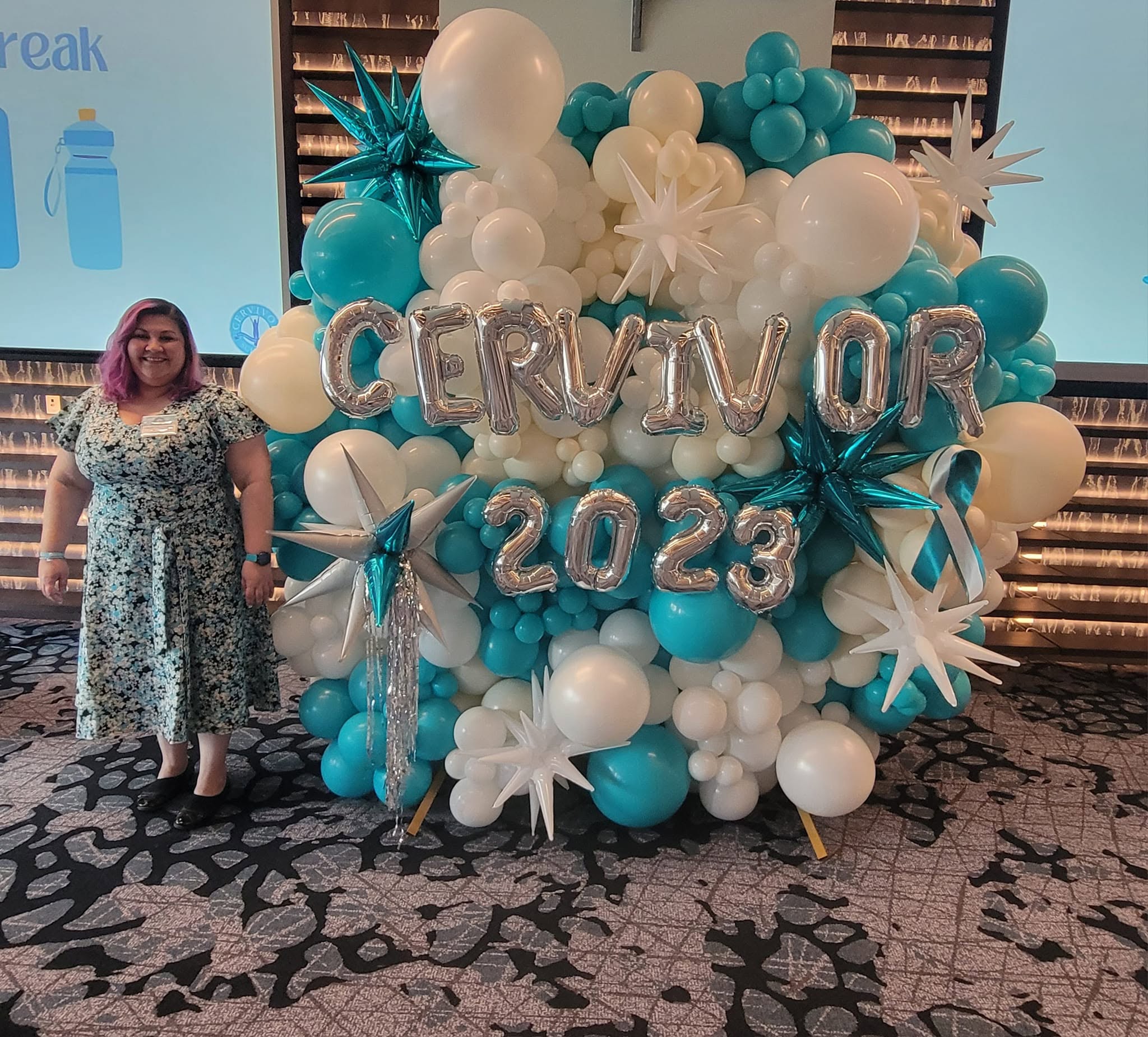
In 2023, Claudia was invited to attend Cervivor School, which is a retreat and advocacy training for cervical cancer survivors, held in Seattle that year.
“They helped me to understand my story matters, because they say, you always minimize your story. You say, ‘No, you don’t have a story because you say you didn’t have chemo or radiation,’ but no, you are one of us,” Claudia explained.
That was the start of Claudia’s cancer advocacy journey.
Over the last few years Claudia has been sharing her story with everyone to help fight the stigma surrounding reproductive cancers and HPV.
“The reason these types of cancers are rising is because people don’t talk. Women don’t want to talk about it. They feel too much shame. While for me, what I hated the most is when I saw health providers promoting the stigma,” said Claudia.
Too often, Claudia comes across social media posts that associate HPV with promiscuity and is quick to point out how harmful that stereotype is.
Speaking out against these stigmas is helping women understand their risk for the virus and the importance of getting vaccinated and having routine exams.
“I feel good when people say, ‘I read your story and I did this, or ‘I will get checked,’ or ‘I have that but I don’t have the courage like you to bring it up,’” Claudia said.
Claudia currently serves with Cervivor as an ambassador, mentor, and advocate.
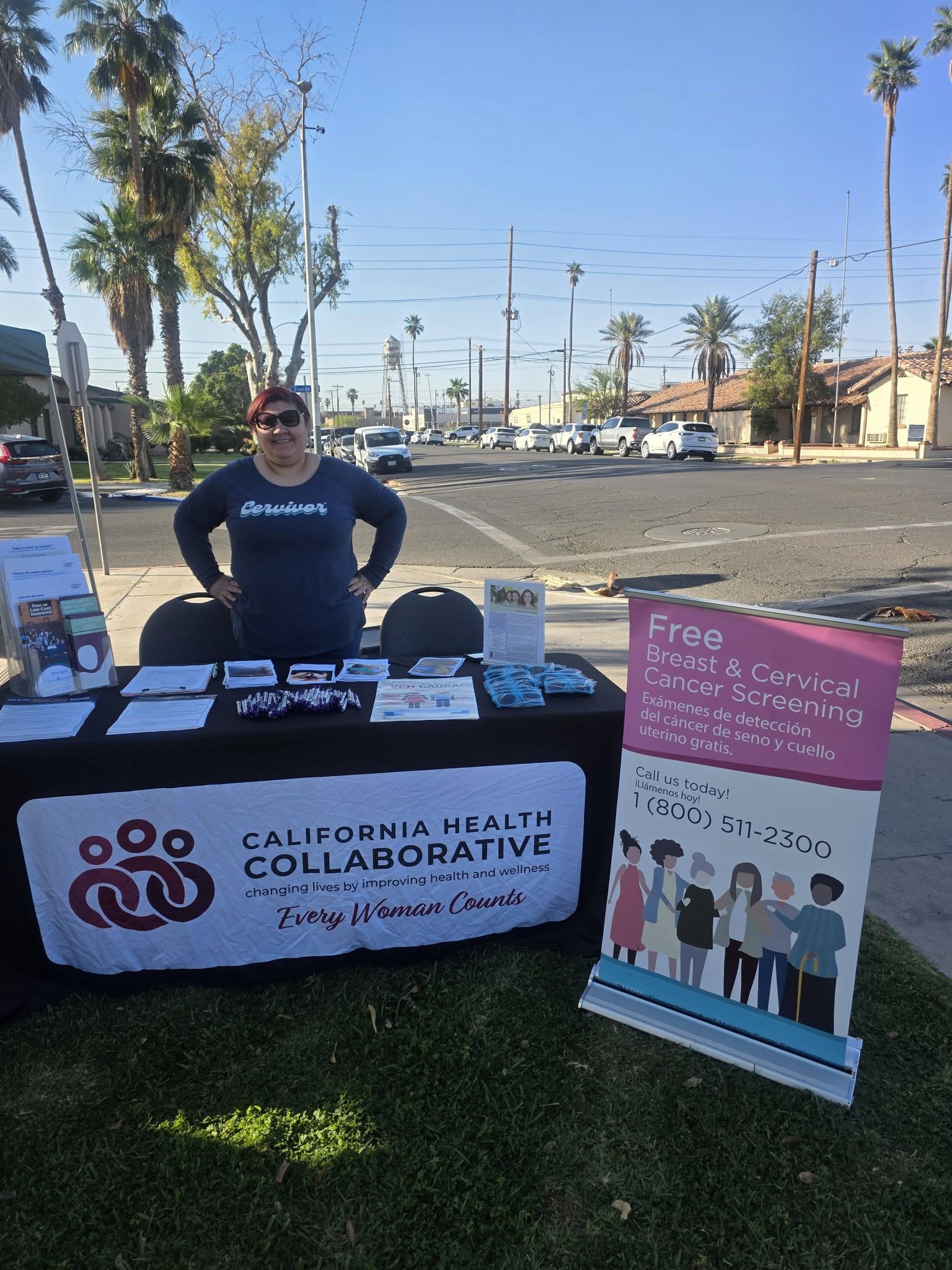
She’s also spoken at several cancer events, works community outreach and education for the Every Woman Counts Program, which promotes cervical cancer screening in vulnerable communities, and shared her story and acted as an advocate for the American Cancer Society Cancer Action Network.
More recently, Claudia joined 15 other Latino cancer survivors for the 2026 Latino Cancer Patient Advocate Training Program, which convened in-person ahead of the biennial Advancing Cancer Research for Latinos and All Populations Conference held in San Antonio, Texas.
Together, they learned from experts how to amplify their voices by sharing their stories and speaking up for their communities to drive change in research and beyond.
Her experience also reinforced the power that her story has and how her experience can define someone’s future.
“I [speak up] for my daughter. I don’t want her to go through this. I do it for my mom. She couldn’t get treatment on time. And I do it for all the women who don’t have a voice … I don’t want more women going through this with nobody to help them.”
Explore More:
CancerBy The Numbers
142
Percent
Expected rise in Latino cancer cases in coming years
This success story was produced by Salud America! with support from the Robert Wood Johnson Foundation.
The stories are intended for educational and informative purposes. References to specific policymakers, individuals, schools, policies, or companies have been included solely to advance these purposes and do not constitute an endorsement, sponsorship, or recommendation. Stories are based on and told by real community members and are the opinions and views of the individuals whose stories are told. Organization and activities described were not supported by Salud America! or the Robert Wood Johnson Foundation and do not necessarily represent the views of Salud America! or the Robert Wood Johnson Foundation.