by
by 
Share On Social!
Breast cancer is the second-leading cause of cancer-related death in U.S. women and the leading cause of cancer-related death in Latina women.
Despite advancements in preventative care and early detection, Latinas and all women continue to be diagnosed at later stages when treatment is more taxing and outcomes aren’t as optimistic.
This situation is a result of issues with non-medical drivers of health, such as low access to health insurance, preventive screenings, transportation, healthy food, and more.
More resources, better education, and research can help make a difference!
It’s National Breast Cancer Awareness Month, and whether you’re a survivor, currently in treatment, health professional, caregiver, family member, or at risk for breast cancer, here are nine resources you can benefit from.
1. Find Breast Cancer Patient Navigation Support
Susan G. Komen’s Patient Care Center helps patients, families, and caregivers by providing support and services.
Their educational resources cover risk factors, prevention and screening, treatment, diagnosis, survivorship, and more.
The program also helps ease the financial burden of breast cancer.
Emotional support, navigating a diagnosis, and clinical trial assistance are also available through this program.
To be connected to a patient navigator, call Komen’s national helpline at 1-877-465-6636 or email helpline@komen.org.
You can also support those going through treatment and survivors by becoming a patient navigator through Komen’s Patient Navigation Training Program.
2. Find Breast Cancer Screenings

Insurance continues to be one of the biggest hurdles for women trying to stay on top of breast cancer screenings.
Missed screenings can results in advanced-stage diagnoses and a higher risk of death, especially in overlooked communities like Latina women.
To combat this, the Centers for Disease Control and Prevention (CDC) rolled out the National Breast and Cervical Cancer Early Detection Program.
This program seeks to increase access to free and low-cost breast and cervical cancer screenings for low-income women.
Screenings are available across the nation and are designated for women without insurance, are at the age where mammograms are recommended, and are at or below the federal poverty level.
Find free and low-cost breast cancer screenings near you.
3. Find Local Breast Cancer Support
Apart from the national organizations, local organizations are using community-driven resources to help those going through treatment.
For instance, Pink Ribbon Good is helping women battle cancer in major metropolitan areas in the Northeast and in San Fransico by providing meals, rides to treatment, and more.
In Miami, which is home to a large Latino population, women going through treatment can access transportation, childcare, and grocery support through the nonprofit 305 Pink Pack.
In San Antonio, Thrive Well Cancer Foundation is supporting cancer patients, including breast cancer, and their families with transportation and financial support, wellness programs, and more.
Women with breast cancer living in Central and South Texas can get support through the Texas WINGS organization.
Find your breast cancer organizations to get help where you are.
4. Find Breast Cancer Support Groups
Breast cancer and any cancer diagnosis can be a very isolated experience.
Surrounding yourself with people who understand what you are going through can help with the mental and emotional load of cancer.
CancerCare offers 15-week online support groups, post-treatment support groups, and support for those with metastatic breast cancer.
BreastCancer.org offers free virtual support groups hosted through Zoom.
The organization Living Beyond Breast Cancer aims to connect the breast cancer community through the Flourish mobile app.
There, you can ask questions, share experiences, and find connections through experience.
5. Find Breast Cancer Educational Resources
A lot that goes into navigating breast cancer treatment and recovery, including long-term effects of treatment and the lifestyle changes required to keep cancer from returning.
The National Breast Cancer Foundation has developed several resources dedicated to helping patients manage their stress and mental health, make healthy meals, and help those going through a cancer diagnosis understand their treatment options.
In addition, Susan G. Komen has shared resources for decades.
From a guide on how to approach your doctor about breast health to educational webinars and videos, Komen offers many resources to help you through your breast cancer journey.
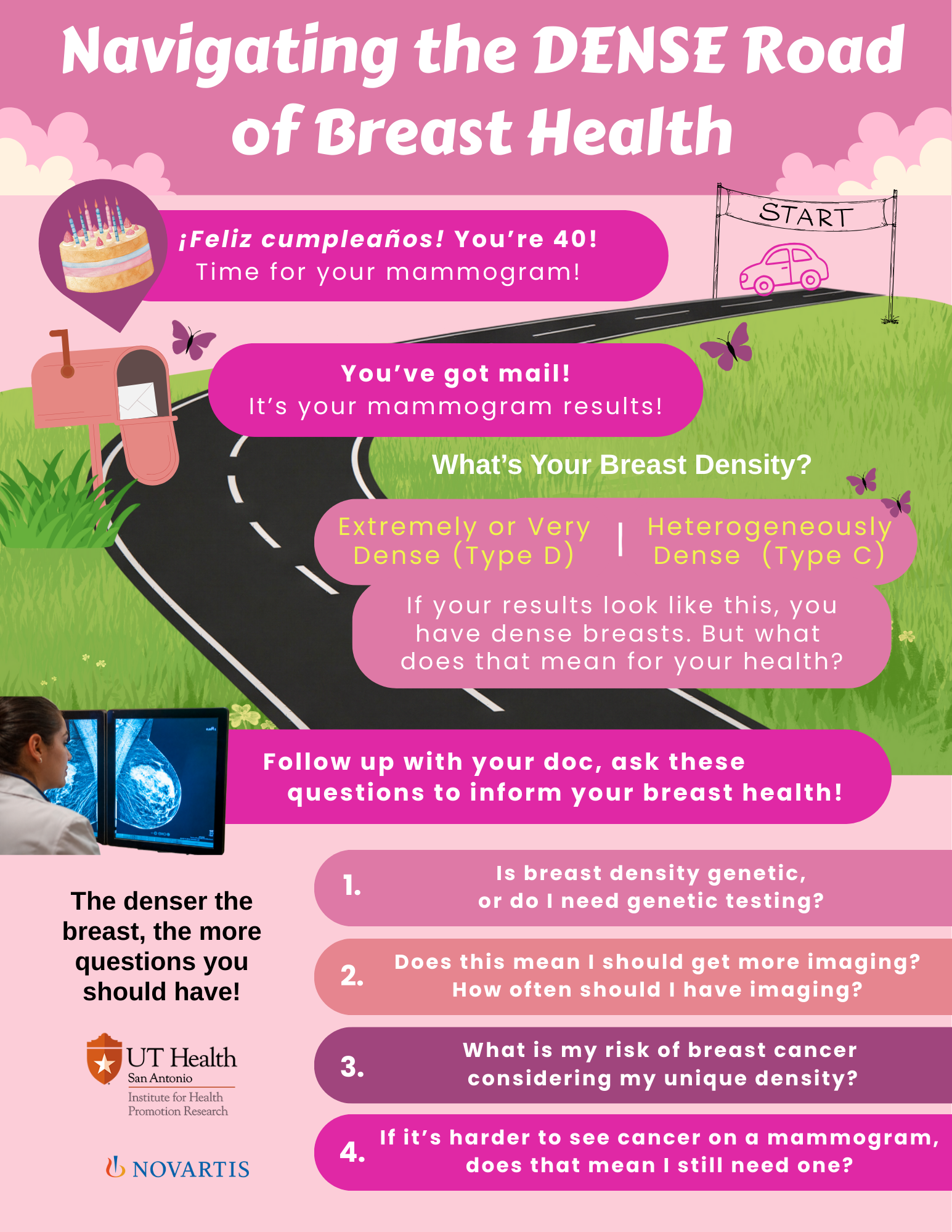
To help women understand their breast health and risk for cancer, Salud America! partnered with Novartis to create “The Breast Density Road Map.”
This resource is dedicated to helping women navigate their mammogram results and how to talk to their doctor about their breast health pending a dense breast diagnosis.
6. Find a Breast Cancer Oncologist
Navigating a cancer diagnosis can be challenging, especially when you are just getting started on your journey to recovery.
One of the key ways to set yourself up for success is choosing a care team that’s going to focus on your individual needs and take your background and beliefs into consideration.
That all begins with finding the best oncologist.
If you are in South Texas, use the Mays Cancer Center’s “Find a cancer care provider” tool to locate an oncologist that fits your needs and cancer type.
Nationally, the American Society of Clinical Oncology’s website offers an oncologist database where you can search for oncologists based on specialty, board certification, and location.
The American Cancer Society’s website breaks down the types of oncologists, considerations that should be made when selecting a provider, a resource to find providers that take Medicare, and much more.
7. Find Breast Cancer Clinical Trials
Cancer, including breast cancer, can hurt those we love.
Clinical trials help us fight for our familia.
Clinical trials are studies that help researchers learn more to help slow, manage, and treat cancer and other diseases for current and future family members. But without volunteers for clinical trials, the benefits may missthis group.
Visit our clinical trials page to find a clinical trial, read about hero volunteers, and more!
“Volunteers in clinical trials are not only helping themselves, but they’re also building a future with potentially better treatments that can help their families in the future,” said Dr. Amelie Ramirez, director of Salud America! and the Institute for Health Promotion Research at UT Health San Antonio.
Those looking for opportunities based in San Antonio can search the Mays Cancer Center at UT Health San Antonio’s Find a Clinical Trial database to learn more about available clinical trials and eligibility requirements.
On a national level, visit clinicaltrials.gov to find a clinical trial near you.
LEARN MORE ABOUT CLINICAL TRIALS!
8. Read Breast Cancer Survivorship Stories
Breast cancer survivors, including those who got screened or volunteered for a clinical trial volunteers, are helping others make good choices about their breast health.
Their stories of resilience and strength can also help women going through a breast cancer diagnosis feel less alone.
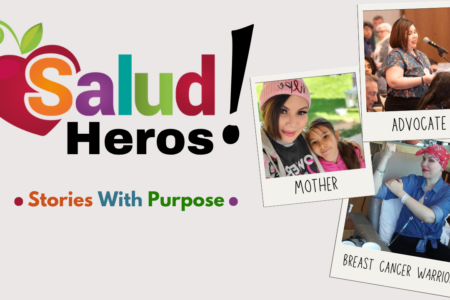
For instance, Linda Mota, is sharing her story to empower women to listen to their bodies and get checked.
Brittney Millard took a proactive approach to her cancer diagnosis after learning about a mutation that increased her risk of breast cancer.
Read more stories from breast cancer survivors.
9. Share Your Breast Cancer Story!
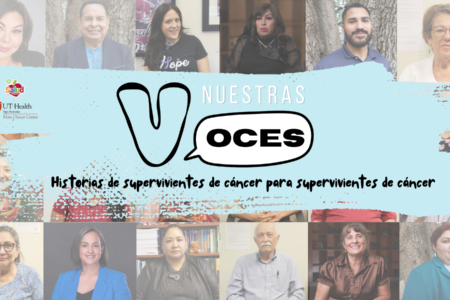
The stories of cancer survivors are more powerful and important than you might realize.
Someone’s experience could very well hold the key to ending differences in cancer care and help make a difference for future survivors.

That’s exactly what the Avanzando Caminos Hispanic/Latino Cancer Survivorship Cohort study is attemptingto do by capturing the stories of survivors in South Texas.
The study team at UT Health San Antonio is is now enrolling participants who have completed their primary cancer treatments for prostate, colorectal, lung, stomach, liver, endometrial, breast, cervical, kidney, bladder, melanoma, ovarian, thyroid, and lymphoma cancers.
Through the study experience, program manager Dr. Derek Rodriguez hopes it gives cancer survivors an opportunity to process what they’ve been through.
“We want to be able to promote healing because for the first time in a long time, this may be someone’s first opportunity to give their cancer story,” Dr. Rodriguez told Salud America! “We want to be able to empower others to share their story as well. And we want to be able to better understand, detect, treat, and prevent cancer in the long run for other future survivors.”
To volunteer for Avanzando Caminos or ask questions, contact Dr. Ramirez’s team at the Institute for Health Promotion Research at UT Health San Antonio at 210-562-6514 or caminos@uthscsa.edu.
Alternatively, visit the Avanzando Caminos website in English or Spanish to fill out a quick eligibility survey and a member of the study team will be in touch!
SHARE YOUR STORY WITH AVANZANO CAMINOS!
Explore More:
CancerBy The Numbers
142
Percent
Expected rise in Latino cancer cases in coming years