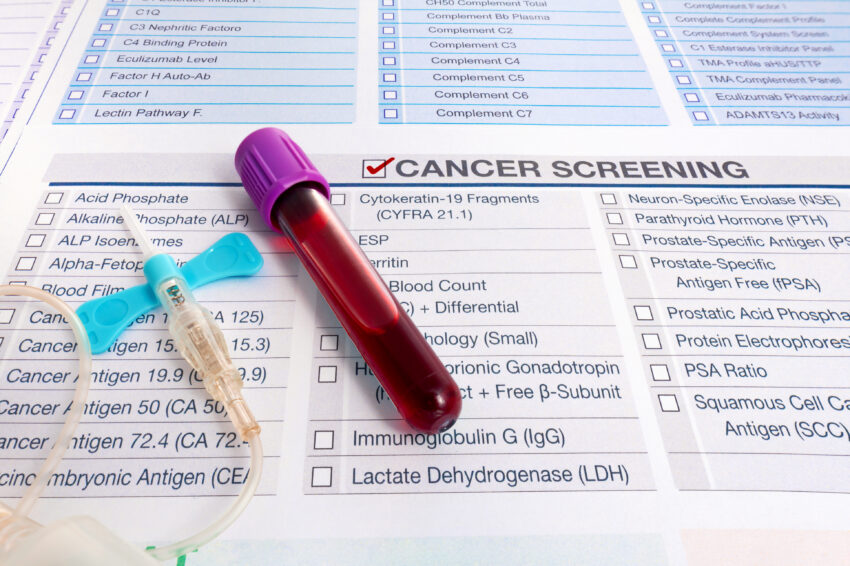
For the last several years, instances of colorectal cancer have been on the rise in the US, especially in younger populations. As cases rise, so too does the number of deaths caused by colorectal cancer. American Cancer Society (ACS) researchers recently found that colorectal cancer moralities have risen by at least 1.1% in people younger than 50 every year since 2005. What’s more, a sharp decrease in other cancer mortalities has placed colorectal cancer as the leading cause of cancer-related deaths among people young than 50 in the US, according to an ACS study in the Journal of the American Medical Association (JAMA). Let’s go over the study findings and learn why colorectal cancer moralities have increased.
Study Findings on Colorectal Cancer
For the ...
When it comes to making an impact in research, communication is key! But not everyone has the right tools to effectively communicate research into solutions that can drive health outcomes for adults living with Alzheimer’s and related dementias. The University of Maryland School of Graduate Studies wants to close the knowledge gaps in research communication by offering a program to doctoral students and postdoctoral scholars with backgrounds in aging and aging-related research. The Entrepreneurship and Science Communication for Aging and Aging-Related Research (ESCAAR) program aims to improve aging-focused research communication with a cohort of trainees for a 10-month program. Let’s discuss how the ESCAAR program, supported by the National Institute on Aging ...
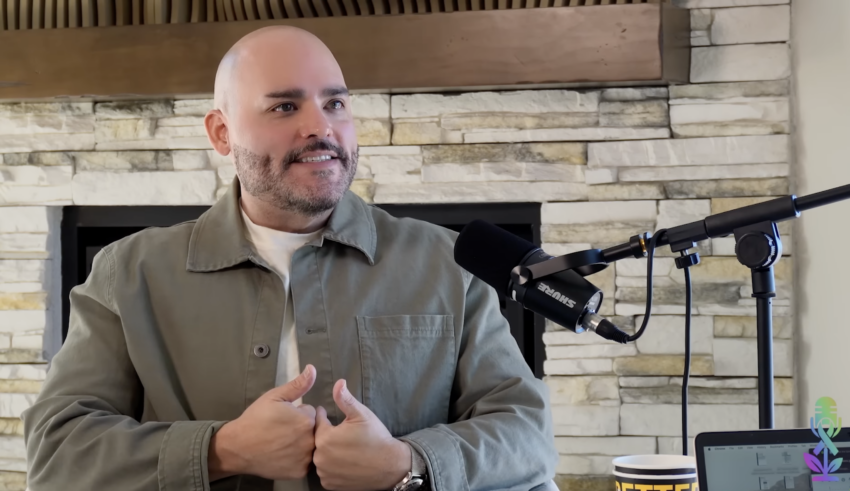
Cancer can have a big cost. That cost is physical and emotional – but also financial. From lack of insurance to access to affordable care, the financial strain of cancer can keep patients from getting the care they need, resulting in worse health outcomes and higher risk of death. Dr. Mateo Banegas appeared on an episode of the What I Wish I Knew: A Cancer Podcast on Jan. 27, 2026, to discuss the financial challenges of getting fair cancer treatment. Banegas is an associate professor and co-director of CHEER in the Department of Radiation Medicine and Applied Sciences (RMAS) at the UCSD School of Medicine. Let’s take a look at the topics he covered and how they can help you or someone you know who is dealing with cancer.
The Hidden Cost of Cancer
In ...
Turning 40 is a big milestone for many women in their career, lifestyle, and familia.
It’s also a big year for health – like scheduling your first mammogram.
An annual mammogram, starting at age 40, is important because it can tell you a lot about your breast health, including if you have dense breasts.
Women with dense breasts, including Latinas, have a higher risk for breast cancer and may require more screenings.
What do you need to know about breast density?
Check out our new guide, The Breast Density Road Map, to help you navigate breast density and what it means for your breast health.
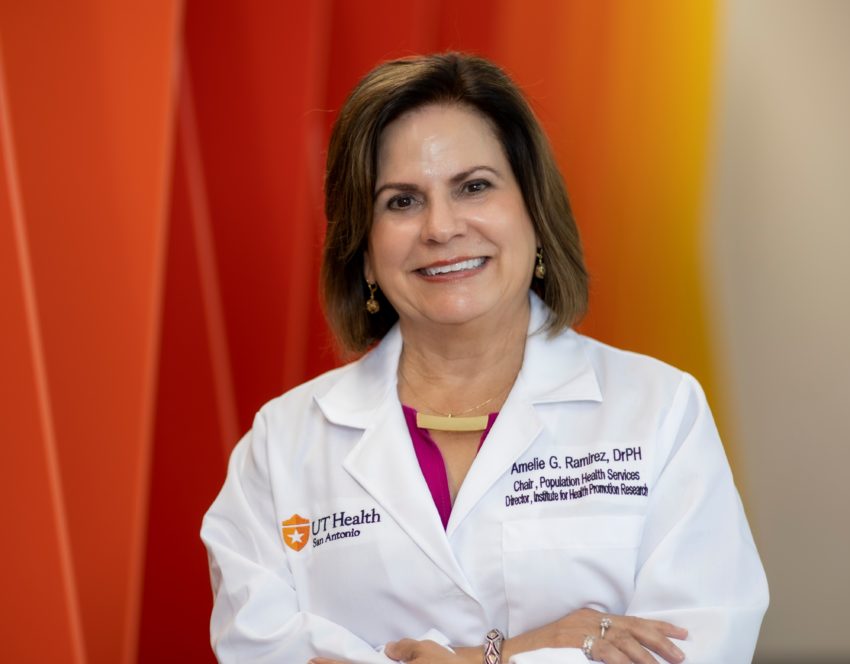
The guide was created by Dr. Amelie G. Ramirez of UT Health San Antonio with expertise from Dr. Jessica Treviño Jones, a breast medical oncologist at Mays Cancer Center at UT Health San ...
A little over 40% of US adults are impacted by obesity, including many Latinos, putting them at higher risk for diabetes, heart issues, and cancer. But when people with obesity try to get help, negative stigma can curb progress. Often, they hear advice from healthcare providers like; “Eat healthier” or “Work out.” While these are key parts of a healthy life, other factors and underlying conditions are involved. When a healthcare provider is quick to dismiss a patient with this advice, it can make the patient feel like they are to blame and may even make matters worse. That’s why the Endocrine Society is launching interactive listening sessions to enable patients and people who have experience with obesity to help shape best practices and clinical ...
From recruiting study participants to seeking approval from a university’s Institutional Review Board (IRB), there are so many facets of clinical research. When considering how to navigate it, look no further than the University of Texas at Austin’s Dell Medical School's Nuts and Bolts of Executing a Clinical or Population Research Study virtual series. This series aims to help researchers achieve research success by giving them the tools they need to make a positive impact in healthcare.
About the ‘Nuts and Bolts’ Program
The series consists of one-hour discussion forums spanning several topics aligned with running a clinical or population research study. Previous topics include recruitment and retention, navigating IRBs, HIPAA ...
Dr. Amelie G. Ramirez, leader of Salud America! and cancer health researcher at the Mays Cancer Center at UT Health San Antonio, has been selected for the Lifetime Achievement Award from the National Hispanic Council on Aging (NHCOA). The award honors individuals who have "demonstrated a significant and lasting impact on improving the lives of older adults, particularly Hispanic older adults," by promoting health and building healthy communities. Ramirez received the award at the 2025 NHCOA Awards Ceremony on Dec. 18, 2025, in Washington, D.C. Watch the livestream of the award ceremony. "I am truly humbled to be selected," Ramirez said. "NHCOA’s work is deeply meaningful, and to be recognized by an organization so dedicated to advancing the well-being and dignity of our ...
The Salud America! program, led by Dr. Amelie G. Ramirez of UT Health San Antonio, has received the National Health Award from the National Association of Medical Spanish (NAMS) and the Medical Organization for Latino Advancement (MOLA). The award was given during the MOLA-NAMS Annual Conference in November 2025 in San Antonio. "I am truly humbled and honored to accept this recognition on behalf of our Salud America! program, and the countless storytellers, community leaders, and cancer survivors who walk with us on this journey toward better health for all people," Ramirez said. Ramirez launched Salud America! in 2007 to create data-driven news report, role model stories, and action opportunities for better health for all. "Thanks to our passionate team and network, we’ve ...
Liver cancer, one of the fastest growing causes of cancer-related deaths in the US, affects many people in the South Texas area with its large Latino population. That is why researchers are working hard to improve early detection of liver cancer. Exact Sciences, the company responsible for Cologuard, a popular brand of colorectal at-home testing kits, announced new findings on its new blood test that aims to detect early hepatocellular carcinoma (HCC), which is a common form of liver cancer, according to a company news release. Let’s explore the new findings can benefit the health of Latinos and all people.
Early Liver Cancer Detection
Exact Sciences’ liver cancer blood test, Oncoguard, has been in clinical testing. The new test results show that the product ...