by
by 
Share On Social!
For the last several years, instances of colorectal cancer have been on the rise in the US, especially in younger populations.
As cases rise, so too does the number of deaths caused by colorectal cancer.
American Cancer Society (ACS) researchers recently found that colorectal cancer moralities have risen by at least 1.1% in people younger than 50 every year since 2005.
What’s more, a sharp decrease in other cancer mortalities has placed colorectal cancer as the leading cause of cancer-related deaths among people young than 50 in the US, according to an ACS study in the Journal of the American Medical Association (JAMA).
Let’s go over the study findings and learn why colorectal cancer moralities have increased.
Study Findings on Colorectal Cancer
For the study, researchers examined data from the top 5 causes of cancer-related deaths that occurred in men and women ages 0-49 over the last three decades.
Overall, over 1.2 million people died from cancer before age 50 over the study period, according to study results.
Researchers also found cancer deaths in people younger than 50 decreased by 44%, from 25.5 per 100,000 people in 1990 to 14.2 in 2023.
The only cancer type that showed a steady increase was colorectal cancer, which increased by 1.1% yearly since 2005.
In the early 1990s, colorectal cancer was the fifth-most common cause of cancer-related death for people younger than 50.
Now, it’s the top cause of cancer-related deaths.
“The steady rise in colorectal deaths under 50 is even more alarming compared to the dramatic declines for lung and breast, even as breast cancer incidence is climbing,” said Rebecca Siegel, MPH, senior scientific director, surveillance research at the American Cancer Society and lead author of the report. “While we await answers for why colorectal cancer rates are up, lives can be saved now through symptom awareness and destigmatization, and more screening uptake, as three in four people under 50 are diagnosed with advanced disease.”
Rise in Colorectal Cancer Deaths
While researchers are still trying to figure out what’s to blame for the rise in colorectal cancer cases and subsequent deaths, a few challenges could be contributing to the increase in younger adults.
Adults with colorectal cancer can present little to no symptoms, especially in early stages.
What’s more, the symptoms that are present are often associated with regular stomach distress and can be dismissed or misdiagnosed by healthcare professionals.
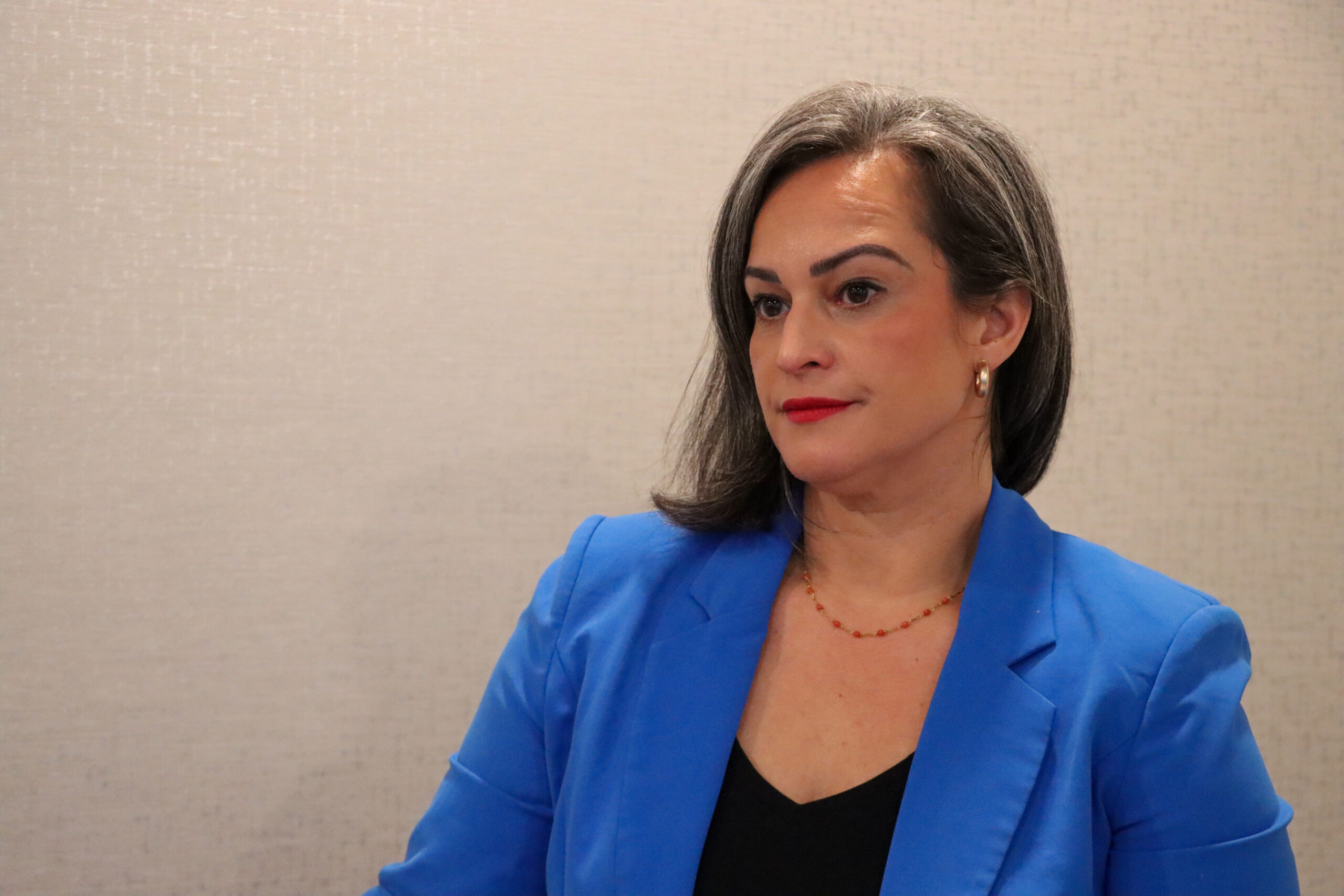
This leads to delayed diagnoses, and late-stage diagnoses when cancer is more difficult and expensive to treat.
To make matters worse, the recommended age for colorectal cancer screening begins at 45, so patients younger than 45 aren’t being screened for the disease.
This is what happened to Marielle Santos McLeod.
The early-onset colorectal cancer survivor experienced a delayed colorectal cancer diagnosis because she didn’t meet any of the criteria for having cancer.
Despite her persistent symptoms at 36 years old, medical professionals thought it impossible for her to have the disease and refused to screen her.
She ended up with a stage III colon cancer diagnosis.
“I was not heard, and I was not listened to. Even with the knowledge that I had, I, too, fell through the cracks, and I was very easily dismissed because I was young,” she told Salud America!
Other Cancer Mortalities Beyond Colorectal Cancer
The other top leading causes of cancer death for people younger than 50 experienced an annual decrease from 2014 to 2023.
Brain cancer deaths decreased by 0.3% followed by breast cancer deaths at 1.4%, leukemia at 2.3%, and lung cancer at 5.7%, according to research findings.
The significant decrease in the number of deaths for these cancer types changed the mortality ranking of lung cancer and leukemia to the first to fourth and third to fifth among the most common cancer-related deaths among people younger than 50.
Despite the decrease, breast cancer remained the second-leading cause of cancer deaths in the US, and the top cause in women after cervical cancer, which is the third-leading cause of cancer death in women.
Help Study Colorectal Cancer
Researchers are hard at work trying to find the reason for the sudden spike in colorectal cancer cases in younger patients. But they need your help to do it.
One of the best ways to aid the effort is to volunteer for a clinical trial.
Clinical trials help researchers find ways to prevent and treat cancer and other diseases. They may also help improve the quality of life for volunteers affected by cancer or reduce the side effects of treatment.
Visit Salud America!’s clinical trial page to find a research opportunity or learn from role models who have participated in a trial.
“Volunteers who participate in clinical trials have the potential to help themselves, and contribute to the development of new treatments for people in the future,” said Dr. Amelie Ramirez, director of Salud America! and the Institute of Health Promote Research at UT Health San Antonio.
Those looking for opportunities based in San Antonio can search the Mays Cancer Center at UT Health San Antonio’s Find a Clinical Trial database to learn more about available clinical trials and eligibility requirements.
On a national level, visit clinicaltrials.gov to find a clinical trial near you.
Colorectal Survivors, Share Your Story with Avanzando Caminos
While clinical trials are aiding researchers in finding ways to treat and prevent colorectal cancer, there are also a growing number of opportunities for colorectal cancer survivors to help researchers find interventions that help long-term healing and stop cancer from coming back.
The Avanzando Caminos Hispanic/Latino Cancer Survivorship Cohort Study is examining the post-cancer life in individuals who have experienced prostate, colorectal, lung, stomach, liver, endometrial, breast, cervical, kidney cancers, bladder, melanoma, ovarian, thyroid, and lymphoma cancers.
Hispanic/Latino survivors who are 18 or older, speak English or Spanish, live in South Texas, and have completed primary cancer treatment for one of the eligible cancer types within the last 10 years are encouraged to apply and share their stories to help make a difference in the lives of future survivors.
The study takes place over a series of visits over a 5-year period. Study visits can be conducted in person or virtually.
Those who participate are also eligible to receive up to $50 per study visit.
To volunteer for Avanzando Caminos or ask questions, contact Dr. Ramirez’s team at the Institute for Health Promotion Research at UT Health San Antonio at 210-562-6514 or caminos@uthscsa.edu.
Alternatively, visit the Avanzando Caminos website in English or Spanish to fill out a quick eligibility survey and a member of the study team will be in touch!
SHARE YOUR STORY WITH AVANZANDO CAMINOS!
Explore More:
Latino CancerBy The Numbers
25
years
of life expectancy between some U.S. cities.