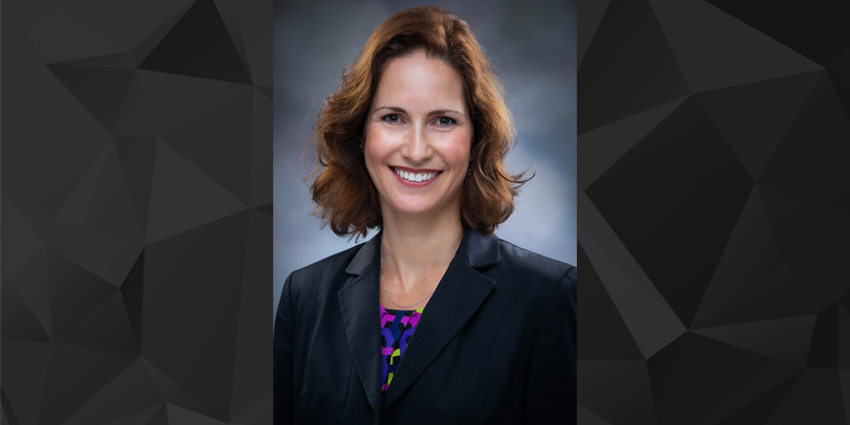
The coronavirus outbreak has caused severe changes to the fabric of our society. Many Americans are now facing shelter in place orders, new work from home routines, and other alterations to everyday life. These shifts, as well as the pandemic itself, are forcing us all to grapple with new problems and begin to ask further questions. One issue that is at the forefront of many healthcare providers' minds is something most might not have considered being an issue before: mental health. Whether someone has or has not experienced complications such as depression and anxiety, Dr. Sarah Knoeckel, a Nurse Practitioner and an Assistant Professor in the School of Nursing at UT Health San Antonio, joins Salud Talks to discuss mental health and how everyone can identify when we are not mentally ...
The coronavirus outbreak (COVID19) has sickened many and continues to spread around the world. The pandemic is affecting health equity in many ways, including homelessness, evictions, and affordable housing options. Let’s use #SaludTues on April 14, 2020, to tweetchat about the Coronavirus is affecting housing crisis! WHAT: #SaludTues Tweetchat: “How Coronavirus Is Affecting the Housing Crisis!”
TIME/DATE: 1-2 p.m. EST Tuesday, April, 14, 2020
WHERE: On Twitter with hashtag #SaludTues
HOST: @SaludAmerica
CO-HOSTS: Public Health Maps (@PublicHealthMap), Communicate for Health Justice (@_CFHJ), and the Center for Care Innovations (@CCIVoice)
OPTIONAL HASHTAGS: #COVID19 We’ll open the floor to research, your experiences, stories, and best practices ...
COVID-19 can affect anyone. But, in reality, it's worsening the health and social inequities facing U.S. Latinos. Now the pandemic is raising fears of racial/ethnic and income disparities in coronavirus exposure, testing, prevention via social distancing, and treatment. "As the number of cases rises, citizens are rightfully concerned about who is getting tested and who will receive treatment," writes health equity adviser Brian Williams in a column for the Dallas Morning News. "For those who exist on the margins of health care justice, access to life-saving treatment is never guaranteed."
Disparities in Coronavirus Exposure
We know Latinos are more likely than their white peers to suffer from poverty, underlying conditions, and a lack of quality housing and transit. They also ...
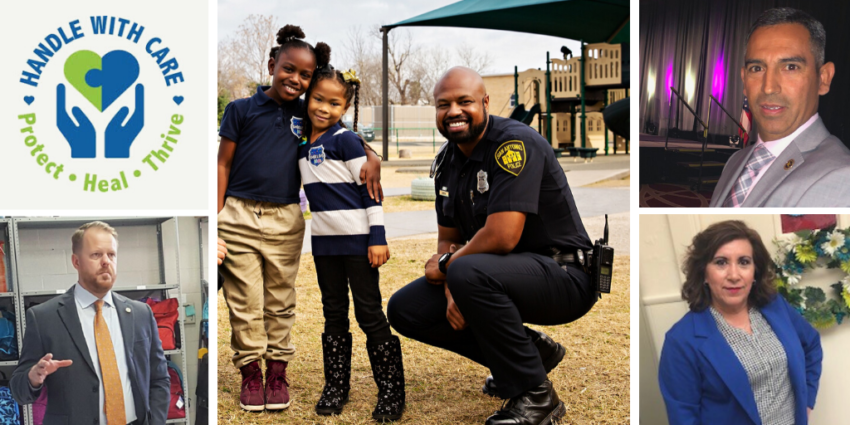
Over the past few years, dozens of U.S. schools launched the Handle With Care program to better support students facing childhood trauma like poverty and domestic violence. For the program, police alert school leaders when they encounter a child at a traumatic scene, so schools are prepared to keep an eye on the student and provide support or services. But now schools are closed due to coronavirus. So how are these schools adapting the Handle With Care program and maintaining meaningful connections with students in the face of school closures? We asked three people who got the Handle With Care program started in San Antonio.
How Did Handle With Care Begin in San Antonio?
Read or watch how Diana Centeno of San Antonio ISD (SAISD), John Hernandez of East Central ISD (ECISD), ...
Experts say people who have underlying health conditions should guard against COVID-19. In fact, CDC now says that U.S. adults with diabetes, chronic lung disease, and heart disease are at higher risk for severe COVID-19-associated disease than people without these conditions. Latinos face a heavier burden for several of these conditions. The American Heart Association even warned elderly people with heart disease or hypertension. "Based on current information, it appears elderly people with coronary heart disease or hypertension are more likely to be infected and to develop more severe symptoms," according to AHA. "Stroke survivors may also face increased risk for complications if they get COVID-19" According to the latest report from State Department of Health, out of the ...
COVID-19 doesn't discriminate. But U.S. Latinos are more likely than all Americans to say the coronavirus pandemic changed their daily lives, and disrupts their mental health, finances, and jobs, according to new Pew Research Center surveys. "Latinos make up significant portions of the hospitality, construction, leisure and agricultural sectors of our labor market, and are the largest uninsured population in America," wrote Kristian Ramos, ex-spokesman for the Congressional Hispanic Caucus, for The Hill. "These workers and uninsured families are unable to telecommute, will not be paid if their jobs are lost, and likely do not have immediate access to health care."
Latino Daily Life During COVID-19
Early on in the outbreak, Pew Research Center reported that a higher percentage of ...
Lack of access to healthy food, insufficient health insurance coverage, living paycheck-to-paycheck — all issues that have impacted U.S. low-income families for decades. Sadly, experts say these problems are worsening as the current novel coronavirus, COVID-19, continues to spread. This leaves the millions of men, women, and children, including the 3 million people who have recently lost their jobs, at risk of more issues than just becoming sick. Latinos—many of whom fall below the poverty line—could face significant hardship without a dedicated response from local, state, and federal leaders. "What we are seeing around the country is that we're operating and telling people to do things from the position of wealth," Rev. William Barber II, co-chair of the Poor People's ...
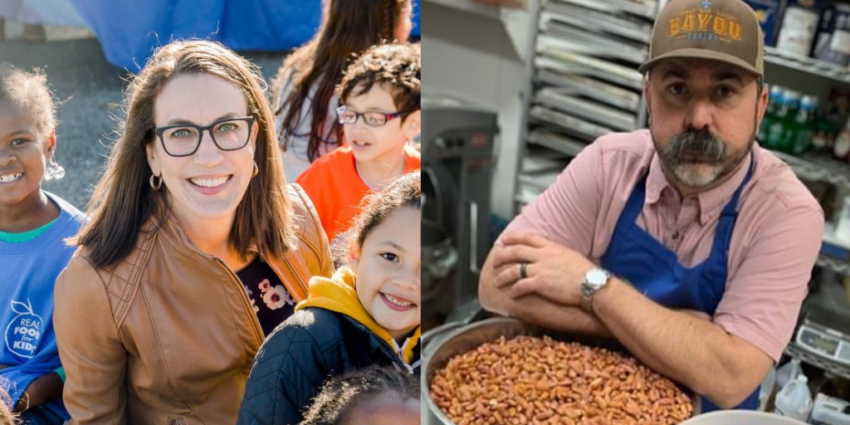
Jenn Yates is an advocate who usually pushes for healthier school food in Arlington, Virginia (15.8% Latino). David Guas is a chef who usually is feeding people. These days, amid the COVID-19 pandemic, Yates and Guas are a dynamic duo that provides free meals to vulnerable families to prevent hunger while schools and restaurants are closed. And, thanks to the advocate and the chef, red beans and rice are feeding thousands. May 5 UPDATE: The Chefs Feeding Families initiative has provided 18,000 meals to families across the DC metro area.
Yates, the Advocate, Understands the Importance of Food Assistance Programs
Yates grew up in a low-income, working family. She said she is grateful for food assistance programs like free meals at schools. “I got school meals as a kid,” ...
According to a recent poll conducted by the Pew Research Center Latinos are more likely (50% vs. 34%) to see the recent COVID-19 outbreak as a threat to their finances. The same poll found that Latinos were also more likely to be concerned about the threat of the novel coronavirus (COVID-19) to the U.S. population's health. Given that Latinos are more likely to work in service industries and earn less than $15/hr these findings are not surprising. Latinos are also less likely to have access to insurance and paid sick leave or family leave. Although the effects of COVID-19 are felt across the nation as a whole, Latinos are especially vulnerable under the current circumstances. Many will face the threat of food insecurity, amid other inequities. How does wealth inequality ...