Lack of access to healthy food, insufficient health insurance coverage, living paycheck-to-paycheck — all issues that have impacted U.S. low-income families for decades. Sadly, experts say these problems are worsening as the current novel coronavirus, COVID-19, continues to spread. This leaves the millions of men, women, and children, including the 3 million people who have recently lost their jobs, at risk of more issues than just becoming sick. Latinos—many of whom fall below the poverty line—could face significant hardship without a dedicated response from local, state, and federal leaders. "What we are seeing around the country is that we're operating and telling people to do things from the position of wealth," Rev. William Barber II, co-chair of the Poor People's ...
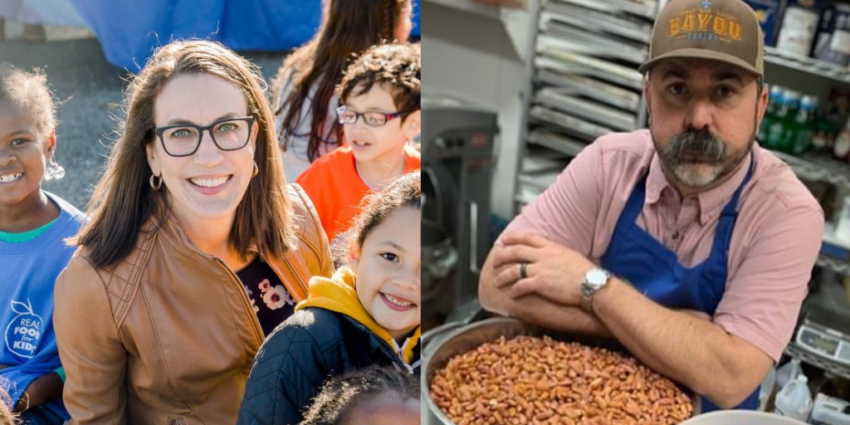
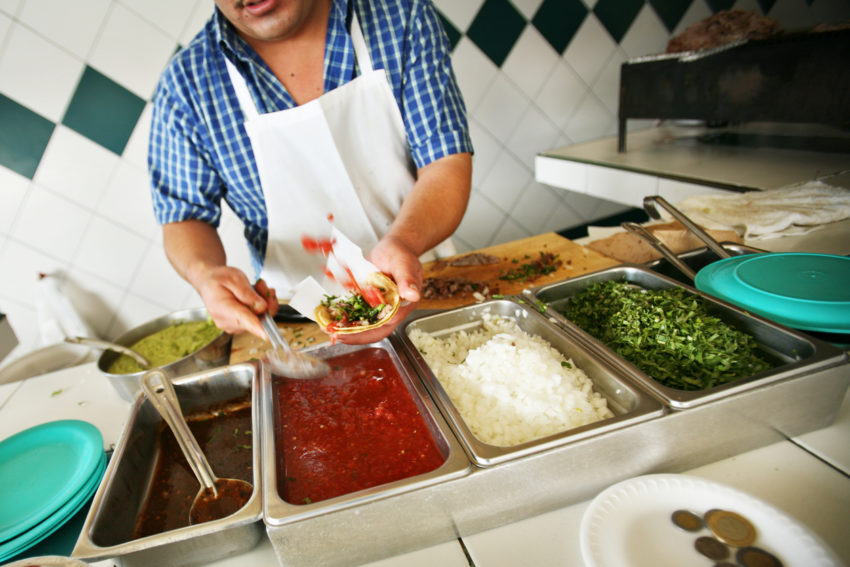
Jenn Yates is an advocate who usually pushes for healthier school food in Arlington, Virginia (15.8% Latino). David Guas is a chef who usually is feeding people. These days, amid the COVID-19 pandemic, Yates and Guas are a dynamic duo that provides free meals to vulnerable families to prevent hunger while schools and restaurants are closed. And, thanks to the advocate and the chef, red beans and rice are feeding thousands. May 5 UPDATE: The Chefs Feeding Families initiative has provided 18,000 meals to families across the DC metro area.
Yates, the Advocate, Understands the Importance of Food Assistance Programs
Yates grew up in a low-income, working family. She said she is grateful for food assistance programs like free meals at schools. “I got school meals as a kid,” ...
According to a recent poll conducted by the Pew Research Center Latinos are more likely (50% vs. 34%) to see the recent COVID-19 outbreak as a threat to their finances. The same poll found that Latinos were also more likely to be concerned about the threat of the novel coronavirus (COVID-19) to the U.S. population's health. Given that Latinos are more likely to work in service industries and earn less than $15/hr these findings are not surprising. Latinos are also less likely to have access to insurance and paid sick leave or family leave. Although the effects of COVID-19 are felt across the nation as a whole, Latinos are especially vulnerable under the current circumstances. Many will face the threat of food insecurity, amid other inequities. How does wealth inequality ...
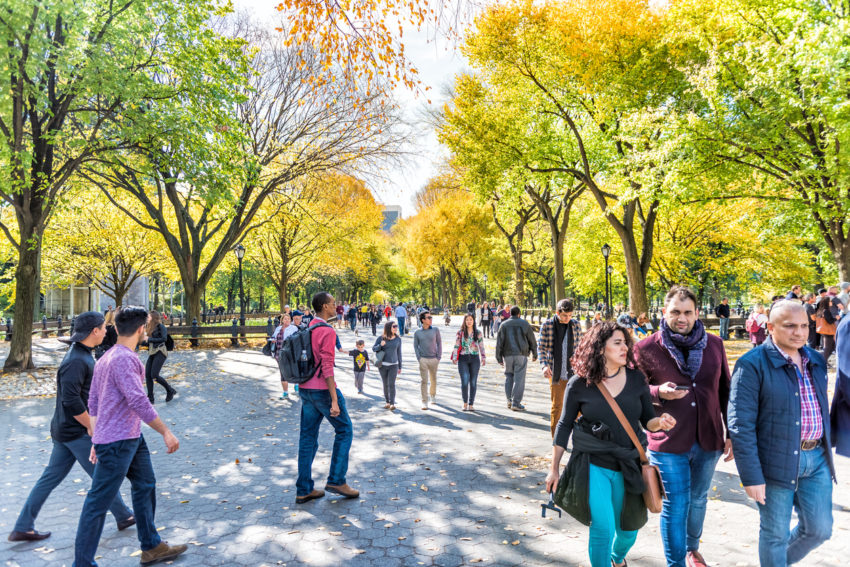
With schools and retail stores closed to prevent the spread of COVID-19, more people are going outside to walk and bike in communities across the country. Philadelphia and New York are closing some streets to cars and open them to people walking and biking. This gives people room to practice six-foot social distancing rules as they pick up groceries, get physical activity, and grab some fresh air amid the coronavirus lockdown. But some cities and states are closing parks amid virus fears. This worsens existing inequities in access to green and open spaces for Latinos and other disadvantaged communities. Equitable access to green and open spaces is more important than ever.
Outdoor Recreation is Surging during Coronavirus
Social media is abuzz about the spike in people outside ...
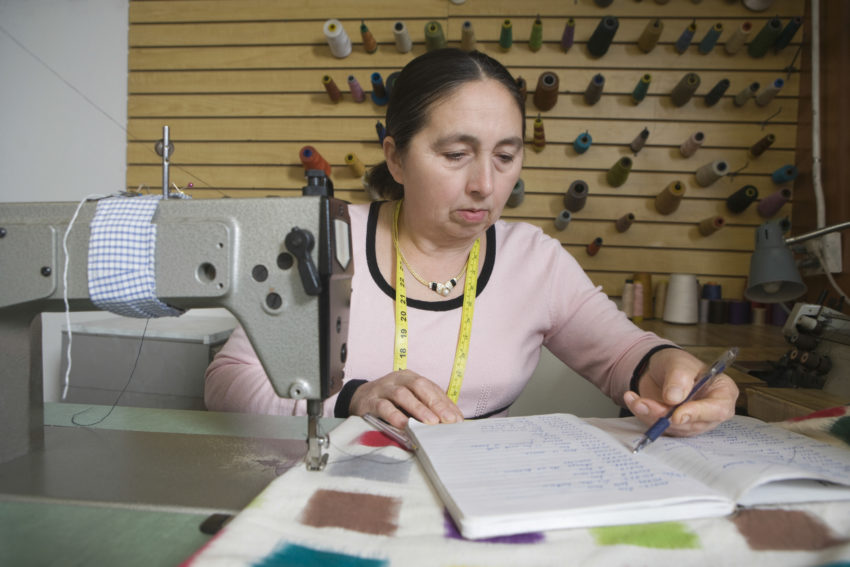
Coronavirus can affect anyone. But experts warn that COVID-19 will cause more suffering among U.S. Black and Latino workers, due to societal inequities shaped by structural racism and low-paying jobs with no chance of telework. "When the COVID-19 pandemic has ended in this country, we will see an unequal distribution of infections and deaths along the intersecting lines of race and class," wrote labor historian Christopher Hayes in the New Jersey Star-Ledger. UPDATE 4/23/20: 26 million people have filed jobless claims in the past five weeks, NBC News reports. Why is this?
Coronavirus Compounded: Income Inequities among Latino Workers
These statistics show a glimpse of how much Latino workers earn: 1 in 3 Latinos live in poverty.
1 in 2 Latino families are ...
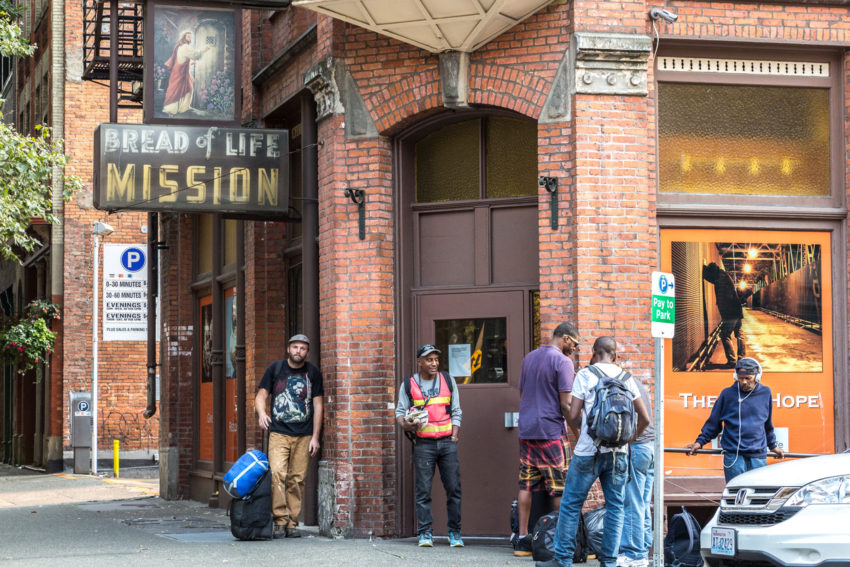
The COVID-19 pandemic is affecting health equity in many ways, including homelessness, evictions, and affordable housing options. Low-income workers, the uninsured, those with unstable housing, and immigrant communities will bear the brunt of this crisis. Many U.S. cities were dealing with a homelessness crisis long before this outbreak. Now, the escalating pandemic has created a catastrophe threatening thousands of lives.
Affordable Housing Crisis during COVID-19
Millions of Americans face housing cost burdens. Over half a million sleep on the streets any given night, according to a recent report. Worse, countless people and families pay more than they can afford to keep a roof over their heads every month. The coronavirus outbreak is a public health emergency that will ...
As the current novel coronavirus continues to spread, one fact has become clear: Governments around the globe were not prepared — especially concerning environmental impacts. While there is no direct link between pollution and the risk of developing COVID-19, yet, studies have shown that poor air quality can raise one's susceptibility to disease. Worse, high rates of toxic exposure can lead to poorer outcomes of those illnesses. Disadvantaged groups, including Latinos, are in greater jeopardy as they are the ones who live in the areas with more significant amounts of air pollution. "There's lots of evidence that air pollution increases the chances that someone will get pneumonia, and if they get pneumonia, will be sicker with it," Aaron Bernstein, interim director of the ...
Coronavirus is locking down much of the United States, making it harder for vulnerable populations like Latinos to get information, especially those who speak Spanish. Fortunately, new resources are popping up for Spanish-language Latinos. Here are some of our favorites! Update 5/11/20: Check out our bilingual infographic and the bilingual La Loteria COVID-19 Bingo game!
CDC Promotes Spanish-Language Coronavirus Resources for Latinos
About 37 million Latinos in the U.S. speak Spanish at home. But the CDC wasn't on the Spanish-language boat from the onset of coronavirus. In fact, on March 17, 2020, the website Latino Rebels shared that CDC was behind in translating its "15 Days to Slow the Spread" coronavirus recommendations. They finally posted it three days later. But ...
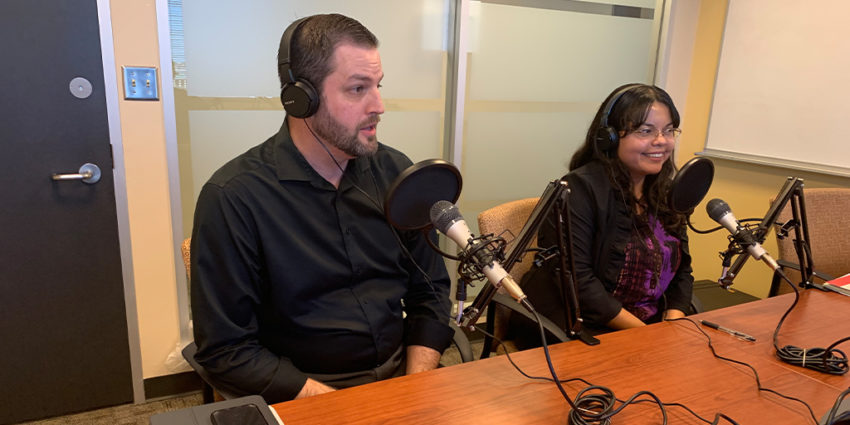
Amid a global pandemic, most find themselves inside their homes more than ever. While this is tough for some and easier for others, one thing is apparent: Many are asking some tough questions, including, are the systems that are currently in place operating in the best interest of everyone? One system in question is how our local, state, and federal governments—as well as every citizen in the country—practices sustainability. In January, we sat down with government officials from ReWorks San Antonio, an agency of the city's Solid Waste Management Department, that aims to connect businesses to cost-effective recycling solutions and promote those businesses among consumers who value social responsibility. Check out this discussion on the Salud Talks Podcast, Episode 23, ...