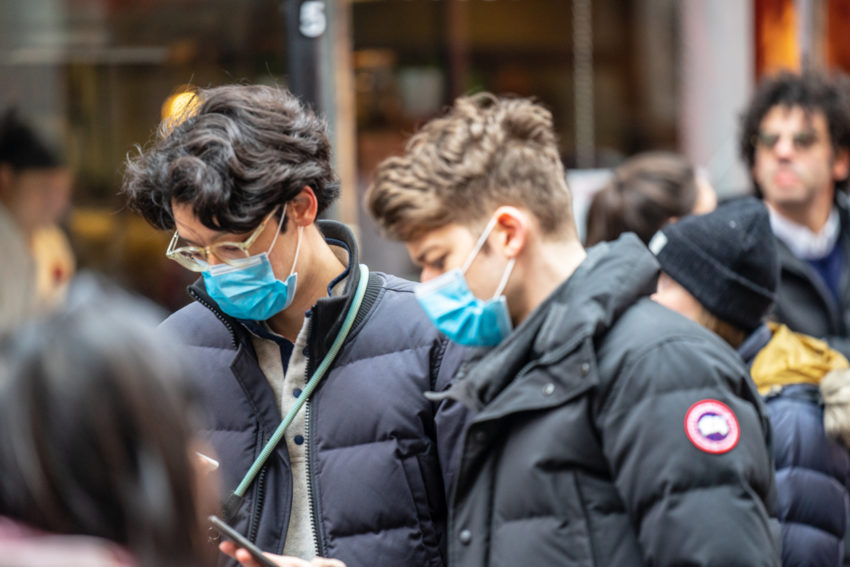
Updated 7/15/21 For more than a year, the COVID-19 pandemic has afflicted many. In the U.S., certain local, state governments declared lock-downs and stay-in-place quarantines — efforts geared at limiting the spread of the novel COVID-19. Then lock-downs reopened, then locked down again as cases rose. Across the world, cases and deaths continue, as does public health responses, including vaccines. Governments, businesses, and people continue to grapple with the coronavirus pandemic. Latinos are experiencing worsening health inequities, disparities in exposure, testing, prevention and treatment, and job impact. Latinos are experiencing disproportionately more cases and deaths, too. As equitable vaccine distribution becomes the focus, Latinos aren't getting enough ...
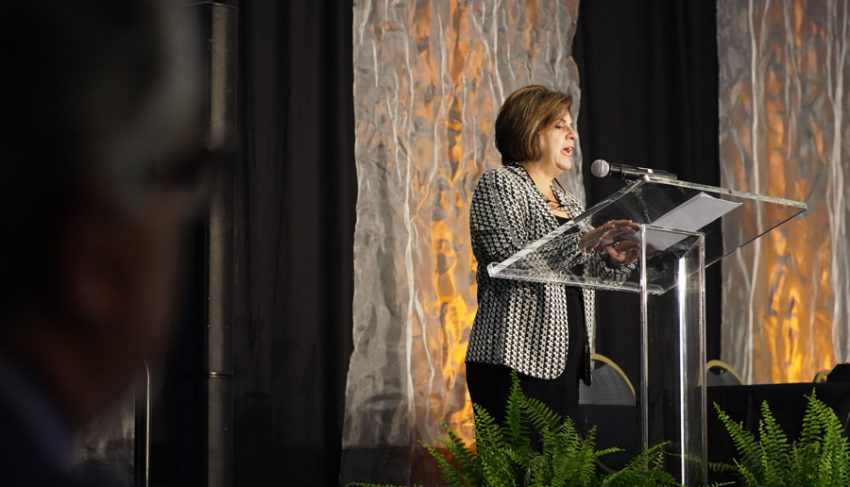
We are in the “golden age” of cancer drug development with over 50 drugs approved for cancer treatment in the past three years. But things aren’t golden for everyone. That is part of the reason why Dr. Amelie G. Ramirez of UT Health San Antonio co-hosted the 2nd Advancing the Science of Cancer (ASCL) conference Feb. 26-28, 2020, in San Antonio. The conference united nearly 300 researchers, oncologists, physicians, community leaders, policymakers and students. While looking at Latino cancer, the audience strives for solutions that will work for all. "We have to ensure that cancer treatments—or intervention, prevention, and outreach methods—work for all people," said Ramirez, who directs the Institute for Health Promotion Research at UT Health San Antonio. The IHPR ...
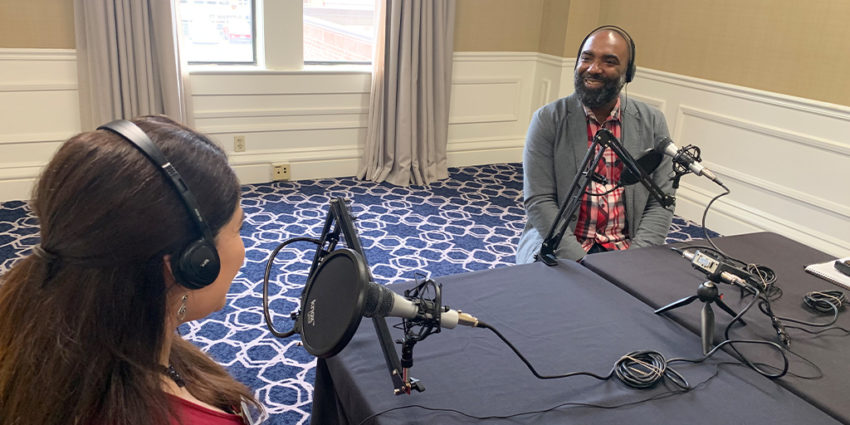
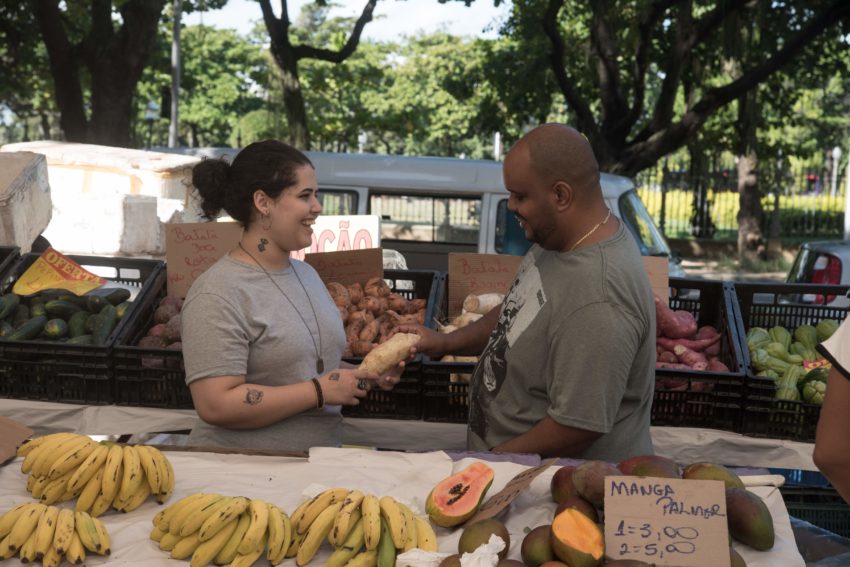
Food insecurity is an issue gripping American families—including those in the Latino community—across the country. These individuals, who live in what experts call food deserts, can lack access to healthy, nutritious meals. Dwayne Wharton, an Independent Consultant with Dwayne Wharton & Partners and the former Director Of External Affairs at The Food Trust, joins Salud Talks to discuss this issue and what progress is needed to ensure Latinos and all Americans have access to healthy foods. Check out this discussion on the Salud Talks Podcast, Episode 21, "Dietary Discrimination"! WHAT: A #SaludTalks discussion about widespread food insecurity impacting countless Latino and all American families
GUEST: Dwayne Wharton, an Independent Consultant with Dwayne ...
Our bodies are wired for survival—thanks to our biological stress response system. However, without buffering protections, adversity in childhood can lead to a toxic stress response—changes in brain structure and function, how genes are read, functioning of the immune and inflammatory systems, and growth and development. This toxic stress response is associated with increased risk for heart disease, cancer, stroke, diabetes, Alzheimer’s, depression, anxiety, suicide, and numerous other negative health and social outcomes. By screening children and families, providers can assess their risk of toxic stress and provide appropriate education, treatment, and services. After all, screening is one of the most basic tools of modern public health and preventive ...
A new Public Charge rule is part of U.S. immigration policy, as of Feb. 24, 2020. Supporters say it will protect taxpayers from overspending on welfare. They say it will help accept self-reliant, industrious immigrants. Detractors say it will inflame deportation fears among immigrants. They say it will cause immigrants to forgo needed food, housing vouchers, and health care—even if eligible. Here is what Latinos and all people should know about Public Charge.
1. What Is 'Public Charge'?
The Public Charge rule has served as an immigration policy since the 1880s. The rule sets up "grounds of inadmissibility." That is, it spells out reasons that a person could be denied a green card, visa, or admission" to the U.S., according to the Immigrant Legal Resource Center. A ...
Traffic fatality rates—in decline for 50 years—are rising again. Why? Not enough effort to get vehicles off the road, traffic safety experts say. Reducing vehicle travel can boost safety. It has many social, environmental, and health benefits, too, especially for Latinos who face many transportation barriers. Yet historical transportation planning had misplaced focus in four keys area: vehicle throughput to sprawling areas, vehicle travel safety over transportation system safety, vehicle safety over roadway safety, and reducing high-risk driving over all driving. Here is a breakdown of each issue, and why we desperately need reform.
1. Historical Focus on Vehicle Throughput to Sprawling Areas
What is sprawl? Reid Ewing, a nationally recognized transportation-planning ...
Obesity Care Week 2020 (#OCW2020) is here! From March 1-7, 2020, Salud America!, our Latino health equity program at UT Health San Antonio, is happy to be an OCW2020 Champion to support this awareness week. Obesity Care Week has a global vision for a society that understands, respects, and accepts the complexities of obesity and values science and clinically-based care. Salud America! research shows that U.S. Latinos face inequities in many areas—from poverty and social support to access to affordable housing and transportation—that contribute to higher rates of obesity. Latino adults and children have higher obesity rates (47% and 25.8%, respectively) than whites (37.9% adults and 14% children). Addressing the root causes can help address obesity. #OCW2020 has different ...
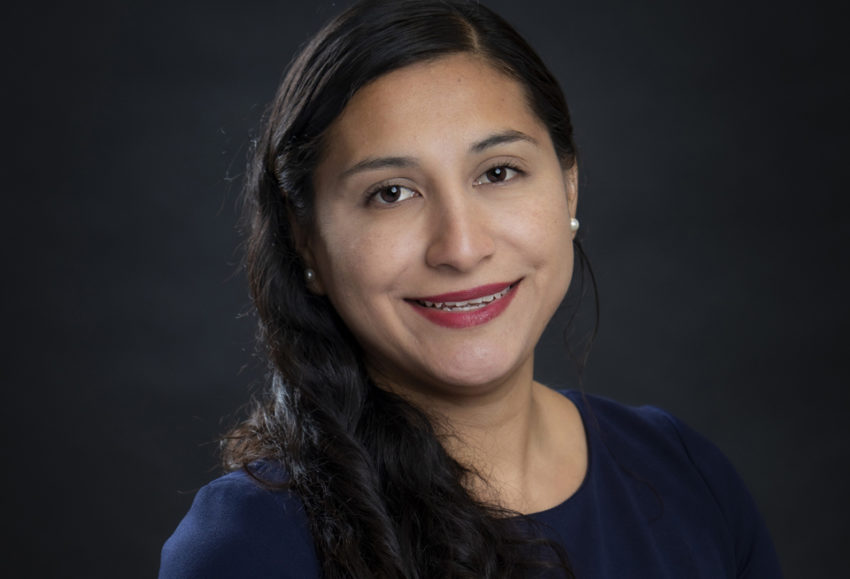
Claudia Lozano is determined to find ways to increase HPV vaccination rates and dispel myths surrounding the vaccine. Lozano, who has a master’s degree in public health from the University of Texas at El Paso, already has contributed a great deal to the field of public health through working with her city’s public health department and authoring several publications on community-based programs. As a resident of the El Paso-Juarez border, Lozano has a keen understanding of the Latino community’s needs. Since 2004, Lozano has managed El Paso’s Medicaid waiver program. The program has served 18,000 participants with preventive health screenings. In July 2018, it was recognized as a model practice by the National Association of County and City Health Officials ...
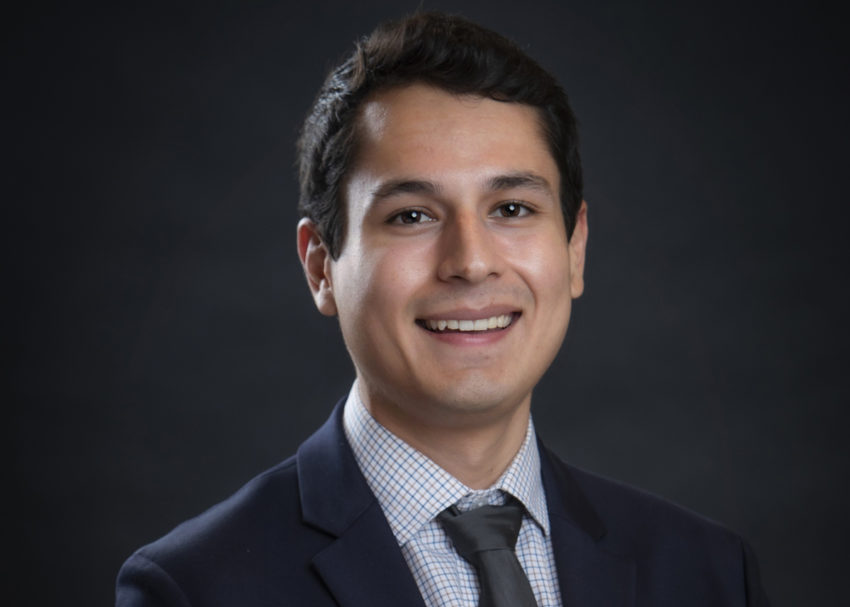
Nicholas Acuna used to suppress his culture growing up. But Acuna’s Peruvian heritage broke through and shines ever so brightly today, represented by the Llama artifact that sits on his desk to help him reconnect to his parents’ native land and reinforce his drive to reduce health disparities among Latinos. Acuna, a native of Bloomfield, N.J., is already gaining great research experience in promoting smoking cessation and other areas. While currently a master’s of public health candidate studying epidemiology at Rutgers University, Acuna is also involved in research to increase quit-smoking rates among correctional populations. He also helped research plant genetics, as well as mental health among older adults. To further his experience and education, Acuna applied for ...