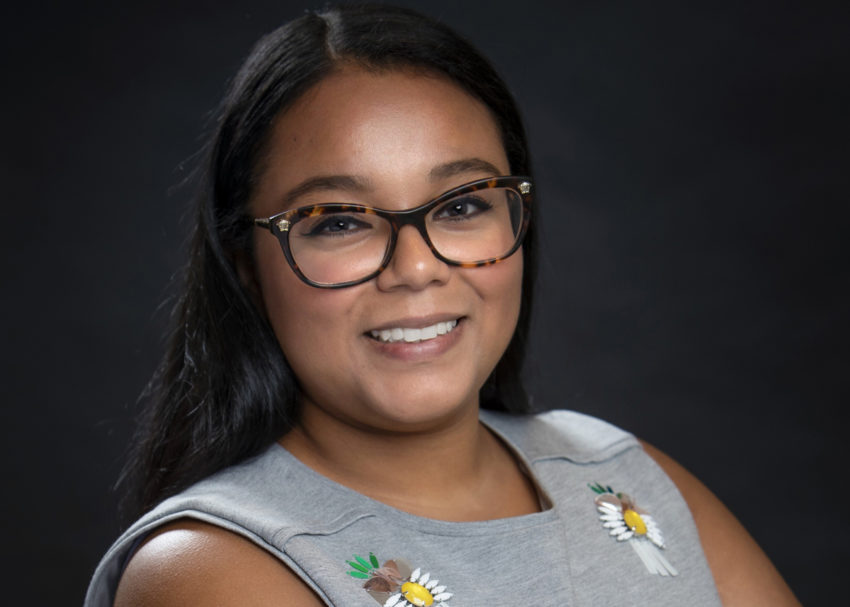
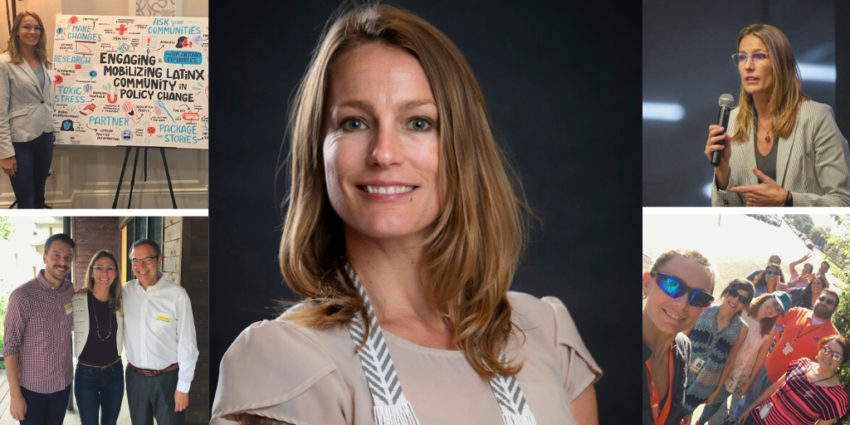
Jennifer Valdivieso has a lot of grit. In fact, she left a job she felt was morally wrong and did a complete 180. Today you will find Valdivieso speaking up for human rights, stable housing, and transportation to improve health among individuals experiencing homelessness. Valdivieso is currently pursuing a dual-master’s-degree in social work and public health at Howard University in Washington, D.C. She works as the program specialist for the homeless outreach program with the D.C. Department of Behavioral Health. Valdivieso hopes to blend her dual degree to help reduce health disparities for individual experiencing homelessness with chronic disease. To further her experience and education, Valdivieso applied for the Éxito! Latino Cancer Research Leadership Training ...
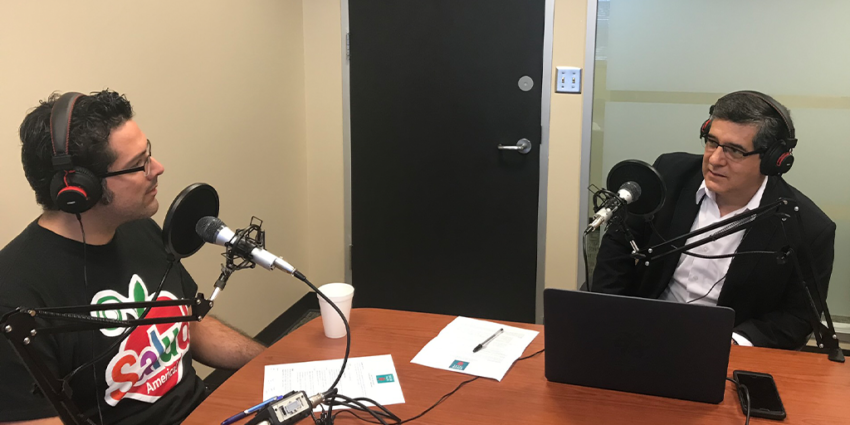
Who is your hero? They are as unique as the work they do, but one thing is consistent throughout each of their stories: Taking action to help others. Alejandro Maya, CEO of Sprocket Media Hub, discusses telling those stories through Salud America!'s web-based docuseries, Salud Heroes. Check out this discussion on the #SaludTalks Podcast, Episode 14, "Modern Myths"! WHAT: A #SaludTalks discussion on telling stories, everyday individuals stepping up, and Salud America!'s Salud Hero series GUEST: Alejandro Maya, CEO of Sprocket Media Hub
WHERE: Available wherever fine podcasts are downloaded, including Apple Podcasts, Spotify, SoundCloud, Tune In, and others
WHEN: The episode went live at 1:30 p.m., Dec. 18, 2019 In this episode, we explored questions ...
Salud America! members were among more than 120,000 people who submitted comments about a proposed cut the the SNAP federal food aid program. USDA wants to change in how it calculates heating and cooling costs when it comes to SNAP benefits. The change would limit individual states’ abilities to factor in utility costs with SNAP. This could affect people who live in cold-weather states like New York, Michigan, Minnesota, Wisconsin and Vermont. The change would cut program benefits by $4.5 billion over five years. Almost 8,000 households would lose SNAP benefits entirely. Although people submitted 120,000 comments via regulations.gov, only 5,060 are available publicly on the website. Of these, 150 were from Salud America! members. "SNAP cuts have dangerous impacts on ...
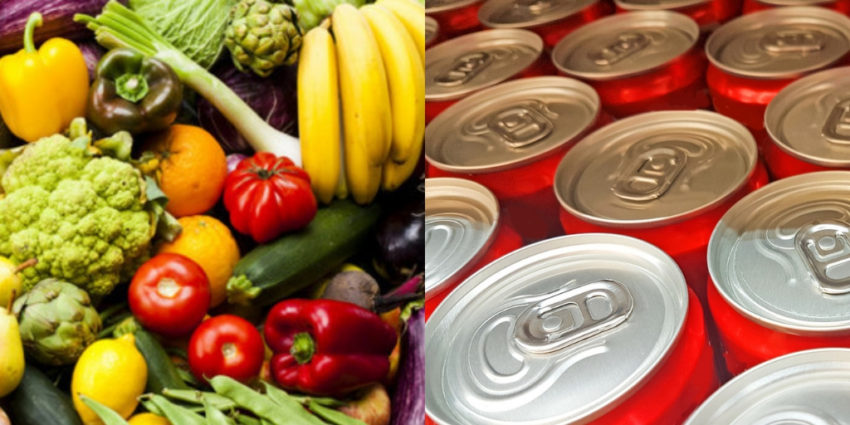
Sugary drink taxes are bubbling up across the nation. From Philadelphia to Berkeley, Calif., these sugary drink taxes are having an intended benefit—reducing consumption of bad-for-health sugary drinks and driving up water sales. But where is the tax money going? Let's look at Washington, D.C. (11.3% Latino), which recently added a sugary drink tax and is already considering a stronger one, and whether the revenue is benefiting health.
New Sugary Drink Sales Tax in D.C.
D.C. leaders recently bumped up the local sales tax from 6% to 8% on drinks with natural or artificial sweeteners that contain less than 100% juice or at least 50% milk bought in stores. City council member Mary Cheh pushed for the tax. She moved to insert this tax in the city’s $15.5 billion 2020 ...
Check out these new Spanish-language research materials on the alarming state of Latino housing, transportation, and green space from our team at Salud America! UT Health San Antonio. The new Spanish materials are based on an English research review earlier in 2019. The research found that, sadly, U.S. Latino communities face unaffordable housing, unreliable public transportation, and a lack of green space and parks. This limits Latinos’ access to health-promoting assets─medical care, good schools, healthy food, and physical activity. This also contributes to health inequities. Fortunately, community leaders can adopt dynamic land-use methods, public-private partnerships, and community involvement to build and revitalize Latino neighborhoods. This can create affordable ...
Amid an obesity crisis and a coronavirus pandemic, Latinos and all people need more water, and less sugar. Do you agree? Speak up! Submit a model comment below to urge the 2020-2025 Dietary Guidelines for Americans to add water to the MyPlate/MiPlato graphic, reduce the amount of added sugars, and make healthier diets equitable for all people! Update 6/11/20: Over 55,000 people submitted comments!
Submit a Comment for Dietary Equity!
Nearly two of every three people in the United States live with at least one chronic disease like obesity and heart disease, according to the CDC. These are caused in part by poor diets. Unhealthy eating is now the top cause of premature death in the nation (https://salud.to/unhealthy-eating-death). Communities of color and low-income families ...
Volunteering for Christmas and New Year's helps other people and is proven to give the volunteer an emotional boost, too. So why not volunteer your "voice"? Speak up with these six actions to promote health equity for Latino and all families this holiday season!
1. Start ‘Handle With Care’ So Police Alert Schools if Kids Are Exposed to Trauma!
60% of U.S. children have been exposed to violence, crime, or abuse. These kids still have to go to class. They carry a burden of trauma that can interfere with their behavior and grades. And schools don’t know there’s an issue at home. Enter “Handle With Care.” Download the free Salud America! “Handle With Care Action Pack” to start a Handle With Care program. In the program, police notify schools when they ...
Amanda Merck isn’t only a content curator for Salud America! at UT Health San Antonio, a member of many health committees, and an urban planning student at the University of Illinois at Urbana-Champaign. She is also a fighter for equitable transportation, equitable access to parks, and an advocate for children who experience trauma. Merck is a poster child for civic engagement for health equity─and she is dedicating her time and career to help countless others become civically engaged, too.
Merck: ‘Never Any Talk about Civic Engagement’
Merck grew up in many different places including California, Texas, and Montana. As the daughter of a low-income, high-school dropout, working was meant to pay the bills. “There was never any talk about civic engagement nor ...
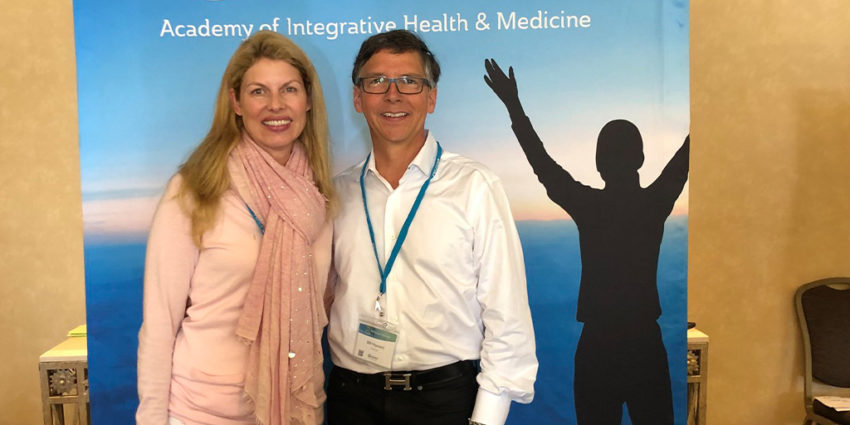
Bill Hayward learned a disturbing truth when he ventured into the crawlspace underneath his home. For a year, he, his wife Adriana, and other members of their family experienced consistent migraines, mood swings, extreme fatigue, flu-like symptoms, and a host of other health problems — with no root-cause explanation. They sought help from experts and professionals alike to no avail. Using a last-ditch, do-it-yourself test, Bill discovered their home itself was full of mold and that it was responsible for their symptoms. "It's terrifying and heartbreaking," Adriana said. "I felt really hopeless; the medical profession not really knowing what to do with it and dismissing it. It was just a very dark and sad time for our family." Mold and other environmental factors can lead ...