Did you know that Latinos comprise less than 7.6% of clinical trial participants? This means that researchers have less chances to develop new cancer treatments for this population, which suffers a heavy burden of certain cancers, obesity, and mental health issues. Join us and use #SaludTues on Jan. 21, 2020, to tweet about how to increase Latino participation in clinical trials to prevent health disparities, in celebration of the quickly approaching Advancing the Science of Cancer in Latinos conference: WHAT: #SaludTuesTweetchat: Engaging Latinos in Clinical Trials
DATE/TIME: 1-2 p.m. EST (Noon-1 p.m. CST), Tuesday, January 21, 2020
WHERE: On Twitter with hashtag #SaludTues
HOST: @SaludAmerica
CO-HOSTS: FDA Minority Health & Health Equity ...
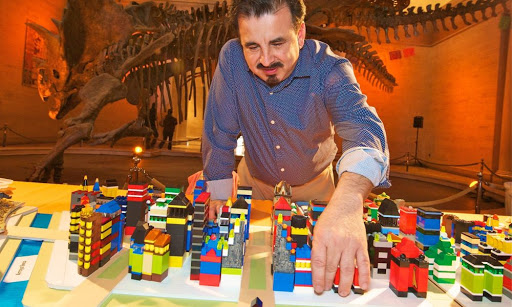
James Rojas loved how his childhood home brought family and neighbors together. The L.A. home had a big side yard facing the street where families celebrated birthdays and holidays. Uncles played poker. Aunts tended a garden. Children roamed freely. Mexican elders—with their sternness and house dresses—socialized with their American-born descendants—with their Beatles albums and mini-skirts. Rojas was shocked to find some would look down on this neighborhood. “Why do so many Latinos love their neighborhood so much if they are bad?” he wondered. Rojas, in grad school, learned that neighborhood planners focused far more on automobiles in their designs than they did on the human experience or Latino cultural influences. He wanted to change that. Rojas has spent ...
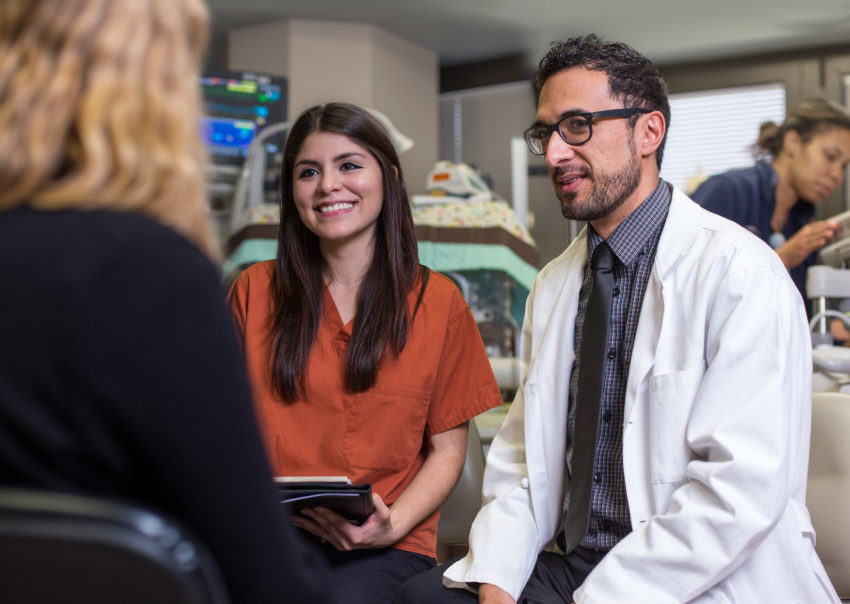
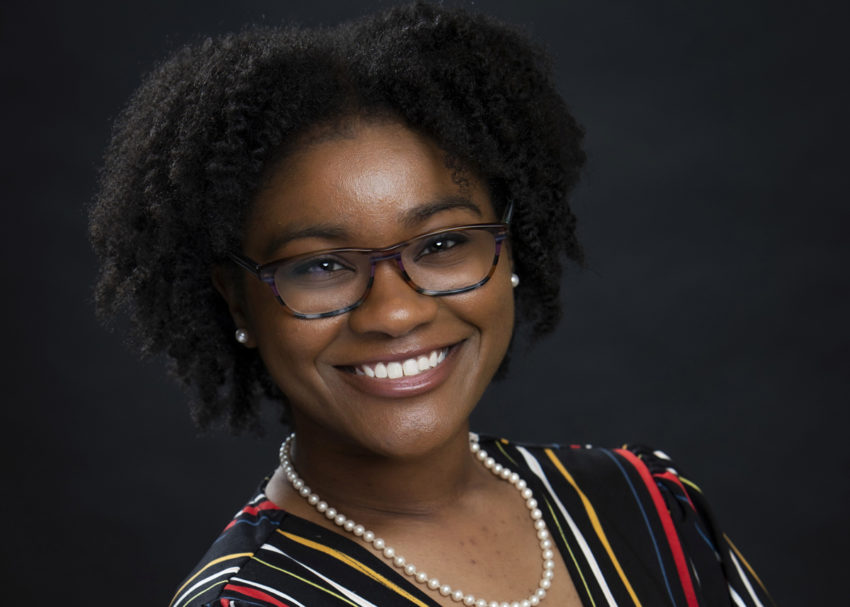
Having witnessed how lack of health information harms Latinos’ quality of life, Alexis Smith wants to bridge the gap between researchers and marginalized communities. Originally from Alabama, Smith is a first-year master’s-degree student in public health at the Columbia University Mailman School of Public Health. Her focus is in health promotion research and practice, because she is incredibly interested in advocating for quality healthcare for all people and empowering communities through interventions that are both innovative and evidence-based. She already has served in various public health roles, from working in a community health center as a diabetes prevention coach in the Bronx, to managing social media and youth engagement for a mobile health clinic in Boston. To ...
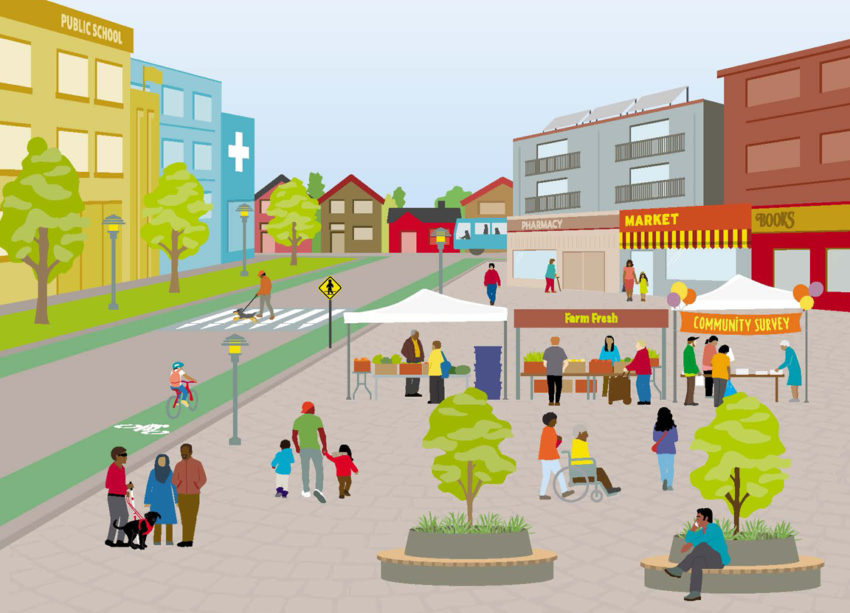
Local planners have the power to help create healthy, fair communities. Unfortunately, common planning practices have contributed to the high percentage of poor people and people of color who live in unhealthy places, widening disparities in health and wealth. That's why our friends at ChangeLab Solutions created Long Range-Planning for Health, Equity & Prosperity: A Primer for Local Governments. This can help planners prioritize health and equity in their work. "By integrating health and equity considerations into planning practices, planners have the power to revise past planning decisions and create healthy, equitable, and prosperous communities," ChangeLab reports.
Place Matters for Health Equity
Where you live matters for your health. Inequitable city planning, ...
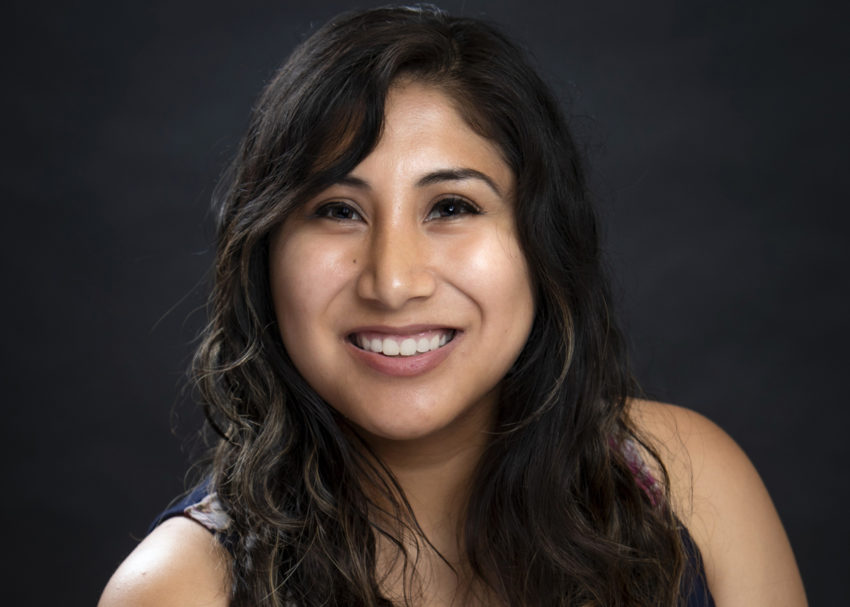
Growing up, Sophia Rodriguez experienced a clash of Peruvian-Mexican cultures, traditional values, and food in her home. This prepared her to confront uncomfortable health and social justice issues. Now Rodriguez is pushing for Latino health as a master’s-degree student in health promotion and behavioral science at San Diego State University, where she also works as part of a research team to boost colorectal cancer screening. Rodriguez also has coordinated programs for disadvantaged pre-med and pre-health students with the University of California, Riverside. One of the programs involved health coaches stationed at Riverside County clinics that focused on lifestyle modifications for patients with diabetes, high blood pressure, and high cholesterol. To further her experience ...
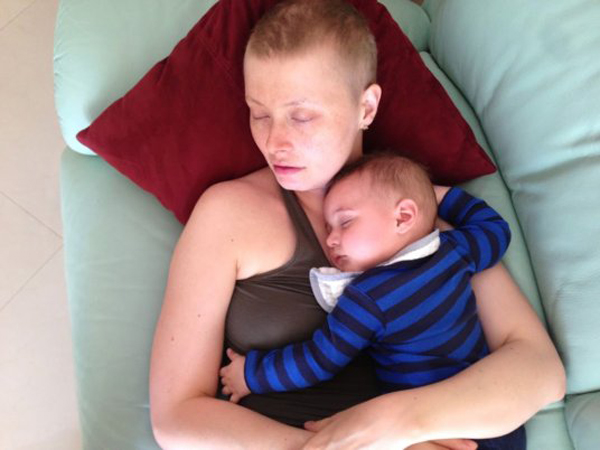
When Julia Maues was 29, she gave birth to a healthy baby boy who had a full head of hair—while she had no hair at all due to chemotherapy for breast cancer. During her pregnancy, she was diagnosed with HER2-positive breast cancer. Maues began chemo while pregnant, which is the standard of care. After her son was born in 2013, she underwent more tests she couldn’t have while pregnant. Doctors found that her cancer had already spread to her brain, liver, and bones. After trying different drugs and finding the right one, the cancer started to respond to the therapy. There were (and still are) many setbacks: Most drugs don’t penetrate the brain, many drugs harm the heart, the side effects can be debilitating, and her incurable illness has taken a huge emotional toll on ...
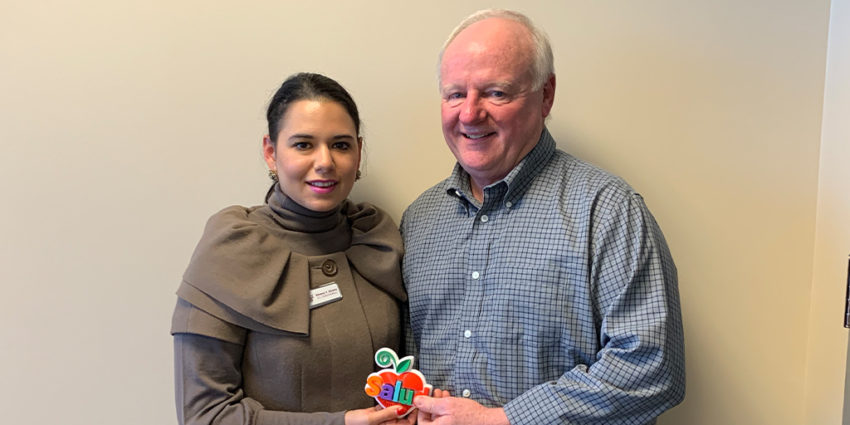
How much do you know about the U.S. Census? This year, Americans will be given the opportunity to participate in this national count of the people living in America today. Experts, including those from the Census Bureau, say every single person alive needs to complete this survey — it impacts health, local funding, and so much more. Census Bureau Deputy Regional Director Dennis Johnson and Media Specialist Ximena Alvarez join to talk about this once-in-a-decade event and its importance to the American people. Check out this discussion on the #SaludTalks Podcast, Episode 15, "Everyone Counts"! WHAT: A #SaludTalks discussion on telling stories, everyday individuals stepping up, and Salud America!'s Salud Hero series GUEST: Census Bureau Deputy Regional Director ...
How important is healthy equity in schools? Amid the growing diversity among U.S. children, especially the rise of the Latino population, the future success of the nation depends on creating schools that are the healthiest─and most equitable─for all children. Let’s use #SaludTues on Tuesday, Jan. 14, 2020, to tweet how schools can equitably improve the food, physical activity, and learning environment for all children! WHAT: #SaludTues Tweetchat: How to Boost Health Equity in Schools
TIME/DATE: 1-2 p.m. ET (Noon-1 p.m. CT), Tuesday, Jan. 14, 2020
WHERE: On Twitter with hashtag #SaludTues
HOST: @SaludAmerica
CO-HOSTS: The Children’s Health Fund (@chfund), The Healthy and Ready to Learn program of the Children’s Health Fund (@HRLNYC), Action for Healthy ...
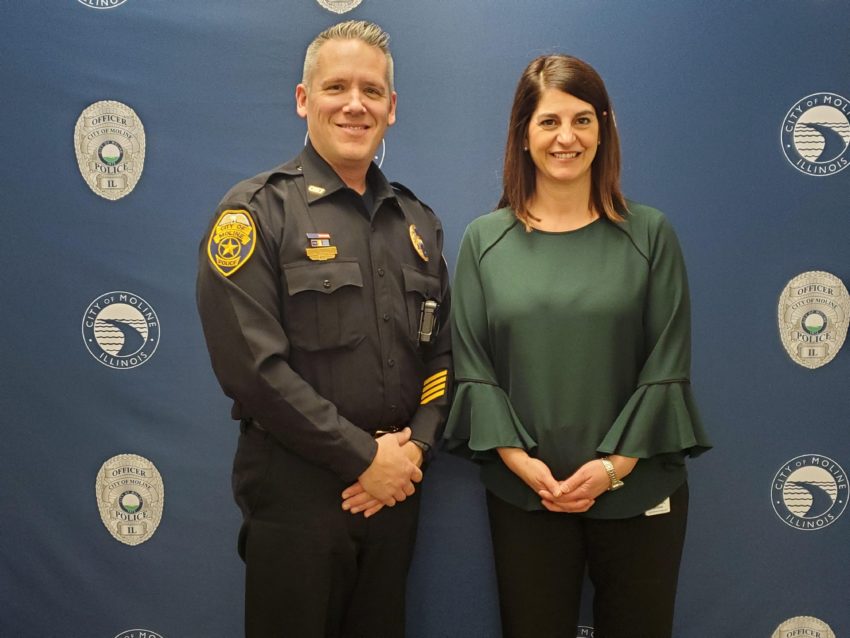
Police Chief Darren Gault believes kids deserve more support in avoiding risky behaviors. Gault knows when police officers interact positively with kids inside schools and out, they help kids stay in school and stay away from crime in Moline, Ill. (16.8% Latino). But officers already have so many unfunded mandates on their time. That is why Gault was so excited when he learned about the low-burden, no-cost “Handle With Care” program, which provides positive interactions for kids who experience traumatic events. Gault shared the program with Rachel Savage, superintendent of Moline-Coal Valley School District. Together, Gault and Savage—with help from a Salud America! Action Pack—are launching the Handle With Care.
People in Moline Face Stress, Violence
Gault and ...