The Institute for Integration of Medicine & Science (IIMS) and the UTSA College of Health, Community and Policy announced the winners of the 2026 IIMS Community Engagement Small Project Grants program. Seven community-academic partnerships from South Texas, focused on topics from men’s health to caregiving, each have been awarded a $5,000 grant. The aim is to translate research into public health benefits. Grants are available to newly developed or current partnerships with projects focused on research/assessment, education/training, and/or dissemination/communication of research results, program features, or policy implications.
Dr. Erika Brigmon, Gabrielle Capesius, and Lacy Lichtenhan
“Arts for Justice: The Story of Firearm-related Violence from a Youth ...
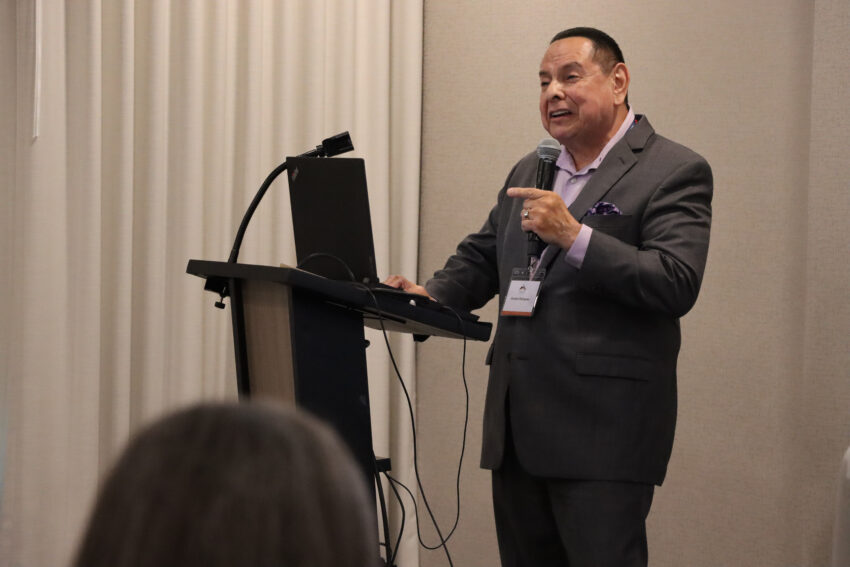
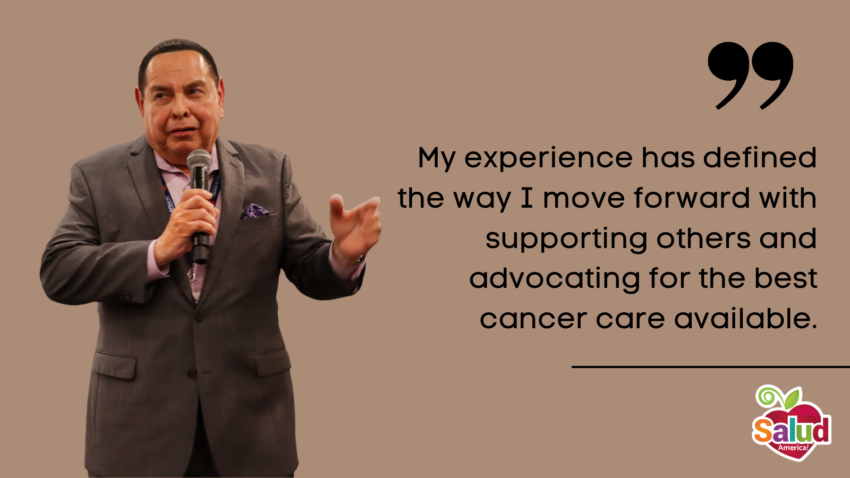
by Arnoldo Rodriguez Para la mayoría de las personas, septiembre es simplemente la frontera entre el verano y el otoño. Pero para quienes hemos sido tocados por el cáncer, es un mes de gran peso. Para mí, ese peso se duplica. Septiembre es a la vez el Mes de Concientización sobre el Cáncer de Próstata y el Mes de Concientización sobre el Cáncer de la Sangre. Como sobreviviente tanto de cáncer de próstata como de linfoma folicular, este mes siempre llega con una compleja mezcla de emociones. Actúa como un doble espejo, obligándome a mirar atrás hacia las luchas distintas y agotadoras de dos diagnósticos completamente diferentes. Reaviva los fantasmas de ansiedades pasadas, el frío clínico de las salas de tratamiento y la profunda vulnerabilidad de ser paciente. Ese ...
by Arnoldo Rodriguez For most people, September is simply the boundary between summer and autumn. But for those of us whose lives have been touched by cancer, it is a month of heavy significance. For me, that weight is doubled. September is both Prostate Cancer Awareness Month and Blood Cancer Awareness Month. As a survivor of both prostate cancer and follicular lymphoma, this month always arrives with a complex rush of emotions. It acts as a double mirror, forcing me to look back at the distinct, grueling struggles of two entirely different diagnoses. It reawakens the ghosts of past anxieties, the clinical chill of treatment rooms, and the profound vulnerability of being a patient. That is the bitter side of September—the visceral reminder of what was endured. If you are ...
Heart disease is the top cause of death among U.S. Latinos. In addition, data shows widening gaps in hypertension control, obesity, and diabetes among Hispanic populations, heightening their risk of heart disease and stroke, according to a new scientific statement by the American Heart Association (AHA). "Advancing cardiovascular and [fair] health will require developing a deeper understanding of the unique drivers of cardiovascular disease within ... Hispanic communities, addressing barriers such as language and insurance access, and implementing culturally tailored interventions and policies," according to AHA's scientific statement. Let's explore AHA's statement and some ways to take action during Hispanic Heritage Month.
Heart Issues among Latinos
AHA's scientific statement ...
“Para bailar La Bamba se necesita una poca de gracia.” There’s a strong chance you’ve heard this song, “La Bamba,” on the radio, on TV, walking through the grocery store, or somewhere else at least once in your life. While there are several different versions of this song, one of the most well-known was recorded by Ritchie Valens, a rock ‘n’ roll icon who had a short but impactful career. During Hispanic Heritage Month, Salud America! is celebrating Latino trailblazers, historical figures, and inspirational stories. This year we are highlighting the career and contributions of Ritchie Valens, a Mexican American singer and songwriter who blazed a trail for rock musicians for decades to come.
Ritchie Valens: Early Life Before Fame
Richard Steven Valenzuela ...
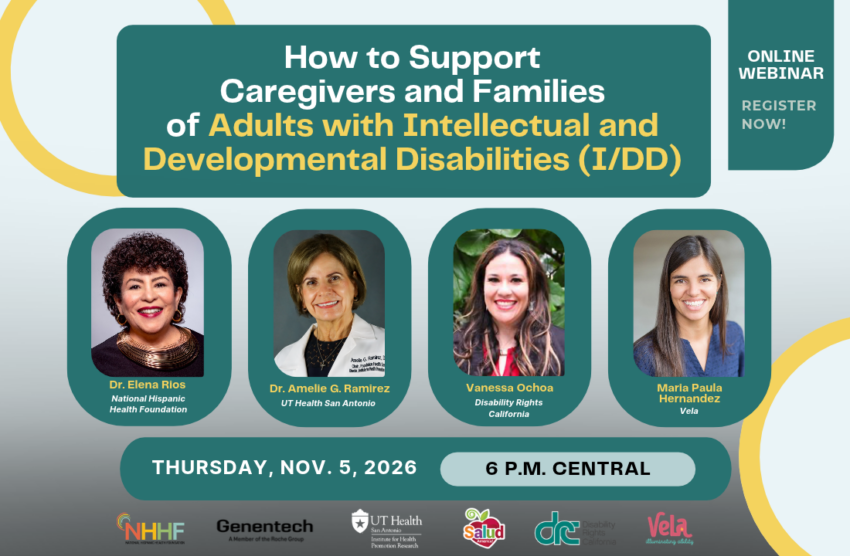
Less than half of the 2.25 million adults in the US who live with intellectual and developmental disabilities (I/DD) were part of government programs that helped people receive assistance, such as Medicaid and Medicare. To make sure caregivers and families can connect to much-needed services, join UT Health San Antonio’s webinar, “How to Support Caregivers and Families of Adults with Intellectual and Developmental Disabilities (I/DD),” at 6 p.m. Central on Thursday, Nov. 5, 2026. Webinar host Dr. Amelie Ramirez, leader of Salud America! and the Institute for Health Promotion Research at UT Health San Antonio, will join experts from the National Hispanic Health Foundation (NHHF), a representative from Genentech, and organizations working to improve quality of life for ...
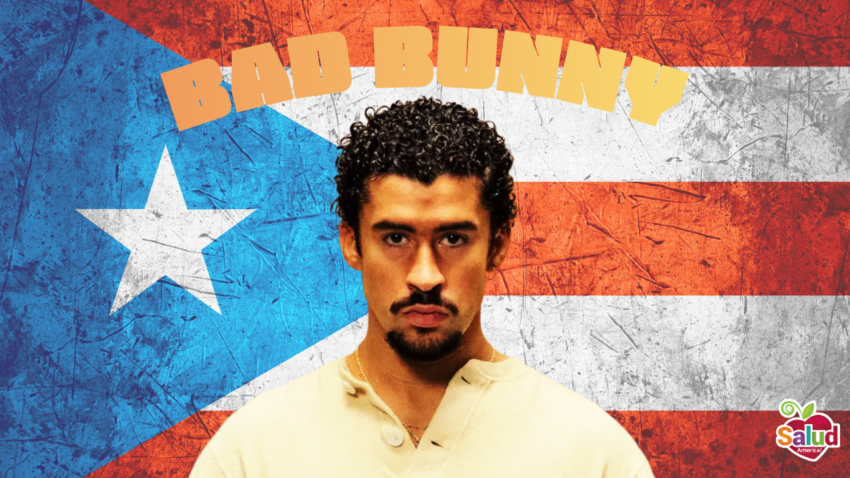
In 13 minutes, audiences caught a glimpse into the vibrant colors, unique island sounds, and iconic cultural symbols synonymous with Puerto Rico. Viewers traveled through the towering sugar cane fields to la casita for a party de marquesina then to Castillo San Felipe del Morro for a wedding followed by a trip to Toñitas in New York for drinks and fixing downed power lines. For many, the 2026 Super Bowl Half Time Show was a performance, but for others it was a love letter to Puerto Rico on center stage at the biggest musical event of the year. And Bad Bunny was the conductor. As the show came to a close, Bad Bunny wielded a football at the screen that bared the words, “Together we are America,” and uttered the phrase, “Seguimos aquí.” We’re still ...
For Claudia Perez-Favela, cancer has always been the elephant in the room. Claudia has seen her Latino family members endure cancer and even perish from the disease over the years. Yet they never openly shared their experiences. “In my family, cancer is like the flu,” she said. Because cancer is such a taboo subject in her family, when Claudia got cervical cancer from the HPV virus, she couldn’t turn to her family for support. “They are gonna say ... I got cancer because I did something wrong ... we don’t talk about cancer,” she said. Instead of staying silent, Claudia shook off the stigma behind her diagnosis and started to share her story and challenge the harmful falsehoods behind HPV so women like her can stay informed against ...
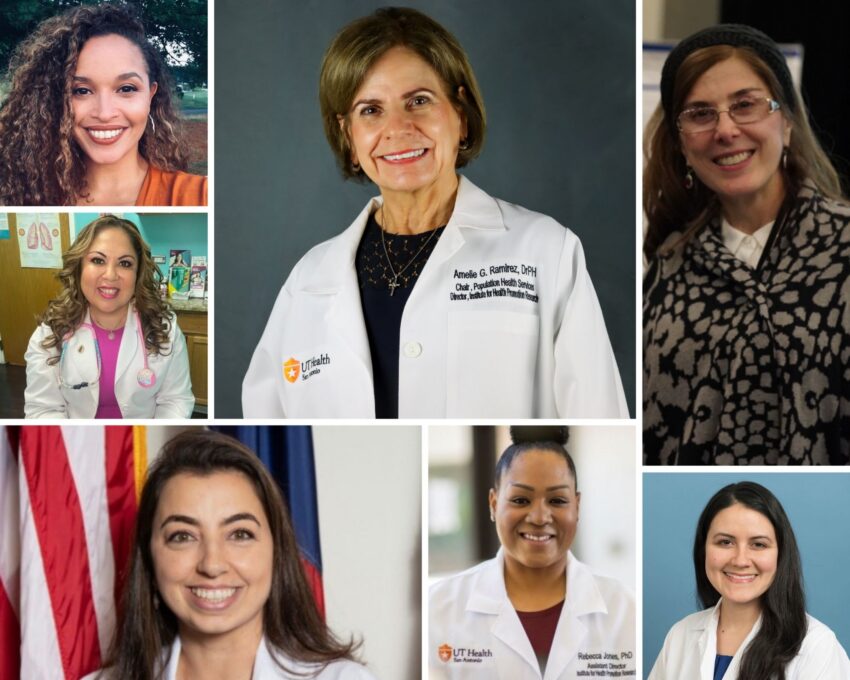
We appreciate the doctors who take care of us and our familias. National Women in Medicine Day, which on Sept. 17 during Hispanic Heritage Month, aims to recognize, celebrate, and amplify the women who are making a difference across medicine and healthcare. We at Salud America! are excited to observe National Women in Medicine Day by highlighting seven of our favorite Latina physicians and health leaders!
1. Dr. Amelie G. Ramirez Dr. Amelie G. Ramirez is an internationally recognized health researcher at UT Health San Antonio. Here, she is professor and chair of the Department of Population Health Sciences and director of the Institute for Health Promotion Research at UT Health San Antonio. She also is associate director of cancer outreach and engagement at the Mays ...