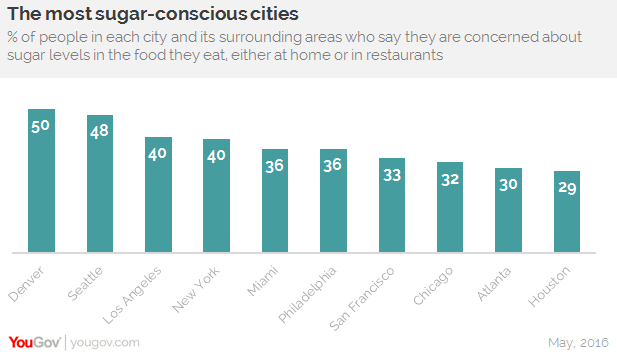
Many cities are being more thoughtful in the amount of sugar that is in food, even purposing soda taxes, or sugary beverage warning labels to decrease sugars found in many convenient food and beverages options throughout stores and restaurants. According to reports from YouGov, some cities are more concerned with sugar consumption than others, noting reports on soda's and other sugar-filled products to add to health risks like obesity, diabetes, and tooth decay. The data shows the percent of people in each city that say they are concerned about sugar levels in the food they consume, with Denver at the highest percent concerned of sugar levels, 50%, and the lowest concerned city about sugar as Houston at 29%. The data also reported the cities that consume the highest amount of ...
Local governments across the country are realizing the importance of a multimodal transportation network to not only reduce traffic congestion, but to increase road safety, drive economic development, and improve health. "While local officials have historically seen trail networks primarily as a means of recreation, people are increasingly using them as ways to get to work, school, or wherever they need to go," Mayor Patrick Wojahn of College Park, Maryland wrote in a guest post on CitiesSpeak, the official blog of the National League of Cities. Hundreds of thousands of deaths per year could be prevented if residents met the minimum physical activity guideline recommendations of 30 minutes of physical activity per day for five days per week. Considering the growing Latino ...
A new program called Students for Nutrition and Exercise (SNaX) is helping obese students in Southern California have healthier weights for longer periods of time. According to a recent article, SNax combined school-wide environmental changes, encouragement fo healthy eating, healthy foods in cafeterias and peer-led education and marketing to help students change their body mass index (BMI). Over 1,368 students heights and weights were assessed before and after two years of the program in over five schools within the Los Angeles Unified School District where thirty percent of the students were classified as obese at the start of the program. Two years later students showed a "significant decline" in BMI, around nine pounds lower in body weight, according to the article. The ...
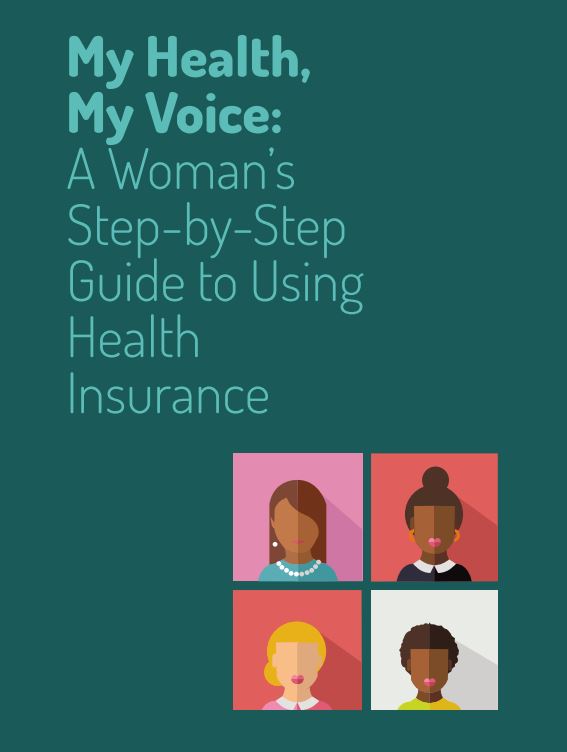
Raising Women’s Voices (RWV), a national initiative working to make sure women’s voices are heard and women’s concerns are addressed as policymakers put healthcare laws into action, has finished preparation of Mi Salud, Mi Voz: Una Guía Paso a Paso Para Mujeres Sobre Cómo Usar el Seguro Médico. This guide is a Spanish translation of many popular health literacy materials. RWV Regional Field Manager Cecilia Saenz Becerra worked with three translators—Tony Macias, Jen Hofer, and Lucy Acevedo to produce the Spanish-language guide. “Working with the team of translators, we used Spanish language that was precise and accurate, while also trying to make it accessible to diverse Spanish-language readers,” she explained. Mi Salud, Mi Voz: Una Guía Paso a Paso Para Mujeres ...
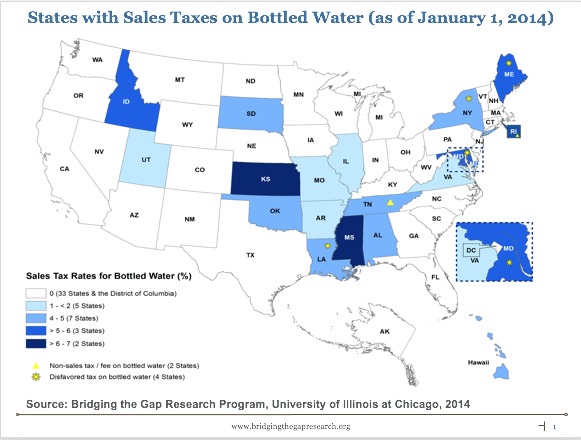
Needing a little research around sugary beverage taxes on soda, water, and snack foods? Learn about state-by-state bottle water tax rates, and soda tax rates from Bridging the Gaps 2014 research briefs and powerpoint maps that show the latest bottled water and soda taxes. Also in the brief, researchers show sales tax rates for each of the 50 states on bottled water, sodas and selected snack products sold through grocers and vending machines. Visit Bridging the Gap's page here to review all briefs and ...
The BUILD Initiative works with early childhood leaders within states and nationally to better prepare young children to thrive and succeed. They developed a Community Systems Development Toolkit tailored to the needs of community-based collaboration and organized in systems change theory to provide communities interested in or engaged in collaborative work with comprehensive resources that cover the full spectrum of community systems and coordination work Watch BUILD Initiatives new video that explains their work and why taking a systems building approach is key to helping young children thrive! Share this video and toolkit with parents, educators, doctors, social workers, park district coordinators, business leaders, and policymakers who support healthy environments for ...
A new report from the Heartland Regional Health Equity Council addressed the disparities in heart disease in four Midwest states: Iowa, Kansas, Missouri, and Nebraska. The Heart Disease Disparities Report provides an overview of the demographics and heart disease disparities in these states. Chronic conditions, such as heart disease, stroke, cancer, and diabetes are among the most frequent and costly health conditions in the United States. Latinos are disproportionately burdened by many of these chronic illnesses. The data in the report covers the time period from 2000 to 2010. The data was collected from numerous sources, including online tools, state health department offices, and surveys. Some of the findings from the report include dramatic Latino population increases in the four ...
It's that time of year again! Summer is nearly hear and we're excited to share this wonderful opportunity for San Antonio youth to get involved in the American Diabetes Association's (ADA) Camp Power Up! This year's 2016 Camp Power Up will take place June 6-10 at San Antonio's Westside YMCA! Camp Power Up! is a FREE healthy lifestyle/diabetes prevention program (est. value $700) open to students ages 10-14 yrs, with a physician's referral. During the week long event, 50 campers and their families will get to enjoy: health/nutrition education;
indoor and outdoor fun activities;
field trips;
parent health education sessions; and
a family celebration night Lunch and snacks will be provided, as well as health information and prizes. If you know of a physician who ...
The Urban Institute's mission is to open minds, shape decisions, and offer solutions through economic and social policy research. Health is high on the list, not only because of the ever-increasing healthcare costs and societal costs related to American's poor health-obesity, heart disease, diabetes-but health is influenced by numerous aspects of our lives, not just what happens in the doctors office. In the Urban Institute paints the picture of health in America in their The Picture of Health: At Home, at Work, at Every Age, in Every Community series, which was funded with support from the Lawrence & Rebecca Stern Family foundation, Inc. The Picture of Health project weaves research into storytelling, looking at numerous aspects of our lives that influence health. The ...