In the last few years of the COVID-19 pandemic, many of us have come to appreciate the critical importance of public health. In honor of National Public Health Week 2023 (Monday April 3 through Sunday April 9), we’re highlighting an emerging public health concern that impacts health outcomes worldwide: the commercial drivers of health (CDoH). Let’s examine why CDoH is gaining more attention among public health professionals, and how we can address its negative health impacts.
What are the Commercial Drivers of Health?
In the past decade, public health practitioners have noted the growing influence of companies on federal laws and policies. As a result, companies have gained more power in shaping our social, physical, and background environments through business actions that ...
The American Heart Association (AHA) is working to boost health improvement through a variety of online health lessons, called EmPOWERED to Serve. EmPOWERED to Serve includes over a dozen science-based toolkits and lessons covering health education and community support. Toolkits are free and open to the public and can be reached on the EmPOWERED to Serve Health Lessons website. “The EmPOWERED to Serve health lessons offer a way to engage and motivate communities to create a [positive] health [environment],” according to the AHA website. Let’s dive into why these health lessons are a useful and how they can be beneficial for all!
Health Differences Among Communities
Where you live can have a big impact on your health. In fact, our health is influenced by a variety of ...
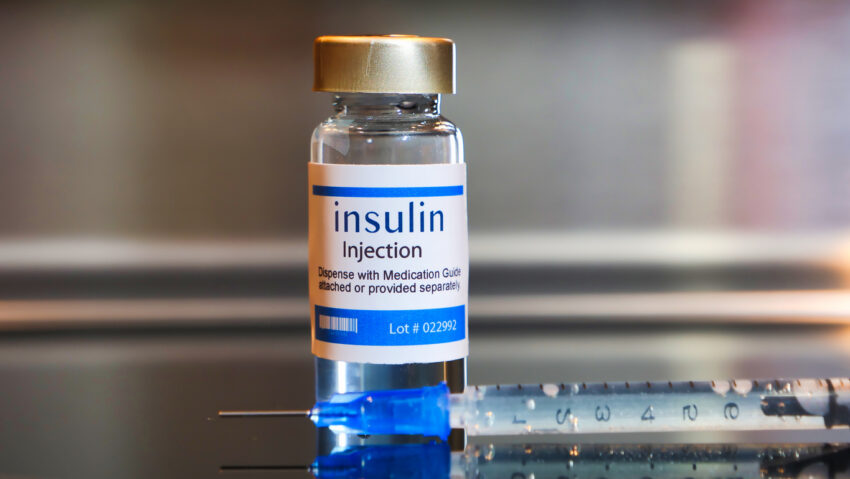
Update: Sanfori, the third major insulin drug maker, announced it will cap the out-of-pocket cost of Lantus, the company's most popular insulin, at $35 per month for people with private insurance. Sanfori will implement this change Jan. 1, 2024. Diabetes affects millions of Americans, especially Latinos. But the cost of insulin medications to manage the disease are unaffordable. Fortunately, recent strides have helped lower the cost of insulin medications, bringing financial relief to many households, and potentially saving lives. In honor of American Diabetes Alert Day on March 28, we’re highlighting these significant strides and discussing what lowered drug costs could mean for Latinos and all diabetes patients.
How Much Does Insulin Cost in the US?
In recent years, the ...
Knowing where germs live and thrive is important for infection control in healthcare. When you understand where germs live and how they can spread from place to place and make people sick, the infection control actions you take to keep them from spreading become second nature.
How Do Germs Spread?
Germs must be moved from person to person, place to place, or between places and people for them to potentially get someone sick. When you’re thinking about the risk for germs to spread in healthcare, the first step is to think through where germs live. A “reservoir” is a place where germs live and thrive. Like a habitat. Reservoirs can be in the human body – the skin, the gastrointestinal system, the respiratory system, including the nose, throat, and lungs, and the ...
Did you know that our health is influenced by many non-medical factors? That’s right. The conditions in which we are born, grow, live, work, and age – known as non-medical drivers of health – can greatly help or harm our health. As a result, more healthcare facilities are screening patients for non-medical drivers of health through written questionnaires or verbal questions. Screenings can cover a variety of topics, such as mental and financial health and access to healthy food, transportation, and affordable medication. Non-medical drivers of health screenings can help medical providers better understand and address patients’ social needs, which can be beneficial for overlooked patients who face health differences, such as Latinos. If patients screen positive for ...
As the US Latino population continues to grow, so does the number of Latinas. Today, the Latina population has grown at a faster rate than Latino men, with 24% of Latinas making up the total population (compared to a 22% growth for Latino men). With this increase also comes more Latinas in higher education. Latinas have experienced a 52% rise in college degree attainment at Hispanic-Serving Institutions (HSIs) from 2015 to 2020, according to a new report from Excelencia in Education. In 2020, Latinas earned over 300,000 degrees at HSIs (growth of 52%) compared to 188,000 degrees earned by Latino men at HSIs (growth of 44%). Let’s dive into the growth and numbers of Latinas in higher education.
Latina College Enrollment & HSIs
As of Fall 2020, almost half (48%) of ...
Nutritious food is an essential part of a healthy lifestyle for children. However, a February 2023 CDC report shows that many children ages 1-5 are not eating fruits and vegetables daily and are regularly drinking sugary beverages. “In 20 states, more than one half of children did not eat a vegetable daily during the preceding week. In 40 states and the District of Columbia, more than one half of children drank a sugar-sweetened beverage at least once during the preceding week,” according to the CDC. Let’s dive deeper and find out the state of diets among Latinos and all children, the role of healthy food access, and how we can create healthier food environments for children.
The State of Children’s Fruit and Vegetable Consumption
The new CDC report paints a grim ...
A nutritious diet is essential for good health. But many overlooked populations, such as Latinos, struggle to access and afford healthy food. To help, we need to know where to start. Fortunately, a new tool, the Food [Fairness] Opportunity Map, highlights healthy food access issues across the country to show where improving access would make the greatest impact. “Together, we can build community health through improving food [fairness], but only if we first understand where that work is most needed. That’s why we launched the Food [Fairness] Opportunity Map,” according to the creators of the map, Partnership for a Healthier America (PHA), a national nonprofit organization focused on health fairness, and the University of Maryland Baltimore County.
Mapping Food Fairness and ...
The average adult should sleep about 7-10 hours a day. But a person may get more (or less) sleep depending on the season, according to a recent study from researchers in Berlin, Germany. “Even in an urban population experiencing disrupted sleep, humans experience longer REM sleep in winter than summer and less deep sleep in autumn,” according to a news release about the sleep study. “In general, societies need to adjust sleep habits including length and timing to season, or adjust school and working schedules to seasonal sleep needs.” This begs a few questions. What other factors impact sleep? Are Latinos affected differently? Let’s explore the topic of sleep for Latinos, why it’s important, and factors that can impact it!
Sleep Can Differ Between ...