Latinos face a number of health disparities and inequities in many aspects including housing, transportation, and overall health. While it’s important to focus on the many barriers that Latinos face, it’s also beneficial to highlight the assets of this diverse population. Latinos have many individual and family strengths they can draw on to be resilience in the face of hardship and guard against the negative effects of adversity on their well-being, according to a new analysis from the National Research Center on Hispanic Children & Families. Let’s explore strengths of Latino children, parents, and families!
What Are Latino Children’s Strengths?
The new analysis, which reviewed 35 studies from 2000 to 2022, identified strong social skills as one of the key ...
Latinos and other people of color face heavy burdens of cancer, diabetes, and more. These disparities are driven by systemic racism and discrimination that make it harder for people of color than their White peers to get equitable healthcare, education, and more. That is why Salud America! at UT Health San Antonio is a part of the Collaborative for Anti-Racism and Equity (CARE), a group that provides tools and resources to help people make connections and inform solutions to advance health and racial equity. As part of this group, we are excited to share a new case study from the Greensboro Health Disparities Collaborative (GHDC). The GHDC – a group of community leaders, advocates, public health researchers, and healthcare professionals – resolved racial disparities in ...
Social media plays a large role in society today. People use Facebook, Twitter, YouTube, Instagram, Tik Tok and many other platforms as daily sources for education, entertainment, work, and more. However, can spending too much time on social media have a negative impact? Researchers have continuously studied how social media affects mental health. While the results are mixed, heavy use of social media can contribute to negative factors including cyberbullying, low self-esteem, and social isolation. This is important for Latinos, 98% of whom own a smartphone and who are the highest-percentage users of Facebook, Instagram, Tik Tok, and WhatsApp among racial/ethnic groups. “Hispanics spent almost two more hours per week watching videos, streaming audio and social networking ...
Latina workers are playing a growing role in the U.S. economy, but continue to face barriers to economic security, according to a report from the Joint Economic Committee (JEC). “Hispanic women represent a critical and growing segment of the U.S. labor market and economy. The increasing labor market participation of Latinas is helping support the ongoing economic recovery and the resilience of the American workforce,” according to the study. Let’s explore the increasing labor market participation of Latinas and what it means for the future.
How Many Latinas Are in the Labor Market?
Latinos overall represent 18.9% of the U.S. population. Latinas account for 16% of the female labor force, the second-largest racial/ethnic group of women workers, according to the U.S. ...
Gun violence and traffic crashes may seem like unpredictable events. But they are not random. They are systematic. Data reveal trends and patterns in gun violence and traffic crashes that can help us identify risk factors and protective factors. This is especially important for addressing violent child deaths. So what do the data show? Join Salud America! as we explore data on risk factors as part of our four-part series on violent child death. Read the Series Overview and Part 1.
Nothing is as Random as You Think
Very little is random when it comes to our health and length of life. Rather, trends in health outcomes point to various individual, social, and environmental factors that either contribute to or safeguard against health-related problems. Although often not ...
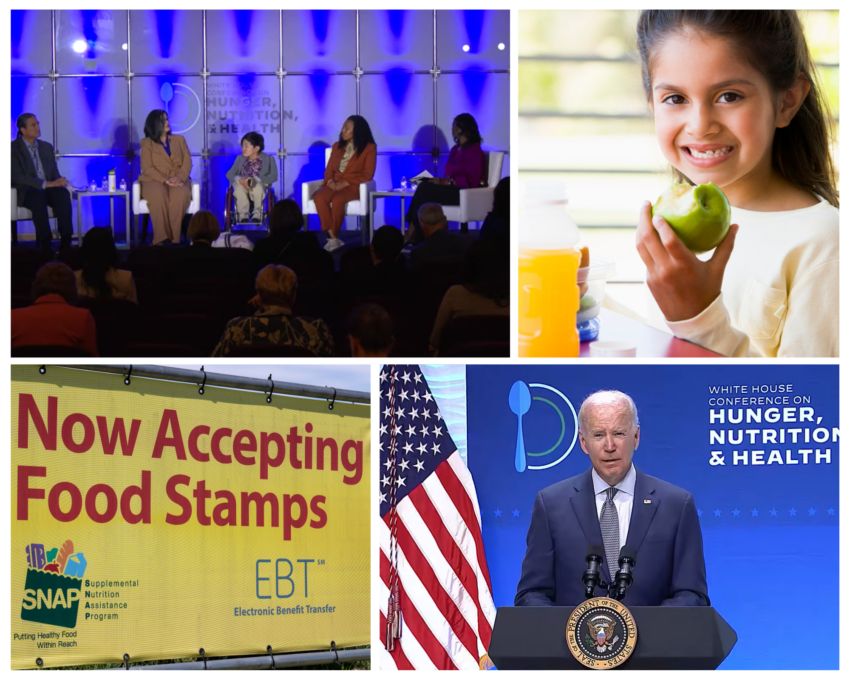
The Biden-Harris Administration announced its goal to eliminate hunger in America, improve diet and physical activity, and reduce diet-related disease by 2030 during the White House Conference on Hunger, Nutrition, and Health on Sept. 28, 2022 – the first such conference in over 50 years. The goal is based on five pillars of strategic action: Improve food access and affordability.
Integrate nutrition and health.
Empower all consumers to make and have access to healthy choices.
Support physical activity for all.
Enhance nutrition and food security research. President Joe Biden also shared three foundational principles for the goal. “Help more Americans access the food that will keep their families nourished and healthy, lot of food deserts out there. Second, ...
Everything is bigger in Texas – except wages, worker protections, and the right to organize, according to a recent study by Oxfam, an organization dedicated to fighting poverty and injustices. After analyzing each state’s wage policies, worker protections, and the right to organize, Texas ranked 48th out of 52 (including Washington D.C. and Puerto Rico) in Oxfam’s “Best States to Work Index.” In comparison, Oregon, California, and Washington placed first, second, and third, respectively. What does this mean for Latinos, who make up 40.2% of Texas’ population? First, let’s take a closer look at Oxfam’s study.
Wage Policies
Oxfam’s evaluation criteria for this category included the ratio of the state minimum wage to the cost of living for a family of four, ...
By Dr. Fátima Coronado
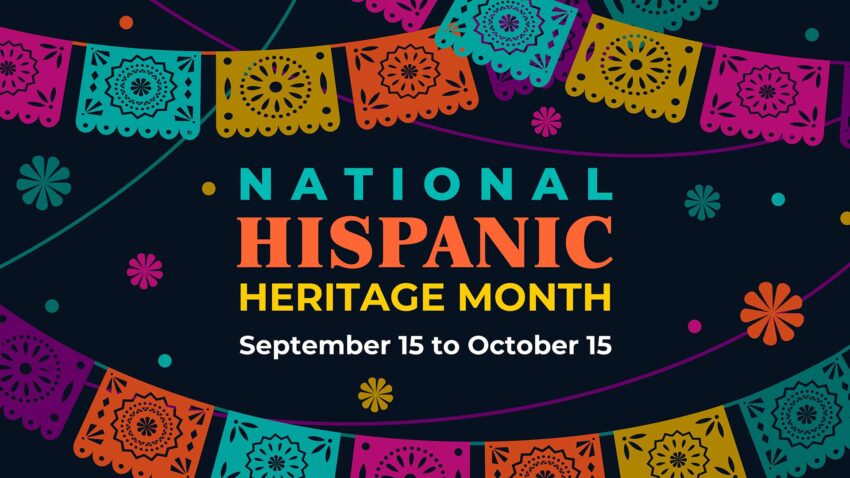
CDC, Salud America! Guest Blogger Every year, the United States recognizes National Hispanic Heritage Month (NHHM) from September 15 to October 15, to celebrate the histories, cultures, and contributions of generations of Hispanic Americans born in and outside the U.S., who have helped to shape this diverse country. The theme for this year’s NHHM is Unidos: Inclusivity for a Stronger Nation. In Hispanic culture, unidos (in unity, with inclusivity) is associated with positive outcomes. Being unidos is necessary for getting through tough times, for meeting goals and getting things done together. NHHM provides an opportunity to acknowledge that while many health indicators have improved for most people in the U.S., significant disparities in health and ...
Thanks to vaccinations, antibiotics, and medical treatment, death from infectious disease has declined drastically among children in high-income countries. But violent death is a serious threat to children in the United States. Here, guns and traffic crashes are the top killers of youth aged 1-19. Worse, these violent child deaths have increased in recent years. We can’t explain away all traffic crashes on individual behavior. We also can’t explain away all firearm incidents on individual behavior. These are systemic problems that require systemic solutions. Salud America! is exploring the scope of violent child death as part of its four-part series on public health approaches to addressing child deaths from guns and traffic crashes.
The State of Child Traffic ...