The U.S. Latino population has risen to 62,647,044, representing 18.9% of the nation’s population, according to new Census Bureau estimates. The number of Latinos in the U.S. grew by 767,907 from 2020 to 2021, an increase of 1.2%, according to the newest data. Here is everything you need to know.
What Defines “Hispanic Origin” on the Census?
Individuals filling out the Census can choose between two ethnicities, “Hispanic or Latino” or “Not Hispanic or Latino” What defines being “Hispanic or Latino” when filling out the Census? According to the Census website, the U.S. Office of Management and Budget (OMB) defines "Hispanic or Latino" as a person of Cuban, Mexican, Puerto Rican, South or Central American, or other Spanish culture or origin regardless of ...
Throughout the COVID-19 pandemic, many schools had the flexibility to offer school meals free to all public-school students. Now, some of this flexibility is expiring and many schools can only serve free meals to certain students starting this 2022-2023 school year, according to the USDA. “As we all get through this change, we ask everyone to be patient with school nutrition professionals and thank them for working to help children during such a tough time. The [USDA] and the Biden-Harris Administration fully support the school leaders and school meal heroes running the school meals programs,” according to the USDA. For Latino students, whose families often face wage gaps and nutrition insecurity, these changes could have a significant impact. Here is what these recent ...
Youth are facing a mental health crisis that is so widespread that U.S. Surgeon General Dr. Vivek H. Murthy has issued a new advisory calling it an “urgent public health issue.” That is especially true for Latino youth. But why? Let’s explore the mental health challenges impacting Latino youth, and how we can make a difference for these children and teens.
1. Latino Youth Struggle with Suicide and Depression
Depression is the most debilitating health issue in the Latino community, NoStigmas reports. Around 17.7% of Latinos suffer from depression during their lifetimes. Only 7.2% of Latinos are diagnosed with depression compared to white Americans. In addition, suicide is the 12th-leading cause of death for both Latino and non-Latino people of all races. 8.6% ...
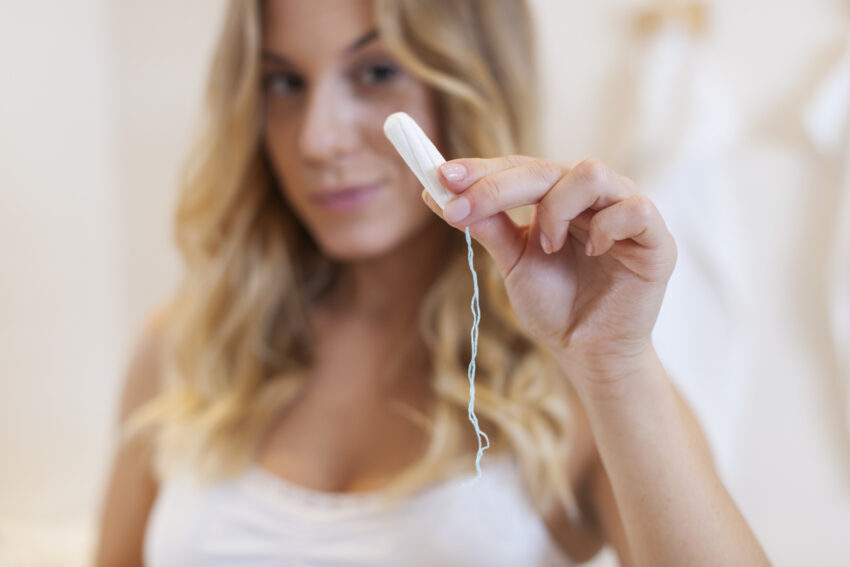
Amid the baby formula shortage, American women are now facing a tampon shortage. The shortage has resulted in a 10% price increase in the last year, with some retailers price gouging as high as $114 for one box of 18 tampons. The shortage stems from the economic challenges of the COVID-19 pandemic, including a shortage of raw materials and labor. As some women frustratingly scour multiple stores to buy menstrual hygiene products, others fall deeper into period poverty.
The High Cost of Menstruating
While menstruating women nationwide are affected by this shortage, low-income women, such as Latinas, are hit particularly hard as they already face disproportionate health inequities, including a lack of access to healthy food, affordable housing, and childcare. Nearly 22 ...
Big news for Latino parents – the Moderna and the Pfizer-BioNTech COVID-19 vaccines have been authorized for children between ages 6 months and 5 years. The CDC now recommends everyone 6 months or older to get vaccinated against COVID-19. Those 5 years of age and older are also recommended to get a COVID-19 vaccine booster, if eligible. “Many parents, caregivers and clinicians have been waiting for a vaccine for younger children and this action will help protect those down to 6 months of age. As we have seen with older age groups, we expect that the vaccines for younger children will provide protection from the most severe outcomes of COVID-19, such as hospitalization and death,” said FDA Commissioner Dr. Robert M. Califf in a press release. With this recent update, it ...
Clinical trials are responsible for many of today’s life-saving procedures and treatments. But finding and enrolling in clinical trials can be difficult process, especially for Latinos who may experience language barriers or lack of information. In response to these challenges, the National Heart, Lung, and Blood Institute (NHLBI) recently updated their search engine to better help patients find and enroll in an NHBLI-sponsored clinical trial. Available in Spanish, interested participants can now browse for clinical trials by age group, condition, and location. The search engine also includes an overview of how clinical trials work, who can participate, and benefits, risks, and safety measures of trials. Diseases and conditions studied in NHBLI-sponsored clinical trials ...
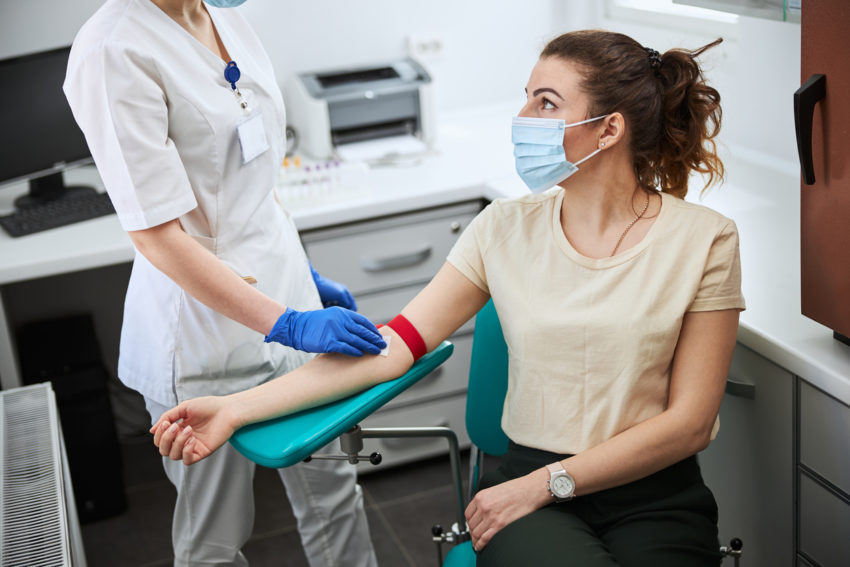
Ever heard of donating biospecimens for research? When a person donates biospecimens—blood, fluid, or tissue samples—it gives researchers the opportunity to better understand, treat, and prevent medical conditions from cancer to Alzheimer's. Biospecimens are especially needed from Latinos, who suffer health disparities. "Latinos who donate biospecimens are heroes. Their contributions enable researchers to make medical discoveries and build new therapies to help millions of Latinos across the nation," said Dr. Amelie G. Ramirez, leader of the Salud America! Latino health equity program at the Institute for Health Promotion Research in the Department of Population Health Sciences at UT Health San Antonio.
What are Biospecimens?
Biospecimens are materials from the human ...
Cuando una persona dona muestras biológicas o biospecímenes—sangre, líquido, o muestras de tejido—le da a los investigadores la oportunidad de entender, tratar y prevenir de una mejor manera, condiciones médicas desde el cáncer hasta el Alzheimer. Se necesitan de manera especial muestras biológicas de latinos, quienes sufren disparidades de salud. “Los latinos que donan muestras biológicas son héroes. Sus contribuciones permiten a los investigadores hacer descubrimientos médicos y crear terapias nuevas para ayudar a millones de latinos en todo el país”, dijo la Dra. Amelie G. Ramirez, líder de Salud America! programa latino de equidad en salud del Institute for Health Promotion Research en el Department of Population Health Sciences, de UT Health San ...
A respirator keeps you from breathing in particles in the air that might hurt you, like germs, dust, and chemicals. In healthcare, we use respirators when we think we’re going to be in a situation when we could breathe in air that’s carrying infectious particles – like viruses.
Air-Purifying Respirators
There are different types of respirators available in healthcare. Air-purifying respirators work by using filters, or canisters or cartridges, to remove dangerous things from the air that you could breathe in. There are many types of air-purifying respirators. Healthcare workers often use a filtering facepiece respirator (FFR), which fit snugly against the face and cover the mouth and nose. The most common type of FFR used in healthcare is the N95 respirator – more ...