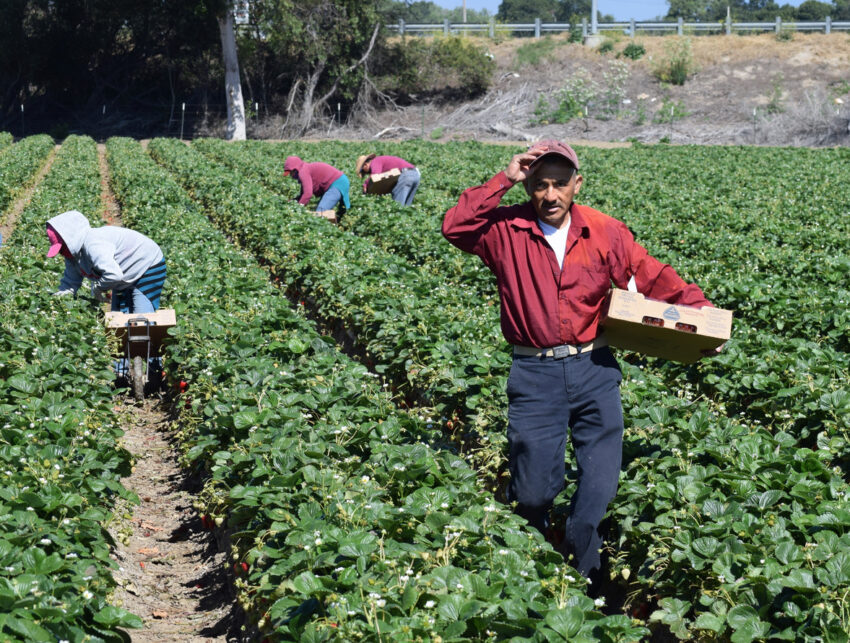
Rural Latinos and farmworkers in the US are disproportionately exposed to nitrate-contaminated drinking water. This health disparity stems from a larger issue of Latinos generally having less access to clean, safe drinking water in the US. Join us as Salud America! explores this rising health disparity through a three-part series on Latino drinking water contamination. Today we will tackle what nitrates are, how prevalent they are in Latino drinking water, and emerging efforts to promote safer water for Latinos and all people. Part 2 will address drinking water contamination at Superfund sites, its impact on Latinos, and current efforts to promote safer drinking water in these areas. Part 3 will focus on water insecurity in colonias and the US/Mexico border, and how we ...
As COVID-19 proved, germs, including bacteria and viruses, can spread quickly. The goal of infection prevention and control is to keep people from getting sick. This is why the CDC launched Project Firstline, a training and education collaborative designed to ensure all healthcare workers, no matter their role or educational background, have the infection prevention and control knowledge and understanding they need and deserve to protect themselves, their patients, and their coworkers. Project Firstline is working with National Hispanic Medical Association and Salud America! at UT Health San Antonio to promote infection prevention and control in healthcare settings. “The goal of CDC’s infection control recommendations is to protect you and everyone in the healthcare ...
Por Tatiana Holanda
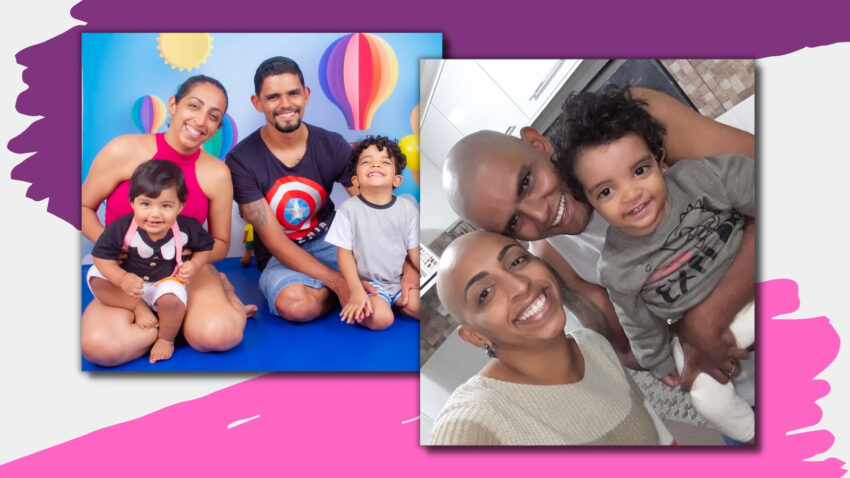
Sobreviviente de cáncer brasileña en San Antonio No veo al cáncer como un oponente "Lo veo como un maestro". Esa es la frase que resume mi historia. A la edad de 33 años, luego de los exámenes, se detectó un bulto en la mama izquierda de 2 cm, en el examen de ultrasonido se clasificó como Birads 4 con indicación de biopsia. En junio de 2019, con el resultado en la mano, se confirmó que tenía cáncer de mama triple negativo. Al principio, desesperación, luego angustia y ansiedad. Hubo 40 días de espera entre el diagnóstico y el inicio del tratamiento. Tuve que sacar fuerzas de algún lado, en ese momento mi hijo Rafael tenía 1 año. Cuando descubrí la enfermedad, pensé: tanto le pedí a Dios un hijo y ¿qué voy a hacer ahora frente al ...
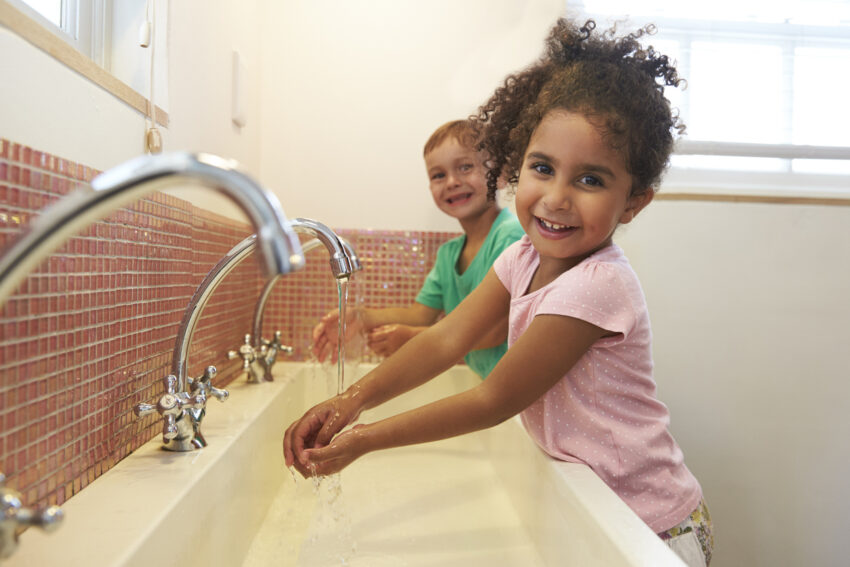
Teachers and administrators play a large role in keeping kids clean and healthy at school. However, it’s also up to caregivers to teach healthy hygiene habits at home. That’s why the U.S. Centers for Disease Control and Prevention (CDC) and the CDC Foundation created the Clean Hands and Spaces online bilingual training (in English and in Spanish) for teachers, administrators, and staff in schools and Head Start centers. Learn how teachers can work together with caregivers to keep kids clean and healthy.
What Is the Clean Hands and Spaces Training?
Clean Hands and Spaces is an online bilingual training that aims to help K-12 school and early childhood education (ECE) staff learn how to best encourage good hygiene practices in their educational settings. The training ...
Keeping kids clean and healthy at school can be a challenge. Not only do you need to consider how and when to clean an educational environment, but also make sure that cleaning supplies are safely marked and stored. That’s why the U.S. Centers for Disease Control and Prevention (CDC) and the CDC Foundation created the Clean Hands and Spaces online bilingual training (in English and in Spanish) for teachers, administrators, and staff in schools and Head Start centers. Learn how to create a hygiene plan to help children in an educational environment.
What Is the Clean Hands and Spaces Training?
Clean Hands and Spaces is an online bilingual training that aims to help K-12 school and early childhood education (ECE) staff learn how to best encourage good hygiene practices in their ...
Infection prevention and control are the actions we take in health care to keep people from getting sick. How does that tie into health equity and better health outcomes for all people? Let’s learn from the experts on the American Medical Association’s (AMA) podcast, Stories of Care, part of its partnership with Project Firstline of the U.S. Centers for Disease Control and Prevention (CDC). CDC’s Project Firstline is an infection control training and education collaborative designed to ensure all healthcare workers, no matter their role or educational background, have the infection control knowledge and understanding they need and deserve to protect themselves, their patients, and their coworkers.
What is Stories of Care?
Stories of Care is a CDC Project Firstline podcast ...
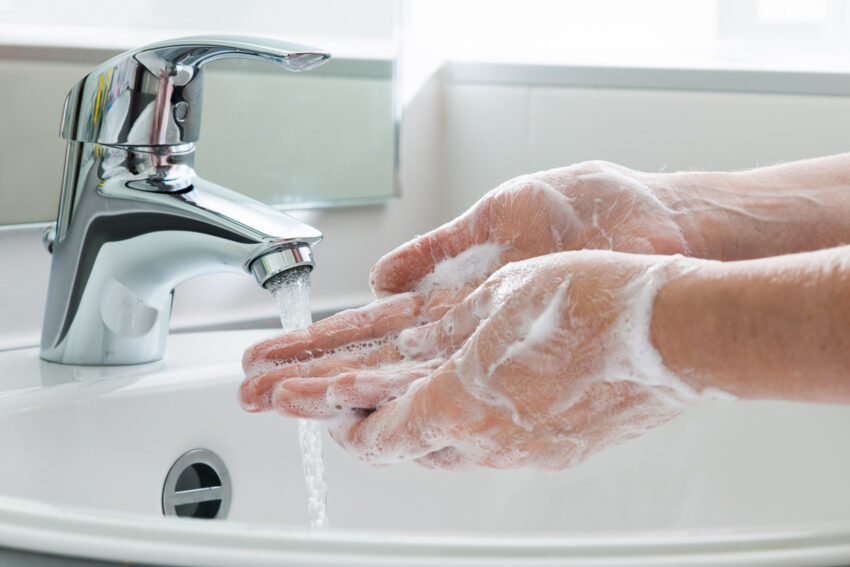
You often hear that good hand hygiene is about cleaning your hands regularly. But there’s more to it than that. Good hand hygiene means having a hygiene plan, having the right materials, knowing how to implement hygiene among different audiences, and much more. That’s why the Centers for Disease Control and Prevention (CDC) and the CDC Foundation created the Clean Hands and Spaces online bilingual training (in English and in Spanish) for teachers, administrators, and staff in schools. Learn how we can create good hand hygiene and why it matters for schools.
What Is the Clean Hands and Spaces Training?
Clean Hands and Spaces is an online bilingual training that aims to help K-12 school and ECE staff learn how to best encourage good hygiene practices in their educational ...
We know germs can cause illnesses. We also know that frontline healthcare workers can take action to protect themselves, their colleagues, and their patients from infectious disease threats. Cleaning and disinfecting are two of these important actions for infection control. A fundamental part of this process is “contact time.” This is the amount of time a disinfectant must sit on a surface, without being wiped away or disturbed. Contact time allows the disinfectant to do its job: Killing germs. “There are a lot of germs in healthcare. That's no surprise to any of us,” said Dr. Abigail Carlson, an infectious diseases physician with the U.S. Centers for Disease Control and Prevention (CDC), as part of CDC Project Firstline’s Inside Infection Control video ...
March is Colorectal Cancer Awareness Month. This cancer can affect anyone, but older Latinos may be particularly at risk. Know the facts about colorectal cancer, tips for screening and preventions, and how we can help researchers studying cancer.
What Should I Know About Colorectal Cancer?
Colorectal cancer is the disease of the colon and/or rectum. “Most cases of colorectal cancer occur in people ages 45 and older, but the disease is increasingly affecting younger people. Each year, about 150,000 Americans are diagnosed with this disease and more than 50,000 die,” according to the Colorectal Cancer Alliance. Many people in the early stages of colorectal cancer do not experience symptoms. However, symptoms might develop later on in the disease. Mayo Clinic lists ...