By Roxy Harrison
Breast Cancer Survivor in San Antonio My name is Roxy Harrison and these are my miracle stories. My diagnosis story of both breast and ovarian cancer are a miracle! I noticed some discolouration under my right breast. I ignored it for a couple of months. It wouldn’t hurt but sometimes it would itch. I showed it to my primary care doctor. She said it’s probably just a heat rash, but if you’re concerned you can get a mammogram done. I was 37 so I wasn’t too worried. I did the mammogram, which I refer to as making pancakes. They call me back 2 weeks later that they want to do another one to compare. Why they would think something could change in 2 weeks is beyond me, but no problem. I do another one. Then they wanted me to do an ...
As the COVID-19 pandemic continues to spread, public health experts are focusing on addressing concerns with vaccine efficacy and safety for those who remain hesitant. That’s why the Societal Experts Action Network (SEAN) of the National Academies of Sciences, Engineering, and Medicine has put together a toolkit of communication strategies for people who are unsure about the vaccine, parents who are thinking of vaccinating their children, and strategies for engaging with specific communities, such as Latinos. “In a rapidly evolving situation, where new evidence is continually emerging, state and local decision makers must be ready to frequently adjust and adapt their communication and messaging strategies to meet public needs,” write the authors of the toolkit, Emily Brunson, ...
In the last 30 years, maternal health disparities have increased for women of color, according to a new report by the US Commission on Civil Rights. For example, There are 10.3 deaths per 100,000 for Latina women. For white women there are only 6 deaths per 100,000. Moreover, Black women are 3 to 4 times more likely to die than their white peers from pregnancy-related complications. The report also illustrates how government, especially federal government, can play a critical role in changing this fact, according to Norma V. Cantú, chair of the U.S. Commission on Civil Rights. “[At the federal level] efforts can be made to improve hospital quality, particularly for women of color if maternal health disparities are to be eliminated,” Cantú said. “Improvements in safety ...
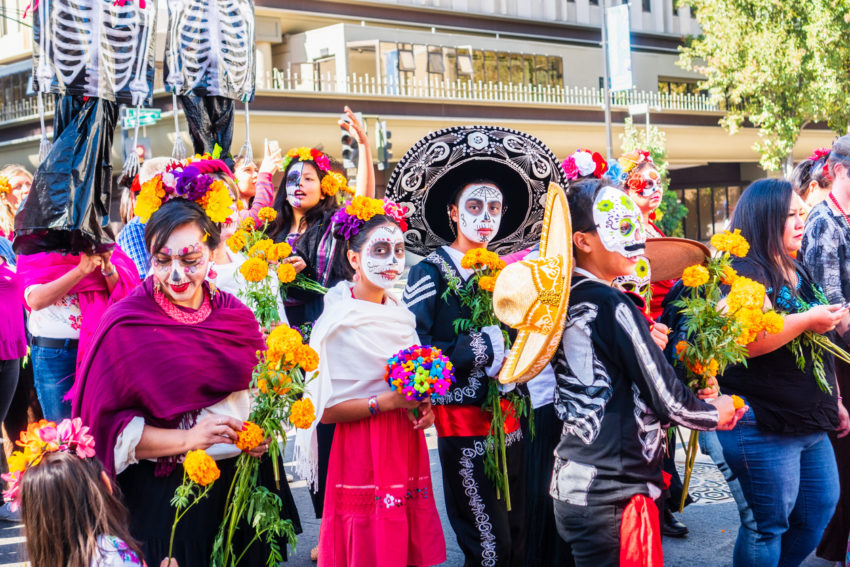
Día de los Muertos, also known as Day of the Dead, is a lively annual Mexican holiday that celebrates friends and family members who have passed away. Characterized by vibrant parades, singing, traditional dress and costumes, and altar building, Día de los Muertos brings unity between the living and returning spirits. “This indigenous holiday from Mexico celebrates the loving connection between the living and our departed loved ones that is so deeply missing in Western culture,” said Aya de Leon, a Puerto Rican novelist and Berkley professor, as reported by San Antonio Express News. For Día de los Muertos, our team at Salud America! is honored to remember the loved ones we’ve lost from COVID-19 and other conditions, and protect the health of our living familia.
1. ...
California can no longer punish cities for enacting sugary drink taxes, as per an October 2021 court ruling that declared the penalty provision of the state’s Keep Groceries Affordable Act of 2018 unconstitutional. The lawsuit was filed in 2020 by Cultiva La Salud and supported by ChangeLab Solutions and the American Heart Association. The implications of the ruling are widespread throughout the state. Charter cities, which include many of the largest cities in the state, can consider taxes that aim to reduce purchases of sugary drinks and help community nutrition with the revenue without the fear of punishment. Before this, the state could penalize a charter city that enacted a tax on sugary drinks by depriving the city of its sales tax revenues. Sales taxes often account for ...
Annually, CDC researchers compile and analyze data to predict the number of deaths that will occur in the coming year. The number of mortalities that go over this initial estimate, or “the difference between the observed numbers of deaths in specific time periods and expected numbers of deaths in the same time periods,” are known as excess deaths. Looking at deaths in 2020 compared with predicted deaths, researchers found that U.S. Latinos suffered double the excess deaths per 100,000 people than their white peers. “There were profound racial/ethnic disparities in excess deaths in the United States in 2020 during the COVID-19 pandemic, resulting in rapid increases in racial/ethnic disparities in all-cause mortality between 2019 and 2020,” according to an October 2021 ...
Hip hop artist Chuck D, one of the founding members of Public Enemy, once urged people of color to “Fight the Power.” Now he’s urging them to fight cancer. Chuck D wants people to “check your behind” and get screened for colon cancer as part of a new public service announcement (PSA) from Stand Up to Cancer / Unidos Contra El Cancer, a charitable fundraiser for cancer research. DJ and poet Pete Colon sings the same musical message in a Spanish-language PSA. In another PSA video, actress Uzo Abuda urges people of color to join clinical trials. “Hip-hop has a powerful voice and we’re using it to help make the community better, to try to get people to pay attention, to stay healthy and to catch things early instead of reading about it when it’s too late,” said ...
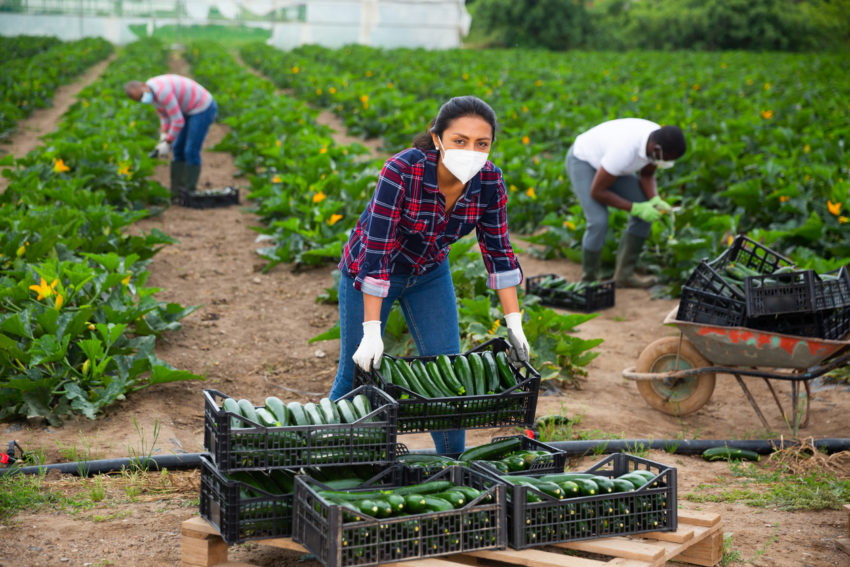
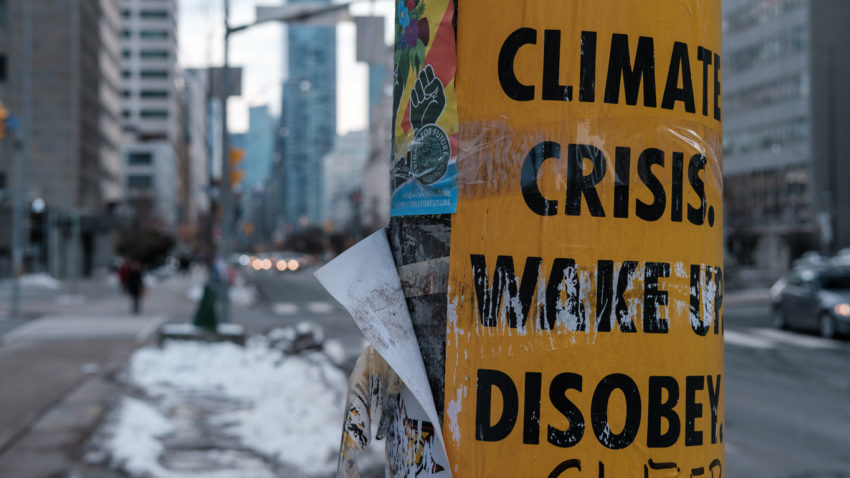
Climate change is an ongoing environmental dilemma that threatens the health of all people. Yet, research has shown that certain groups, such as Latinos and other people of color, immigrants, those with a lower socio-economic status, and vulnerable occupational groups are most likely to suffer longer and more severely from climate change. “The effects of climate change add to other longstanding differences among people that result in different health outcomes for communities in the United States,” reported the U.S. Department of Health & Human Services.
What Is Climate Change?
Climate change is defined as a long-term shift in global or regional climate patterns. Long-term alterations in temperature or the typical weather patterns of a certain location can lead to ...
One in six U.S. youth have obesity, but the issue is worse among Latinos and other youth of color, according to a new report from the Robert Wood Johnson Foundation (RWJF). More than one in five Latino (21.4%), Black (23.8%), and American Indian/Alaska Native (28.7%) children ages 10-17 have obesity. The reasons? Structural racism and systemic health inequities. Racist policies and discriminatory practices affect our food system, access to healthcare, affordable housing, and critical family supports like childcare, the RWJF report says. Together, the effects of these policies and practices force families into hard choices on how to spend limited resources, especially during COVID-19. “The state of childhood obesity in America is an urgent call to action for leaders at all ...