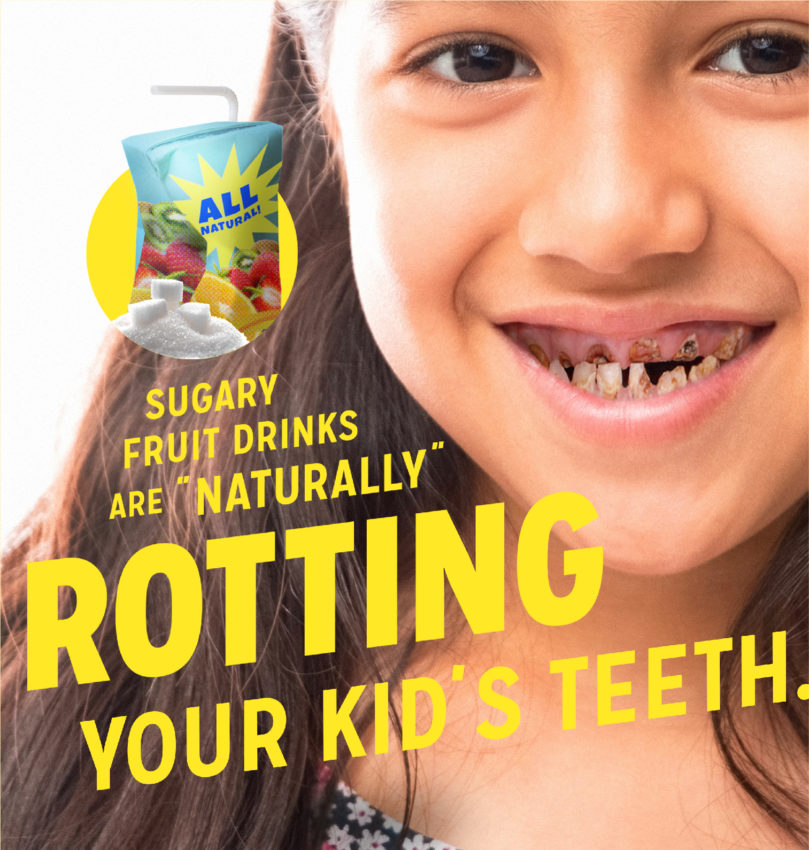
Young Latino kids drink too many sugary fruit drinks. Unfortunately, sugary fruit drinks that claim to be natural are often just fruit-flavored beverages that have added sugar and are just as unhealthy as soda. This is a contributing factor to the high rates of obesity, diabetes, high blood pressure, and cardiovascular issues that Latino kids often face. That’s why there’s a new toolkit called “The Truth About Fruit Drinks” from researchers at the University of Washington, University of Pennsylvania, and Interlex Communications with support from Healthy Eating Research and the Arcora Foundation. “This toolkit contains an evidence-based social media messaging campaign for countering beverage industry marketing and decreasing the purchase of fruit drinks by Latino ...
Background plays a significant role in determining home energy use, emissions, and cost burden, according to a study by the University of Michigan and McGill University. Majority-White neighborhoods had the highest per-capita emissions, researchers found. In African-American neighborhoods, emissions were 90% of those in White neighborhoods. Latino neighborhoods had the lowest per capita emissions, at only 60% of White neighborhoods. Yet overlooked communities have higher energy rates than what they produce, adding yet another difference that harms health outcomes among this population and other populations, according to study co-author Tony Reames of the University of Michigan. “People that are struggling financially and then have high energy burdens are forced ...
Latino immigrant families experience greater threats from a negative immigration climate that can lead to increased anxiety for children and difficulty paying attention in school, according to a new study from the American Psychological Association (APA). “We found substantial variability in perceived immigration threat, with immigrant parents and Latino parents reporting significantly greater levels of immigration threat compared to nonimmigrant parents and non-Latino parents,” according to APA. Heightened anxiety and other negative mental health issues can greatly affect Latino children in their development. Let’s explore the impact of anti-immigrant rhetoric on Latino kids and what steps we can take to support Latino youth mental health.
What Does the APA Report Say ...
As the Pfizer-BioNTech, Moderna, and Johnson & Johnson COVID-19 vaccines continue to be distributed across the country, several states are reporting the demographic makeup of their vaccine distribution numbers. Initially, Latinos made up a very low percentage of those getting a vaccine, despite being hurt more by COVID-19. However, in the summer and fall of 2021, more and more Latinos got vaccinated, according to data from the Kaiser Family Foundation. Still, inconsistencies for Latinos persist in different states. Differences in education level, political affiliation, and health insurance also add to the vaccine gap. As some states begin to release data on booster shots, data shows that Latinos are getting boosted at lower rates compared to other groups. Let’s take a ...
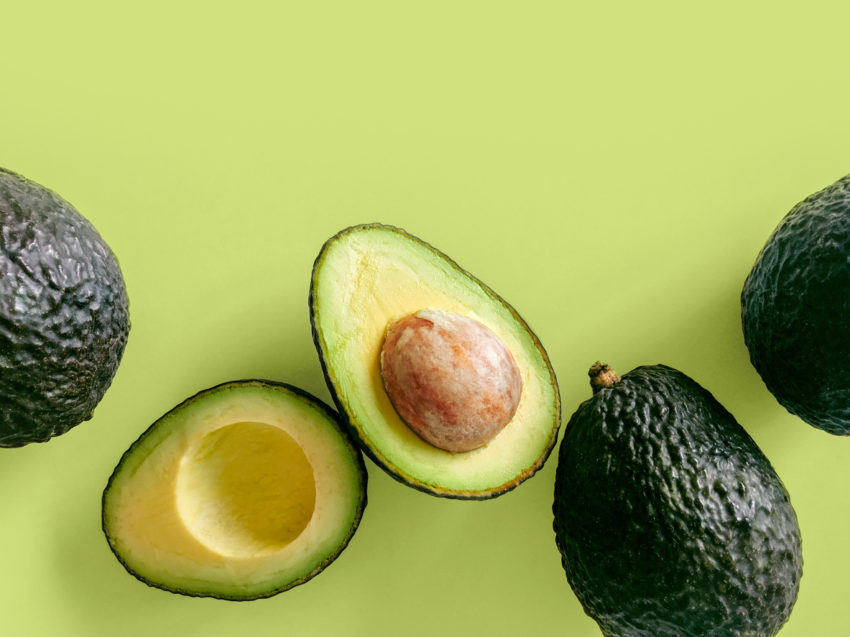
Avocados are a key part of a nutritious diet for Latino families, according to new research from the University of California San Diego School of Medicine and the Herbert Wertheim School of Public Health and Human Longevity Science. Researchers compared Latinos families who consumed a few avocados (three per week) and families who consumed a lot of avocados (14 per week) along with a standard nutrition intervention over six months. Latino families who ate more avocados reported consuming fewer calories, saturated fats, and sodium, which are major contributors to obesity among Latinos. They also had healthier hearts in terms of structure and function “Recent trials have focused on individuals, primarily adults, and limited to changes in cardiometabolic disease blood markers. ...
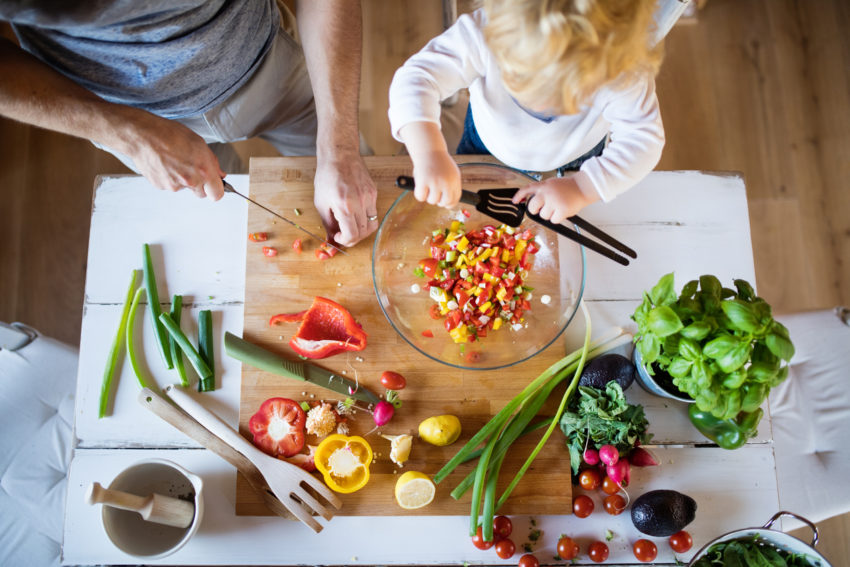
Childhood is critical for building healthy eating behaviors that can help your child grow and prevent chronic diseases. That’s why Healthy Eating Research (HER) has developed new guidelines that can help parents decide not only what to feed young kids aged 2 to 8, but how to feed them and introduce lifelong healthy habits. These guidelines apply to all parents, but it can be particularly helpful to Latino parents, as Latino kids are more likely to develop chronic health issues like high blood pressure and obesity and are often in schools with few healthy options.
How Should You Encourage Kids to Try New Foods?
To create these guidelines, HER gathered a national panel of 15 experts in child development and nutrition. They developed strategies to help parents get their children ...
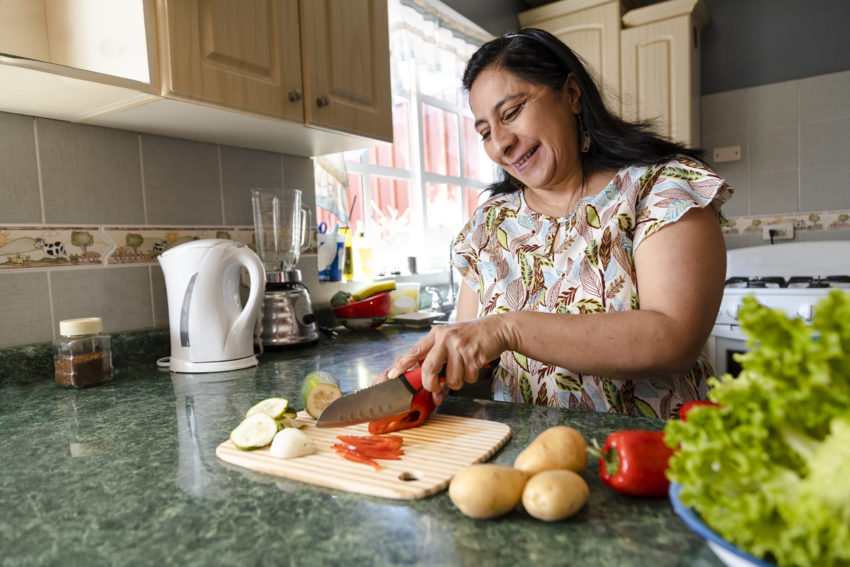
New data from the American Heart Association shows that Latinos who eat healthily have healthier hearts. This research shows that Latinos who followed a healthy dietary plan had healthier hearts in terms of structure and function. “Healthy diet quality is an important and vital tool in the prevention of heart disease,” said lead study author David Flomenbaum, a medical student at the Albert Einstein College of Medicine in New York City. “Many of our results correspond to current knowledge about diet quality and cardiovascular health.”
The Study and Its Findings on Healthy Eating and Heart Health Researchers evaluated over 1,800 participants in the “Echocardiographic Study of Latinos” ancillary study. With this, they compared adherence to two popular healthy ...
A wage gap between Latino and white workers is a large factor in preventing economic mobility for Latinos, according to a new study by McKinsey & Co. The gap is particularly large for Latino immigrants, who are paid far less in the same job categories as other workers. “The median wage for foreign-born Hispanics is $31,700 compared to $38,848 for those born in the U.S. For non-Latino white workers, the number goes up to $52,942,” according to NBC Latino. With low wages and fewer opportunities for fields that offer career growth, Latinos are at a disadvantage and are more likely to struggle to meet basic needs like housing, food, healthcare, and more. This, in turn, heightens their risk for disease and poor health outcomes. Let’s learn how low wages and other barriers ...
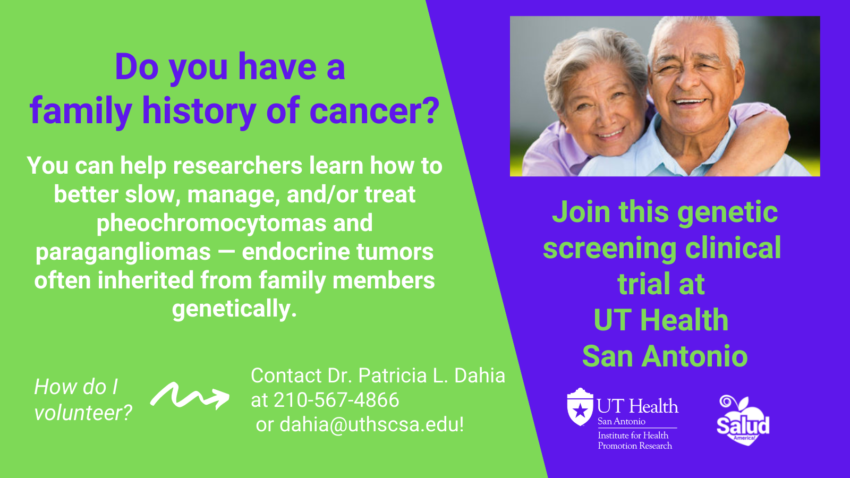
While some cancers develop through unhealthy habits like smoking, others happen through genetics. Clinical trials with volunteers who have a family history of cancer can help researchers learn how to better slow, manage, and/or treat these diseases. This can help save the lives of people whose family experiences cancer generationally. If you have a family history of cancer, you can join a clinical trial at UT Health San Antonio that is studying pheochromocytomas and paragangliomas — endocrine tumors often inherited from family members genetically. “A family history of endocrine tumors could mean you and your loved ones have a higher risk,” said Dr. Amelie Ramirez, director of the Institute for Health Promotion Research and the Salud America! program at UT Health San ...