We already know that artificial lighting and thermal comfort can influence health. Worse, these aspects of building design, such as indoor air quality, can trigger Toxicant-Induced Loss of Tolerance (TILT) — when chemical exposure brings about fatigue, headaches, and other ailments. Moving in the direction of wellness-centered architecture could have long-lasting impacts on public health and reduction of TILT, according to Dr. Claudia Miller, an environmental health professor and leader of the Hoffman TILT program at UT Health San Antonio. “Although buildings are where we spend more than 90% of our time, strategies to promote the health and well-being of the occupants are not always a major consideration during design,” Miller told the American Institute of Architects ...
Latinas and black women may face increased risks of developing triple-negative breast cancers (TNBC), according to a study published in Cancer. These forms are often aggressive and do not respond to hormone therapy or targeted therapy. These latest findings solidify known cancer development disparities, which continue to grow amongst Latinos, other racial/ethnic minority groups, and young women.
Breast Cancer Inequities Dr. Lia Scott, of the Georgia State University School of Public Health, and her team studied all available diagnosed breast cancer cases from 2010 to 2014 using the U.S. Cancer Statistics database. It consists of a population-based surveillance system of cancer registries with numbers representing 99% of the U.S. population. "With the advent and ...
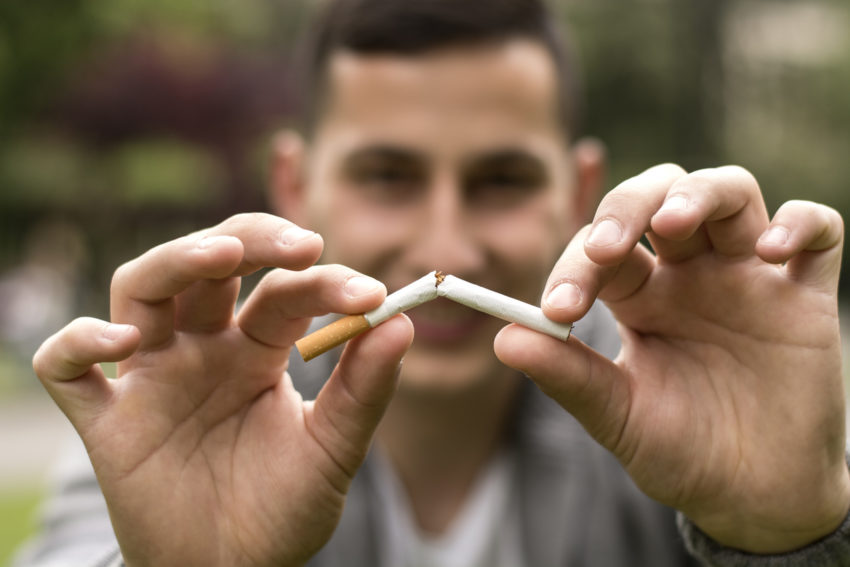
Lung cancer deaths are a whopping 28% lower in California than the rest of the nation. This is likely due to the state's early adoption of tobacco control programs, which are associated with a "major reduction in cigarette smoking" among people younger than 35, according to a recent study by UC San Diego. What California laws are working and why? How can you mimic them in your area? Find out in ChangeLab Solutions's new guide book, "Tobacco Laws Affecting California." The book explains existing California laws related to tobacco use, sales, and marketing, and new efforts like San Francisco's ban on e-cigs. "(The decline in smoking in California) can only be attributed to the success of tobacco control in this state which has been so effective in convincing young people not to ...
Some people like to keep their indoor temperature at a balanced 70 degrees; others feel most contented when in colder or warmer rooms. Either way, medical and construction experts know that thermal comfort can make significant impacts on health and energy use. Some internal bodily reactions, including mental function and eyesight, can react to the temperature that is present. Thermal comfort is definitely not something to overlook, according to CDC’s National Institute for Occupational Safety and Health (NIOSH). “The perception of thermal comfort is related to one’s metabolic heat production,” the agency states. “Heat transfer from the body to the environment is influenced by factors such as temperature, humidity, air movement, personal activities, and ...
Many people spend up to 90% of their time indoors, whether at the office, in a restaurant, or at home. The way architects, designers, and construction workers erect these buildings can impact human health — including the way light is disbursed. Medical professionals and those in charge of building these structures need to collaborate to create a culture of holistic health. Natural and artificial lighting make significant impacts on people’s sleep cycle, skin, and eyes, according to the European Union’s Scientific Committee. “There is a concern that the emission levels of some lamps could be harmful for the skin and the eyes,” the group states. “Both natural and artificial light can also disrupt the human body clock and the hormonal system, and this can cause health ...
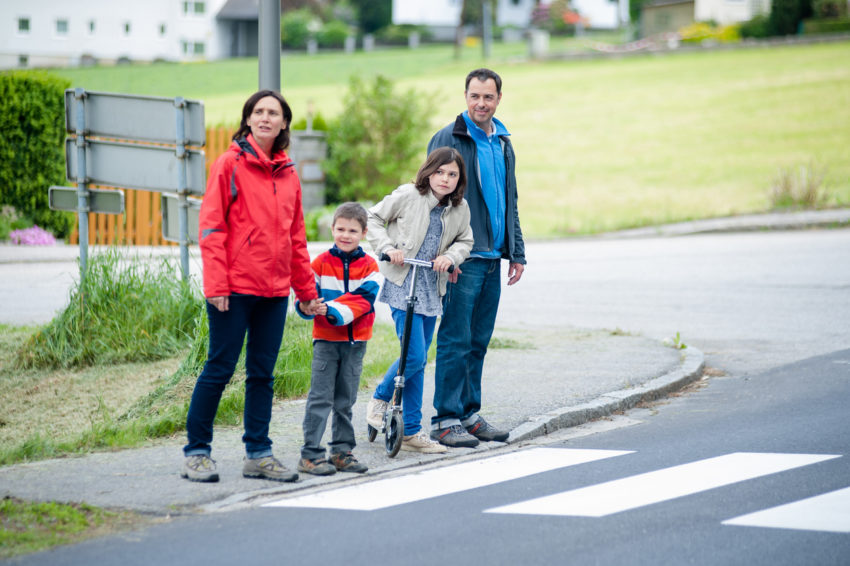
People in lower-income neighborhoods die while walking at much higher rates than those in better socio-economic areas. Why? Impoverished communities are significantly less likely to have sidewalks, marked crosswalks, and street design to support safer, slower speeds, according to Smart Growth America.
Dangerous Congressional Districts
Moreover, many communities have spent decades designing streets for speeding cars rather than prioritizing safety for walkers, bikers, and those taking transit. Since federal dollars and policies helped create these unsafe streets, Smart Growth America thinks that federal funds, policies, and guidance have a significant role in fixing existing and designing future streets. To urge guidance from elected representatives, Smart Growth America and ...
If you drink a lot of sugary drinks, you may have a higher risk of getting cancer, says a new study. While it didn't find a direct causal link, the large French study does suggest that limiting sugary drinks could cut cancer cases, according a Reuters report. The study has big implications for Latinos, who drink more sugary drinks than their peers. “This study adds to the science suggesting that it’s a good idea to limit sweetened beverage consumption,” Colleen Doyle, a nutrition expert at the American Cancer Society, told Yahoo! News.
What Did the Study Find?
Researchers at the Université Sorbonne Paris Cité followed 100,000 adults for five years. They examined consumption levels of sugary drinks, including soda and fruit juice. They analyzed this and risk for ...
Roughly 40 million Americans, or 12% of the population, are drinking federally unregulated water. The problem? These sources can contain harmful bacteria and chemicals, which can unknowingly infect those drinking from that water, according to ChangeLab Solutions. Latinos, who already struggle to access clean water, should be aware of the risks unregulated water pose. “Ensuring safe drinking water for all US residents is a crucial component of creating healthy, equitable communities across the nation,” ChangeLab writes. “These residents are more likely to be exposed to harmful bacteria or unsafe levels of nitrates and arsenic, which can lead to inequities and serious health consequences for families and entire communities.”
What are the Risks?
Jacqueline MacDonald ...
Although public transit is far safer than driving, the walk or bike to a transit stop can be hazardous. To grow transit ridership and increase the people-moving capacity of a roadway, it is critical to include active transportation as an integral element of all transit infrastructure and operations. That’s why The Centre for Active Transportation (TCAT), based in Toronto, recently released its new guidebook on that very subject. “Transit operates most effectively when planned and built in close connection to walking and cycling facilities,” the guidebook states. It highlights some of the most innovative policy strategies, implementation planning, infrastructure, and programming that transit agencies have been employed — seeking to better coordinate and improve active ...