Fertility rates in the U.S. are at an unusually low point — globally, research suggests that over the past 50 years, sperm counts have dropped by 50%. Environmental exposures in the home are harming men’s reproductive health and sperm counts, in addition to causing asthma attacks, allergic reactions, and Toxicant-Induced Loss of Tolerance (TILT), researchers say. Digesting microplastics─specifically diethylhexyl phthalate (DEHP), polychlorinated biphenyl 153 (PCB153), and bisphenol A (BPA)─showed notable effects on DNA fragmentation and sperm motility in various testing on male dogs and humans. “[This data is an] indicator that there is something very wrong in our modern environment or lifestyle,” Dr. Hagai Levine, head of the environmental health track at the Hebrew ...
It's clear that the country is going through a housing crisis, which is impacting Latinos and all Americans. In many communities, housing costs have outpaced local incomes — many cannot afford to live in major cities. It is a problem facing many local governments, including Atlanta (4.6% Latino). In 2017, that city was the third fastest-growing metropolitan region in the U.S. Over the past 19 years, Atlanta’s population has increased by 17%, or more than 486,000 people, according to the Atlanta Journal-Constitution. As our population grows, many of our long-term residents are experiencing challenges. The average rent in Atlanta is nearly $1,400 a month for a one-bedroom, according to Rent Café. However, the U.S. Census Bureau shows that over 20% of residents are making ...
By Brenda Garza
Austin, Texas, Cancer Survivor I moved to Detroit, Michigan, newlywed to an engineer, in 2003. Because we moved during December we didn’t do many outdoor activities or exercise something that we used to do in Mexico all the time. Gabe and I met at a spinning class and we became boyfriend and girlfriend after few dates. We both loved the outdoors. We were very excited about new opportunity and challenge to live in a new country but we definitely weren’t ready for such long, harsh winters in North America. But once spring and summer began, we were happy doing outdoor activities like cycling. Michigan has beautiful state parks, with water, hills, hiking trails, biking trails and green vegetation, something we didn’t have in Mexico. We soon learned to ...
From popcorn bags to pizza boxes, firefighting chemicals—that link to cancer development—contaminate food packages and seep into food. Per- and polyfluoroalkyl substance (PFAS) contamination is a wide-spread problem. Researchers have discovered their presence in products, water, and food. They are also severely impacting the U.S. military and families. Now PFAS in food packaging is an emerging threat, according to a recent report. “Since the chemicals can migrate into food, and contaminate landfills and compost after disposal, the use of PFAS to treat food packaging can lead to unnecessary long-term exposure to harmful chemicals," according to "Take Out Toxics: PFAS Chemicals in Food Packaging” by Safer Chemicals Healthy Families, Toxic-Free Future, and Mind the ...
New data suggests that Latinos who are food insecure are at a more significant risk of type 2 diabetes, according to a collaborative study. Researchers from UConn School of Medicine, UConn School of Dental Medicine, Yale School of Public Health, Quinnipiac University, Hartford Hospital, and the Hispanic Health Council studied the two factors and their correlation in low-income Latinos. "Our findings support the plausibility of links between food insecurity and poor health," Dr. Angela Bermúdez-Millán, assistant professor in the Department of Community Medicine and Health Care at UConn School of Medicine, said in a press release.
About the Study
The study, which was published in the Journal of Nutrition, shows that more than 40 million Americans, including 6.5 million children, ...
Walkable urban places correlate with economic, social equity, and environmental benefits, according to a new report. The new report, Foot Traffic Ahead 2019, ranks the amount and characteristics of walkable urban places in the 30 largest U.S. metropolitan areas. Unfortunately, just 0.04-1.2% of land in these cities counts as walkable urban places. The new report explores the reasons for this deficiency and outlines how cities can stimulate more walkable urbanism and its many benefits. “U.S. metros where the public and private sectors work together to adapt and deliver increased supply of walkable urban places will be the economic and social justice winners of the next generation,” according to the Foot Traffic Ahead report, released in June 2019 by Smart Growth ...
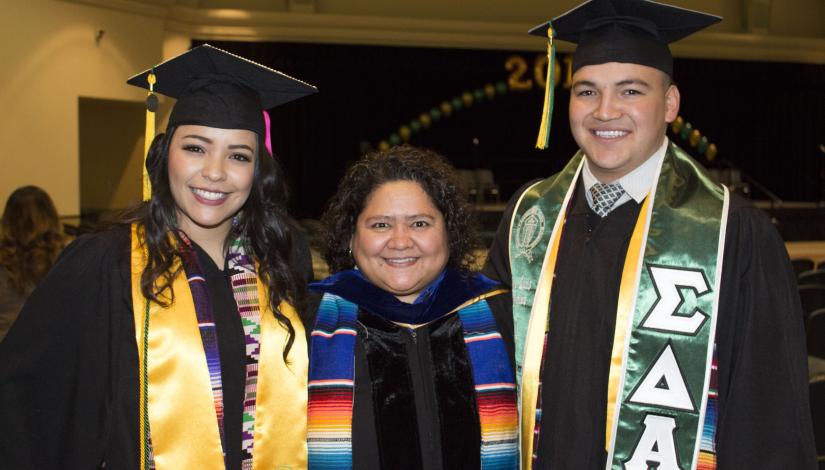
Nine U.S. colleges and universities have earned the first-ever Seal of Excelencia, a voluntary certification that recognizes a school's commitment and ability to help Latino students find success. The Seal of Excelencia, created by the nonprofit Latino education group Excelencia in Education, was awarded to: Arizona State University
Austin Community College (Texas)
California State University Channel Islands
El Paso Community College (Texas)
Florida International University
Grand Valley State University (Michigan)
South Texas College
University of Arizona
University of Texas El Paso "Institutions that strive for and most particularly those that earn the Seal, have demonstrated their capacity to grow our country’s highly-skilled workforce and develop ...
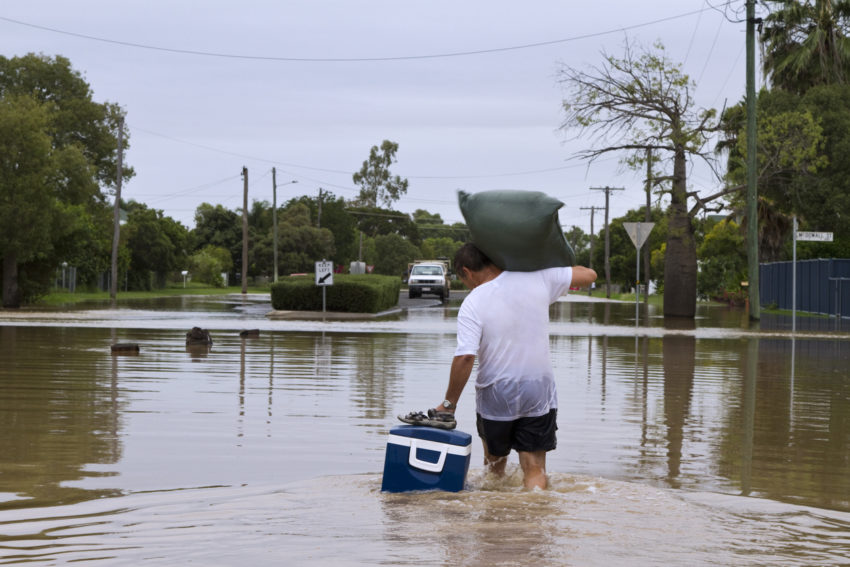
The impacts of climate change will significantly affect the lives of Latinos and all Americans — including drowning their cities. By 2100, 35 towns and cities in the U.S. could experience such extreme flooding that those places could become inhabitable, according to an in-depth news report published in USA Today from 24/7 Wallstreet. Latinos, who make up between 23% to 67.7% of the population in 10 of these areas, face substantial risks if climate-change trends continue. “The steady rise in global surface temperatures is largely attributed to human-caused greenhouse gas emissions,” writes report authors Michael B. Sauter and Thomas C. Frohlich. “With rising temperatures, the world’s ice has been melting and sea levels have been rising. As a result, barring major ...
A skin disease is harming the health of children — and causing them to fall behind in their education. Latino and black children are more likely than white children to miss school due to eczema, according to researchers are the University of Pennsylvania Perelman School of Medicine. "Most people don't realize the serious impact eczema can have on a person's life, and our research shows minorities may be disproportionately affected," said the study's senior author Dr. Junko Takeshita, assistant professor of dermatology and epidemiology, according to Penn Medicine News.
What is Eczema?
Eczema, or atopic dermatitis (AD), is a common inflammatory disease that causes red and itchy skin. It affects 30 million Americans, including up to 20% of all children, according to the ...