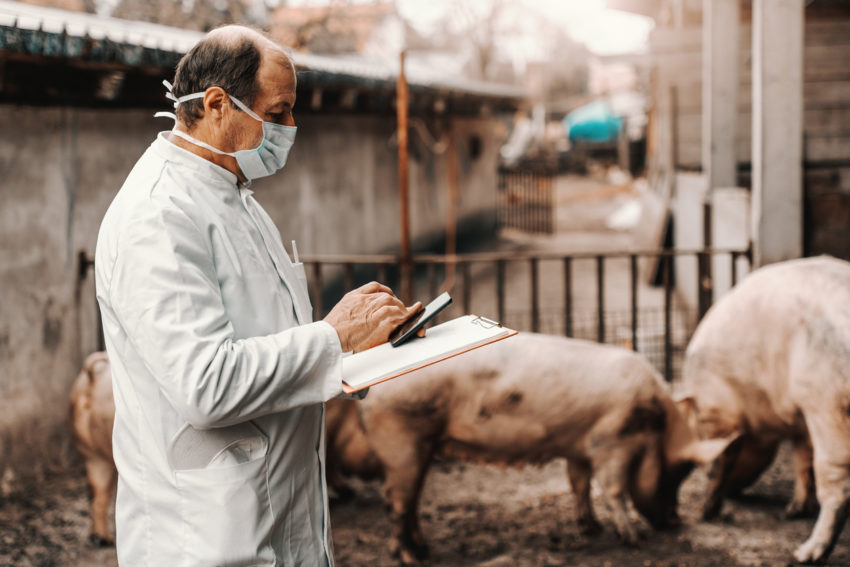
Our food systems affect our health in good and bad ways. For example, some of the most severe health impacts of food systems trace back to some of the core industrial food and farming practices. These include chemical-intensive agriculture, intensive livestock production, and mass production and marketing of processed foods. That is why the International Panel of Experts on Sustainable Food Systems (IPES Food) published a report to identify five ways our current food systems make us sick, seven challenges to understanding and addressing them, and five leverage points for building healthier food systems. Here are five ways our current food system makes us sick:
1. People Get Sick Because They Work in Unhealthy Conditions
Pesticides are responsible for an estimated 200,000 acute ...
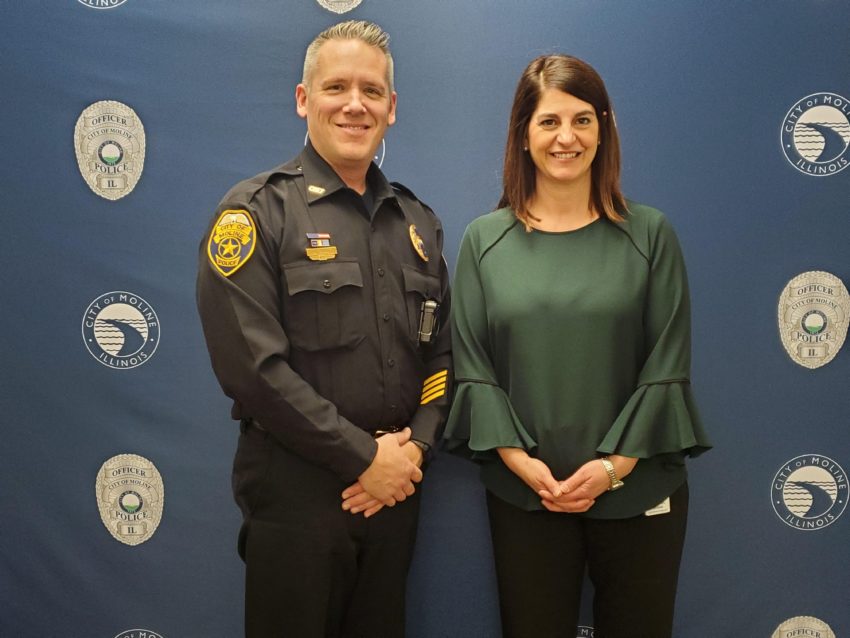
Police Chief Darren Gault believes kids deserve more support in avoiding risky behaviors. Gault knows when police officers interact positively with kids inside schools and out, they help kids stay in school and stay away from crime in Moline, Ill. (16.8% Latino). But officers already have so many unfunded mandates on their time. That is why Gault was so excited when he learned about the low-burden, no-cost “Handle With Care” program, which provides positive interactions for kids who experience traumatic events. Gault shared the program with Rachel Savage, superintendent of Moline-Coal Valley School District. Together, Gault and Savage—with help from a Salud America! Action Pack—are launching the Handle With Care.
People in Moline Face Stress, Violence
Gault and ...
Amid an obesity crisis and a coronavirus pandemic, Latinos and all people need more water, and less sugar. Do you agree? Speak up! Submit a model comment below to urge the 2020-2025 Dietary Guidelines for Americans to add water to the MyPlate/MiPlato graphic, reduce the amount of added sugars, and make healthier diets equitable for all people! Update 6/11/20: Over 55,000 people submitted comments!
Submit a Comment for Dietary Equity!
Nearly two of every three people in the United States live with at least one chronic disease like obesity and heart disease, according to the CDC. These are caused in part by poor diets. Unhealthy eating is now the top cause of premature death in the nation (https://salud.to/unhealthy-eating-death). Communities of color and low-income families ...
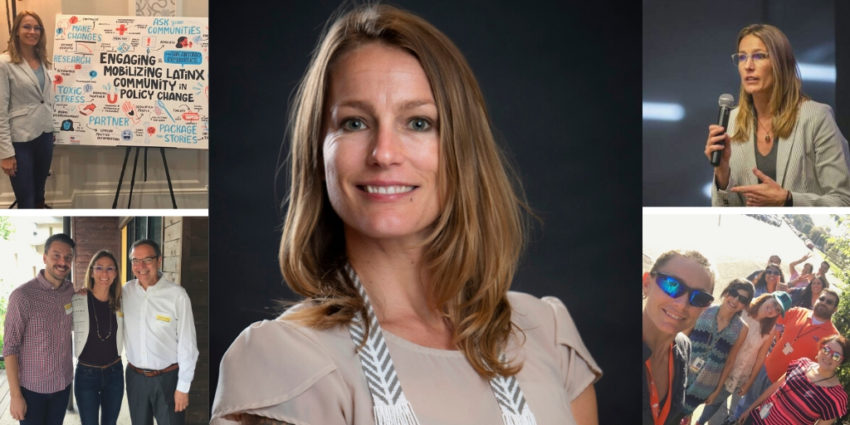
Amanda Merck isn’t only a content curator for Salud America! at UT Health San Antonio, a member of many health committees, and an urban planning student at the University of Illinois at Urbana-Champaign. She is also a fighter for equitable transportation, equitable access to parks, and an advocate for children who experience trauma. Merck is a poster child for civic engagement for health equity─and she is dedicating her time and career to help countless others become civically engaged, too.
Merck: ‘Never Any Talk about Civic Engagement’
Merck grew up in many different places including California, Texas, and Montana. As the daughter of a low-income, high-school dropout, working was meant to pay the bills. “There was never any talk about civic engagement nor ...
Do you know how roadways are graded? Most transportation indicators grade based on the level of motor vehicle traffic on a road, with little consideration for people walking, bike or taking transit, and vehicle travel. This leads planners to design car-focused roads that neglect transit and non-motorized travel, which is counterproductive to social, environmental, and health goals. Using level of service (LOS), for example, to assess road performance tends to expand roadways and increase vehicular speeds to benefit cars and trucks only. This ends up enabling more vehicle travel and reducing feasibility of walking, biking, and busing. That’s why five early-adopter cities in California transitioned away from a narrow focus on moving as many cars as fast as possible, to a more ...
You may be one of the 42.9 million people who got the flu last season. Perhaps you were among the over 645,000 people hospitalized due to the flu. Or maybe you even knew one of the 61,200 people who died from flu-related causes, according to CDC estimates. Today, health experts are bracing for the next flu season. Flu activity in the U.S. begins around October and runs through May, so now is the time to get your flu shot! “We know it isn’t perfect, but we need to emphasize the importance of partial protection,” says Dr. William Schaffner, director of the National Foundation for Infectious Diseases. “If you get the shot and you still get the flu, you are less likely to get pneumonia, less likely to be hospitalized and less likely to die.”
This is especially ...
In October 2019, Philadelphia Mayor Jim Kenney signed a new law that requires restaurants to make healthy drinks the default drink in kid's meals, over sugary sodas. Kid's meals now will offer a choice of water, nonfat/low-fat milk, or 100% juice. Sugary drinks are not banned. Instead, customers must specifically request them. “Ensuring that these healthy beverage options are available to families is a step in the right direction toward the health and well-being of our city’s children,” said City Council Member Blondell Reynolds Brown, who introduced the law, in a statement.
Why Does Philadelphia Need Healthier Kid's Meals?
About 66% of American children drink at least one sugary beverage a day. Sugary drink consumption contributes to obesity, diabetes, cardiovascular ...
Nearly 2 of 3 U.S. children's drinks sold in 2018 were unhealthy fruit drinks and flavored waters with added sugars and/or diet sweeteners, according to Children’s Drink FACTS 2019, a new report from the Rudd Center for Food Policy & Obesity. In fact, none of the 34 top-selling children's sugary drinks met expert recommendations for healthy drinks for children. These unhealthy drink sales complicate health equity for Latino and black children, who are targeted more with sugary drink marketing and have higher rates of sugary drink consumption. They face obesity, higher rates of cavities (57% of all Latino kids have cavities), and other health conditions as a result. "Beverage companies have said they want to be part of the solution to childhood obesity, but they continue to ...
The beverages that children drink during early childhood can affect their health in the future. Latino children that have regularly consumed sugary drinks are twice as likely to develop obesity and Type 2 Diabetes in their lifetime, according to a new scientific review from Healthy Eating Research (HER). The review specifically studied the negative impact of sugary drinks on children’s health. “Early childhood is an important time to start shaping nutrition habits and promoting healthy beverage consumption,” said Megan Lott, deputy director of HER. HER also convened a panel of experts that recommended against flavored milks, sugar-sweetened and caffeinated beverages, toddler formulas, and plant-based/non-dairy milks for all children younger than 5. “By providing ...