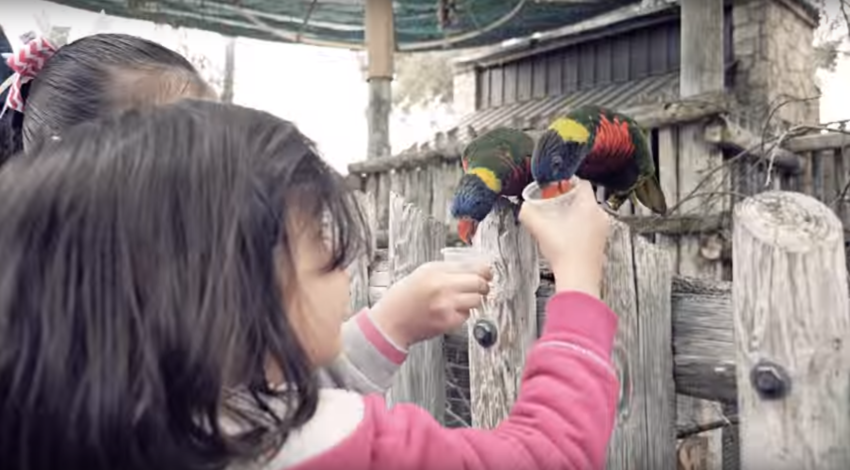
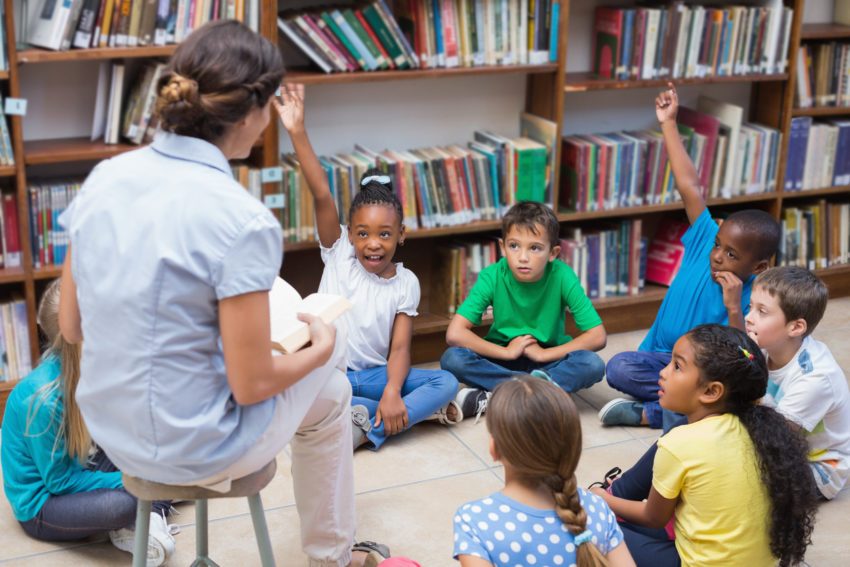
Imagine you're 4 years old. How would you feel going to preschool with crocodiles, elephants, and butterflies? What about learning letters while on nature walks? That childhood fantasy is reality for kids at the Will Smith Zoo School in San Antonio (68% Latino). The Zoo School, which opened in 2004 and became licensed in 2014 at the San Antonio Zoo, will expand its capacity from about 50 to more than 200 students in 2018 and become the largest nature-based preschool in the nation, SA Current reports. Zoo officials believe that learning can be as much of a serious hands-on experience as it is messy fun. "Children will spend time in nature exploring and discovering the wonders of nature," according to the Zoo School Parent Handbook. "Basic preschool concepts will be ...
U.S. Latino, black, and American Indian children have bigger obstacles to success than white and Asian children, according to a new report. The report, the Race for Results from the Annie E. Casey Foundation, scores how children are progressing on 12 key milestones from birth to adulthood. Milestones include math proficiency, graduation data, teen birth rates, employment prospects, poverty, and more. The higher the score (0-1,000), the better children fare. Latinos' actually increased to a score of 429 in 2017 from 404 in this same report from 2014. Yet this score is well below Asian (783) and white children (704), slightly ahead of African-America (369) and American Indian (413) children, and remains a "cause for deep concern," according to the report. "We will lose a ...
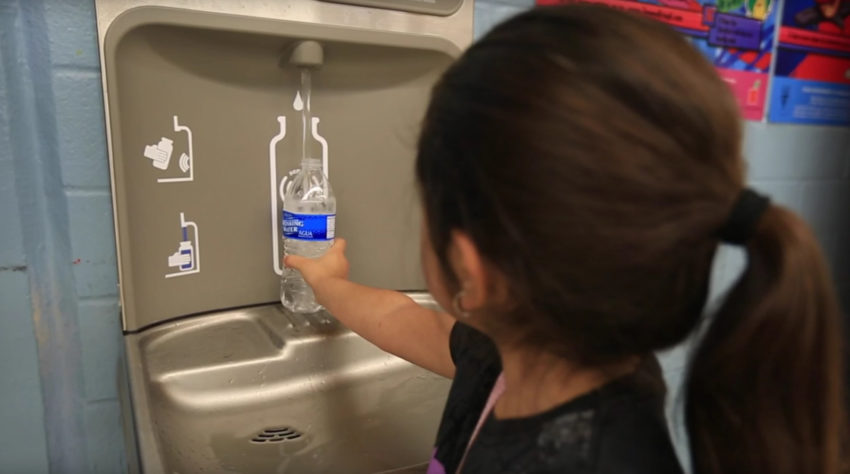
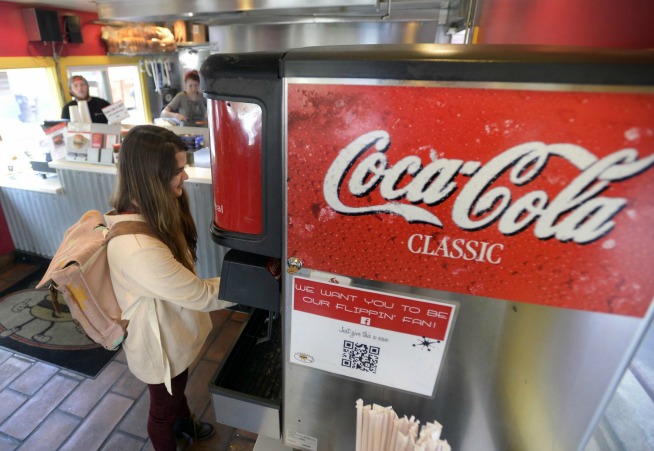
Many American kids eat two out of three meals at school. Schools must offer healthy food and drinks, especially for Latino students who are more likely than their peers to face an unhealthy weight, unhealthy neighborhood food options, and unhealthy early development. That's why schools should offer plain water with meals—not milk. So says a new study by University of Illinois researcher Ruopeng An, which encouraged children to drink plain water with their school lunches. This simple switch from milk to water at school could prevent more than a half-million kids from becoming overweight or obese, and trim the costs of obesity by more than $13 billion, An's study suggests. "The nutrition profile doesn't change much when people increase their plain-water intake, but we ...
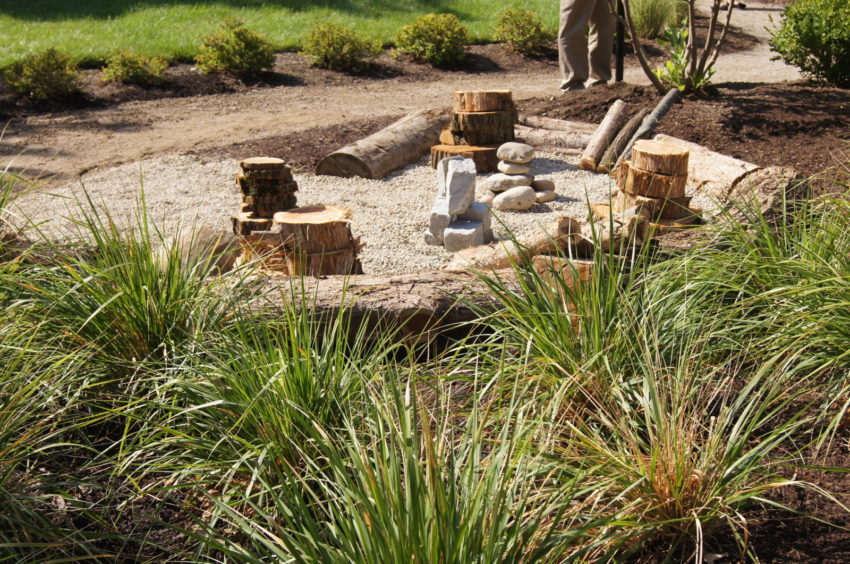
Texas (39.1% Latino population) is launching five Outdoor Learning Environment demonstration sites across the state, three of which are at early childcare centers. This is great news for many Latino students across the state. Currently, children today can spend 8-10 hours a day in childcare. However, like many Latino-majority schools, childcare facilities offer less time for kids to play and be active. As early as age four, Latino children face gaps in academic performance and disparities in obesity. Latino kids need safe places to play and be active to reduce obesity and boost academic achievement.
Naturalize Outdoor Playgrounds
Play – particularly play in nature – is critical for healthy child development. Nature supports creative problem solving, enhances cognitive ...
On Oct. 15, 2017, California Gov. Jerry Brown signed a law that bans schools from marketing unhealthy foods that are not allowed to be sold or served in schools. This law, Assembly Bill 841, also forbids schools from partnering with companies for programs that reward students with foods or drinks that do not meet USDA Smart Snacks in School regulations and other standards. The idea is to help students make healthier food choices. "This law will help ensure that students receive consistent messages from their schools about the importance of proper nutrition as well as reinforce parents’ efforts to help their children choose healthy foods," according to a report by Changelab Solutions. This will lead to "healthier students who are better able to thrive academically."
Latino ...
Salud America! Guest Blogger
Alliance for a Healthier Generation Alvord Unified School District (64% Latino) is giving students more opportunities to get active and eat healthier in Riverside, Calif. Now they're getting national recognition for their health and wellness efforts. Eight of Alvord Unified's schools earned a place on the 2017 list of America’s Healthiest Schools by the Alliance for a Healthier Generation. Wells Middle School earned the highest level of recognition. How’d they do it? They got support from district leaders, parents, teachers, and the entire community. “We were able to provide parent education courses with topics that included the importance of breakfast, meal planning, understanding food labels, saving money on food and healthy ...
Rosalie Aguilar grew up watching her grandfather in his water treatment lab, purging pollutants to produce cleaner drinking water in Mexico. Her grandmother helped Latino reporters cover World War II stories. Aguilar’s successful grandparents gave her a desire to make a big difference to give Latinos a better chance to live a healthy, disease-free life. She’s doing just that as Project Coordinator of Salud America! at UT Health San Antonio, a national program that creates content to inspire people to drive community change for the health of Latino and all kids. “My childhood experiences have led me to a career trying to help others and improve the health of Latino children and families,” Aguilar said. “That is what motivates me.” Aguilar first joined Dr. Amelie ...
This is part of our Building Support for Latino Families: A Research Review »
The Concept of Schools as Health Centers
Development of school-based health centers (SBHCs) that provide comprehensive care for students, and sometimes their families, has provided a solution for another important barrier to preventive and whole-self health care: access.21,116,127 Maintaining regular well visits and acute care without missing school or work is a challenge in low-income communities, making health care impossible for some students and families.127 The American Academy of Pediatrics has stated that a “medical home” is the ideal form of health care delivery for children and adolescents, and SBHCs strive to meet the AAP definition of a medical home: a system of care that is ...
This is part of our Building Support for Latino Families: A Research Review »
Latinos Kids Face a Big Gap in Early Cognitive Development
The socioeconomic gap in academic performance has been demonstrated repeatedly, with children from low-income households exhibiting deficits in school readiness and social development upon entering kindergarten. Several studies have shown that early educational gaps are maintained, and can even grow, for children from high-risk communities.12,15,23–26 Risk factors including poverty, low parental education, limited English proficiency, and single-parent homes, many of which are disproportionately present in Latino communities, put Latino children at a disadvantage for cognitive development relative to their non-Hispanic peers.27–30 In ...