Public health advocates talk about health in an “upstream-downstream” fashion. They want to highlight the importance of health promotion and the influence of social, economic, environmental and cultural factors on health equity for Latino and other people of color. It is a parable: A man and a woman were fishing on the river bank when they saw a woman struggling in the current. They rescued her. Soon, they saw a man struggling. They rescued him, too. This continued all afternoon. Finally, the exhausted pair decided to go upstream to find out where and why so many people were falling in. They discovered a beautiful overlook along the river’s edge without any warning signs or protective barriers. The couple went to community leaders to report the number of victims they had ...
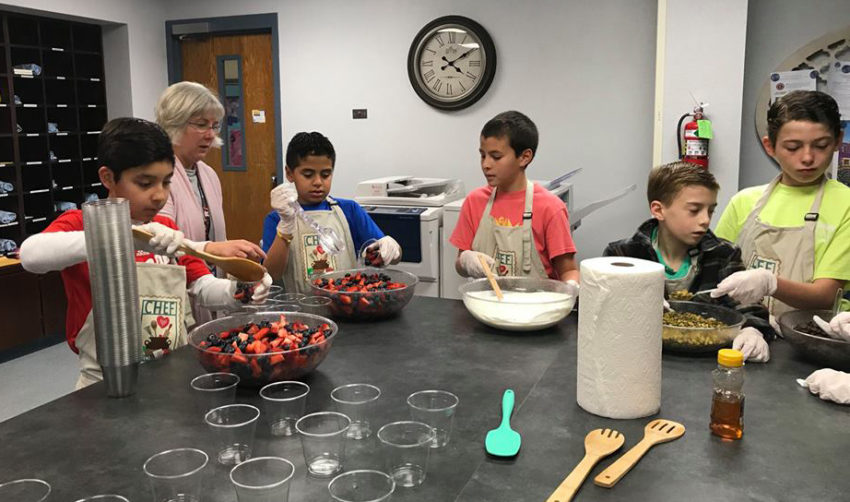
Unhealthy food contributes to disease, especially in Latino families who lack access to healthy foods and nutrition education. Healthy food, on the other hand, is medicine. That's the belief of the Culinary Health Education for Families (CHEF) program in San Antonio (63% Latino). CHEF teaches children and families basic nutrition and practical cooking skills. The long-term goal is to motivate individuals and communities to adopt and sustain healthier eating and wellness habits. “[We want to] make sure that every family, regardless of income level, or education level, can put a healthy, nutritious, familiar meal on the table that’s better for them perhaps than what was there before," said Suzanne Mead Feldmann of the Goldsbury Foundation, a group behind CHEF. CHEF now ...
Dr. Heyman Oo treated a lot of traumatized child immigrants while a pediatric resident at Zuckerberg San Francisco General Hospital and now as pediatrician at a California clinic system. Oo knows these kids often face extreme poverty before immigration. After, they face parental separation, detention, and discrimination. No wonder they also suffer stress, depression, and other mental health issues, and are at risk for dropping out of school and absenteeism, according to a Salud America! research review. Oo wanted to help. She joined a task force designed to support children amid a growing number of unaccompanied minors being apprehended at the California border, which led to a big change.
Unaccompanied Minors In 2014, more than 68,000 unaccompanied immigrant minors were ...
40 million low-income people across the U.S. are in danger of losing a critical lifeline as federal funding for SNAP, commonly known as the food stamp program, hangs in the balance. But just who are these families? What would losing benefits mean? Two new research reports provide an answer.
SNAP & Families
SNAP provides temporary support to help people and families afford food. It is the nation’s largest nutrition assistance program, with $70 billion in funding in fiscal-year 2017. Latinos comprise more than 20% of SNAP participants. But 1 in 11 households who receive SNAP benefits would no longer be eligible under a revised House Farm Bill, according to data from Mathematica Policy Research cited by the recent State of Obesity report from Trust for America's Health ...
Want to help help Latino and all kids achieve good health? Check out new research that identifies several key ways to reduce sugary drink consumption among children ages 0-5. The research, published in July 2018 in the journal Obesity Reviews by Healthy Eating Research, analyzed 27 studies that assessed an intervention to decrease sugary drink consumption is high-income countries. "Overall, evidence suggests that interventions successful at reducing SSB consumption among 0- to 5-year-olds often focused on vulnerable populations, were conducted in preschool/daycare settings, specifically targeted only SSBs or only oral hygiene, included multiple intervention strategies, and had higher intervention intensity/contact time," according to the research.
Strategy Suggestions From The ...
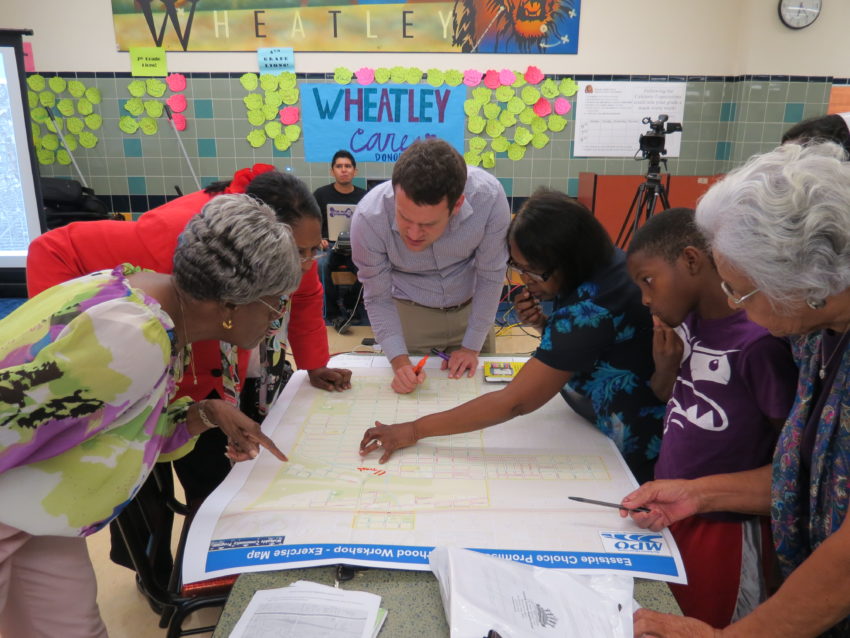
A new action-oriented guide is available to foster collaboration between the health sector and the organizations working to improve the conditions of poverty, known as the community development sector. Collaboration among these sectors is critical because more than 80% of the nearly $3.5 trillion spent on medical care each year in the U.S. is spent on treating chronic diseases, most of which are preventable and related to the conditions of poverty. Latinos and low-income populations are disproportionately burdened by the conditions of poverty, thus face higher rates of chronic disease.
Conditions of Poverty
Health is not created in a doctor’s office, it is created in healthy, equitable, and prosperous communities. However, not all communities were created equal. Some have ...
Teens need 60 minutes every day of moderate to vigorous intensity physical activity to reduce their risk of heart disease, cancer, and diabetes. Yet only one in four high school students (26.1%) met this recommendation, according to new CDC data. And the rates of physical activity were often worse among Latinos. Why? What can we do?
The Data
High school students in the U.S. are not on a good health trajectory, according to CDC’s new Youth Risk Behavior Survey released on June 15, 2018. The survey is part of the CDC’s Youth Risk Behavior Surveillance System. The system monitors health-related behaviors, usually developed in childhood and early adolescence. These behaviors contribute to the leading causes of early death among youth and adults in the United States. Today ...
A few years ago, Salud America! found that Latino students are exposed to more unhealthy food in and out of school than their peers. This contributed to poor nutrition and high rates of obesity. Sadly, that situation still exists today. Latino high-school students eat fewer fruits and vegetables and don't eat breakfast daily as much as some of their peers, according to new data released in June 2018 from the CDC's 2017 Youth Risk Behavior Survey.
The Data
The CDC's Youth Risk Behavior Surveillance System monitors health-related behaviors. These behaviors usually develop during childhood and early adolescence and contribute to the leading causes of death and disability as well as social problems among youth and adults in the United States. The CDC Youth Risk Behavior Survey is ...
Harvard researchers found a small but significant increase in the weekly consumption of high-carbohydrate sports drinks among teens, especially Latino teens, the Chicago Tribune reports. Researchers compared data from two national surveys in 2010 and 2015. In 2015, more than 57% of the more than 22,000 high school students surveyed reported drinking at least one sports drink in the prior week. That's up from 56% in 2010, according to the Tribune. Latino and black youth drank more sports drinks than white youth, too. This is bad news, especially after historic declines in children's consumption of sugary drinks overall. "[Sports] drinks shown in advertisements being consumed by impossibly fit athletes and named for fruits like mango, kiwi, and blackberry are aggressively ...